You’ll Never Guess the Original Names of These 5 Iconic Fast Food Chains
Brand names can feel permanent once they settle into the culture, but some familiar chains started with titles that sound nothing like the ones glowing on signs today. Early names ranged from practical choices to quick solutions that served their purpose until something stronger came along. The stories behind them reveal the trial-and-error stage even the biggest restaurants had to pass through, which makes their early identities even more interesting once you see how far they’ve come.
The Dwarf Grill Era Of Chick-fil-A
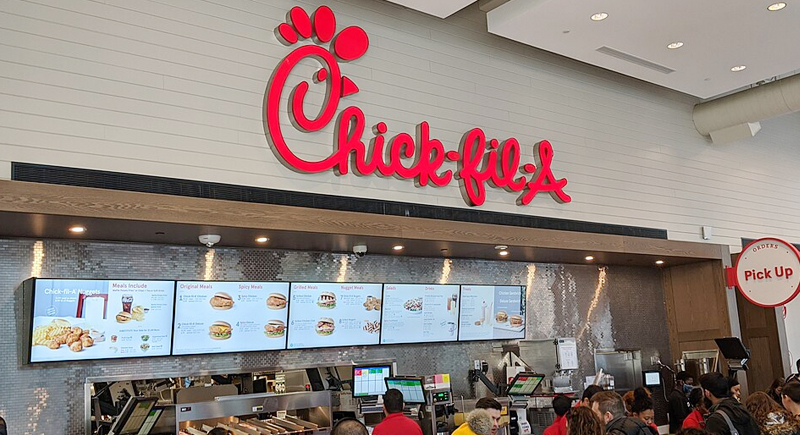
Image via Wikimedia Commons/Sikander Iqbal
Long before the chain became known for its chicken sandwich, its story began with a small Georgia diner called The Dwarf Grill. Truett Cathy opened the spot in 1946, later switching to The Dwarf House as the concept grew. Customers visited for burgers, steaks, and house specials, all served in a compact space that captured local routines.
Over time, one menu item outperformed the rest and nudged the company toward its future direction. As the chicken sandwich gained traction, the shorter Chick-fil-A name better aligned with that focus. A few Dwarf House locations still operate today with expanded menus and table service, offering a glimpse into the chain’s earliest identity.
Dunkin’s First Attempt
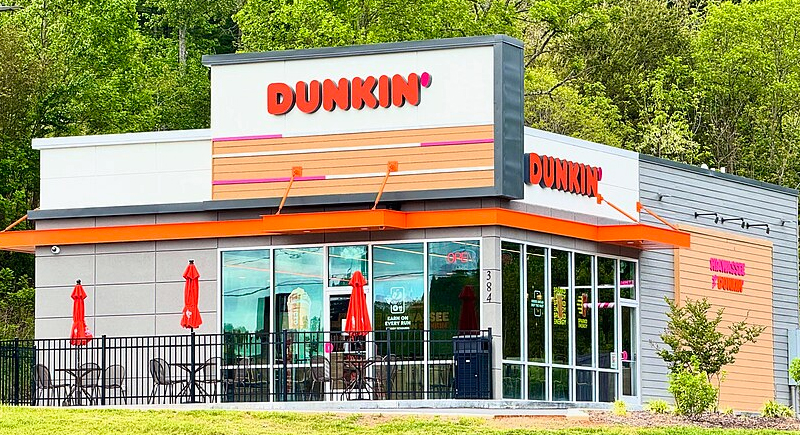
Image via Wikimedia Commons/Harrison Keely
Open Kettle was Dunkin’s original name when the shop debuted in Quincy, Massachusetts in 1948. Coffee and doughnuts already gained traction with customers, yet the owner believed a stronger name could highlight what kept people coming back. Dunkin’ Donuts replaced the initial title two years later, and the updated branding matched the growing popularity of its staple items.
Decades later, the chain broadened its offerings and leaned into beverages, which eventually led to the simplified name Dunkin’. While the earliest version feels distant now, it marked the starting point of a brand built around morning routines.
Domino’s And The Three Dots
Back in 1960, the Monaghan brothers bought a single pizza shop in Michigan called DomiNick’s. Naming rights stayed with the previous owner, prompting the brothers to adopt a new identity as they expanded. Domino’s became the winning choice, giving the business a distinct name that supported its growth plans.
Those first three stores inspire the trio of dots still featured on the logo today. Once the chain scaled across the country and then the world, adding more dots stopped making sense, yet the original design stayed in place and became part of the brand’s history.
Subway’s Original Long Name
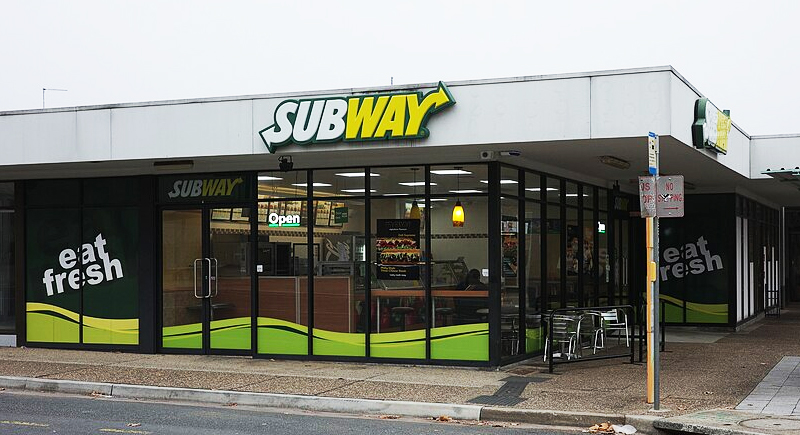
Image via Wikimedia Commons/Nick-D
Pete’s Super Submarines opened its doors in Bridgeport, Connecticut, in 1965 with a mouthful of a name. It captured the menu well but didn’t suit larger ambitions. A short transition phase introduced Pete’s Subway, and by 1972, the company finalized its name as Subway, a cleaner fit as it pursued franchising.
Rapid expansion followed with new stores opening across the map, and the menu evolved. The original title now reads like something from a small neighborhood storefront, but it kicked off an idea that later became a global chain.
The Insta-Burger King Beginning
Jacksonville diners in 1954 found burgers cooked on Insta-Broiler machines at a restaurant called Insta-Burger King. Founders Keith Cramer and Matthew Burns leaned heavily on the equipment that defined their service style, which made the name feel appropriate for the time. A few years later, James McLamore and David Edgerton acquired the business and trimmed the name to Burger King.
Shorter branding helped support broader marketing and franchising efforts. Insta-Burger King remains an interesting snapshot of the chain’s early phase, especially for anyone curious about how far the name has traveled.