You Won’t Recognize the Original Formula for Gatorade From the 1960s
Today, Gatorade is instantly recognizable. Its neon colors, fruit-forward flavors, and long ingredient labels have made it a staple of locker rooms, convenience stores, and televised sporting events. However, if you traveled back to the mid-1960s and took a sip of the very first version, you would struggle to believe it was the same product.
The original Gatorade was not designed to taste good, look appealing, or sell to the public. It was a rough, medically driven solution created to solve a very specific problem, and its formula would feel completely unfamiliar by modern standards.
The Drink Was Never Meant to Be a Beverage
In 1965, at the University of Florida, assistant football coach Dwayne Douglas raised a concern to kidney specialist Robert Cade. Football players were losing dramatic amounts of weight during practices and games, yet they barely urinated at all.
At the time, athletes were often discouraged from drinking fluids during play. Many coaches believed water caused cramps or slowed players down. In Florida’s heat, that belief proved dangerous. Cade and his research team determined that players were sweating out massive quantities of fluid, sodium, and energy, which left their bodies severely depleted.
The objective of Gatorade was to replace what the body was losing so players could function safely and effectively.
What Was Actually in the First Gatorade
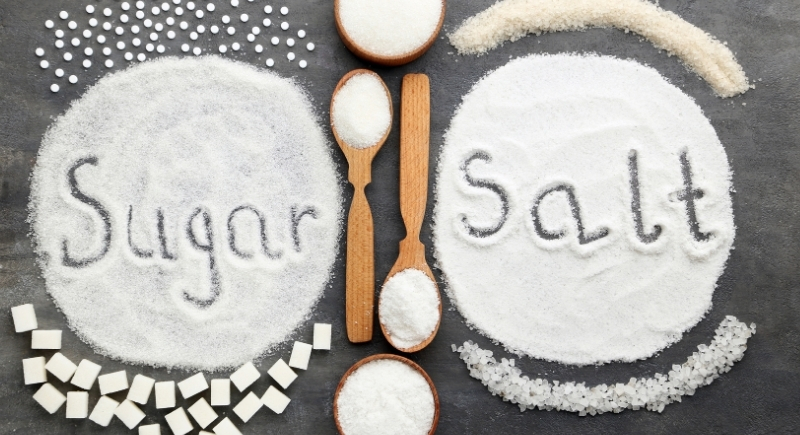
Image via Getty Images/5second
The earliest version of Gatorade contained only the essentials. Water served as the base. Sugar was included to restore energy. Salt replaced sodium lost through sweat, and potassium helped rebalance electrolytes. There were no dyes, preservatives, or engineered flavor systems.
By the scientists’ own accounts, the first batches were nearly unbearable to drink. Most of the researchers spat them out immediately. Cade swallowed a mouthful and vomited. The mixture was frequently described as tasting like artificial sweat.
How Lemon Juice Changed Everything
The breakthrough came from outside the lab. Cade’s wife suggested adding lemon juice to make the mixture tolerable enough for players to drink in sufficient amounts. Once lemon juice was added, athletes began drinking the solution consistently, and the results were immediate.
Freshman players given the drink showed noticeable improvements compared to teammates who were not. Varsity players soon followed. In extreme heat, Florida began finishing games stronger while opponents faded. Coaches took notice, and interest spread quickly through college football.
From Basement Experiment to Bottled Product
Even after its on-field success, Gatorade was not envisioned as a consumer product. Early batches were mixed in small quantities using lab equipment, scavenged supplies, and hand-squeezed lemons. Commercialization only began after executives at Stokely-Van Camp saw its potential.
Once the drink began to move toward national distribution, the formula started to change. Sweetness levels were adjusted. Flavors were refined. Packaging shifted from problematic metal cans to glass bottles. Shelf life, consistency, and broad consumer acceptance became priorities for the first time.
By the time Gatorade appeared in stores in the late 1960s, it had already moved away from Cade’s original mixture. The version sold today is several iterations further removed from the original.
How Different It Is From Modern Gatorade
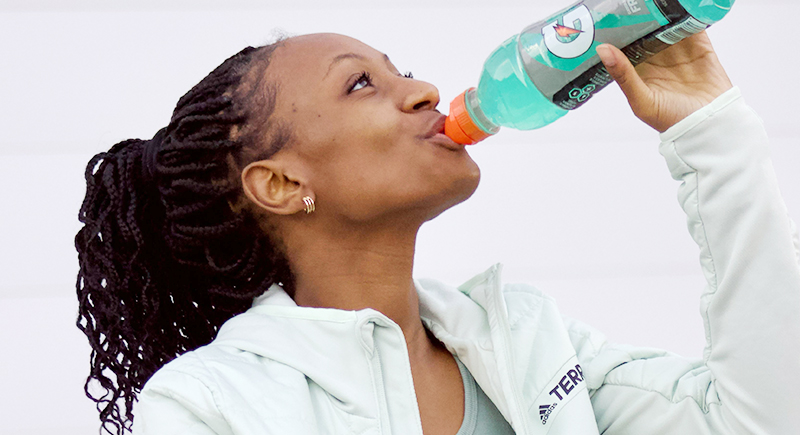
Image via Pexels/BETTY
Modern Gatorade is carefully engineered to balance hydration science with taste, branding, and mass appeal. It contains multiple types of sugars, flavorings, acids, stabilizers, and food coloring, all designed to create a familiar, consistent experience.
The original drink had none of those considerations. It was cloudy, salty, sour, and harsh. It was built for elite athletes training in punishing conditions. The idea that people might drink it recreationally would have seemed unlikely to its inventors.
Even Gatorade’s own scientists have noted that early formulations placed a heavier emphasis on electrolyte replacement than sweetness.