You Won’t Believe These Futuristic Foods Are Actually Served in Restaurants
It’s 2026, and restaurants are catching up with the new age. Some restaurants serve foods developed through cell cultivation, molecular engineering, and advanced food manufacturing. Health agencies have approved several of these products for commercial sale, and chefs now incorporate them into their regular service.
Lab-Grown Chicken
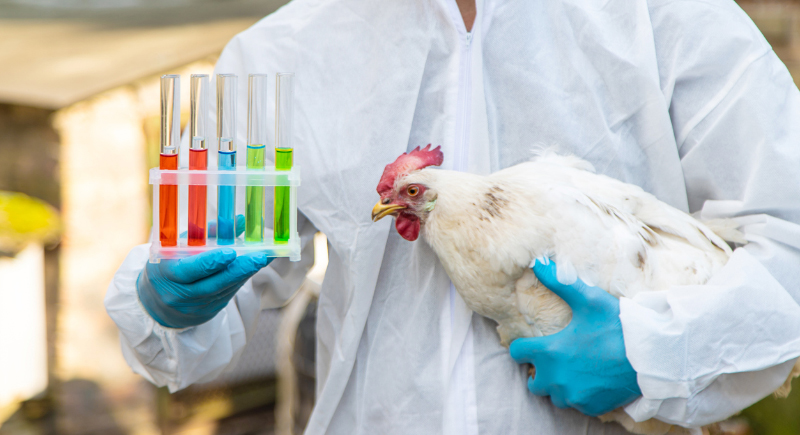
Image via iStockphoto/Yana Tatevosian
Cultivated chicken is available in restaurants where regulations permit it, most notably in Singapore. Chefs serve it as nuggets or minced meat rather than dramatic centerpieces. The goal is to serve a familiar flavor and texture, but with a different production method. Research from Oxford University indicates that cultivated meat can reduce land use by up to 99% compared to conventional livestock.
Plant-Based Meat Built With Molecular Techniques
This category moves beyond veggie burgers shaped like beef. Chefs use plant proteins engineered to deliver structure and texture without directly mimicking meat. Restaurants treat these dishes as their own category, often pairing them with vegetables instead of hiding them under sauces.
Mycelium Steaks
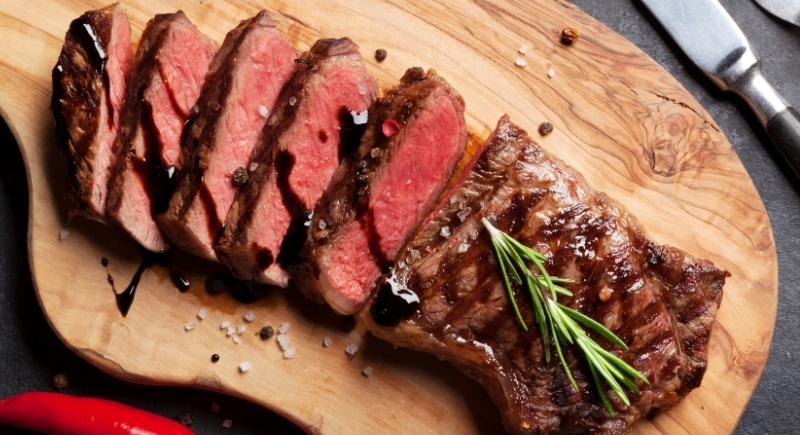
Image via Getty Images/Karandaev
Mycelium, the underground structure of fungi, grows quickly and forms dense fibers. Kitchens use it to create cutlets and steak-style portions that sear well and hold shape. The flavor is savory, so chefs rely on it for mains rather than sides. It also requires far less water and land than animal protein.
Algae-Based Noodles
Algae noodles are most commonly found in modern Asian and tasting-menu kitchens. They cook quickly, absorb flavors easily, and deliver a natural umami. Some algae varieties contain up to 70 percent protein by dry weight, along with omega-3 fatty acids.
3D-Printed Desserts
Restaurants utilize food printers to produce desserts with precise texture and structure. Chocolate, sugar, and plant-based pastes can be printed into shapes that handwork cannot replicate. The precision allows chefs to manage melt, crunch, and layering.
Glow-In-The-Dark Cocktails

Image via iStockphoto/Zeferli
Some bars serve cocktails that glow under specific lighting using food-safe compounds or fluorescence. The drinks themselves are usually citrus-forward or lightly sweet. The glow adds visual interest without turning the drink into a novelty stunt.
Edible Packaging
Rice bowls, wheat-bran cutlery, and algae-based water pods already appear in casual dining and event catering. Studies on plastic pollution show microplastics now appear in human bodies, which explains the push toward packaging that disappears after use. Restaurants benefit from this by reducing waste.
Plant-Based Shrimp and Fish
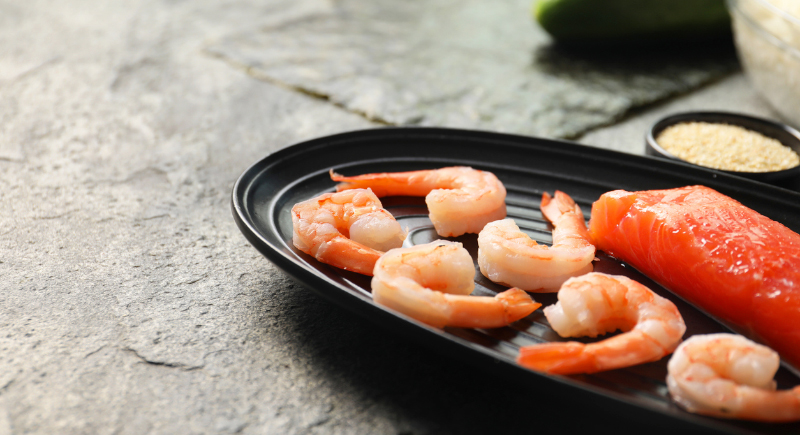
Image via iStockphoto/Liudmila Chernetska
Chefs serve shrimp, fish fillets, and crab-style cakes built from plant proteins and algae. These dishes reduce pressure on overfished stocks while keeping familiar textures. Algae-based seafood also provides EPA and DHA omega-3s, nutrients commonly found in fish.
Algae-Based Gels and Foams
Modern kitchens utilize algae-derived gels to regulate texture and control the release of flavor. These components are commonly found in sauces, desserts, and plated vegetables. The ingredient works in the background, which helps explain its growing presence on menus.
Precision-Fermented Dairy Proteins
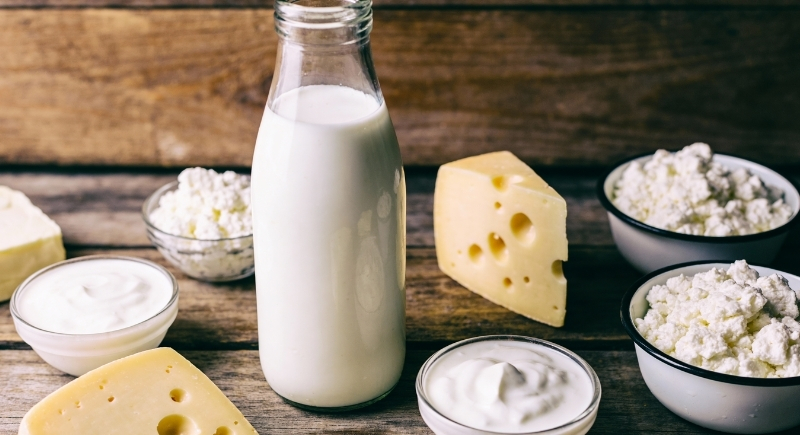
Image via Canva/Arah
Some restaurants now serve cheese, ice cream, and desserts made with dairy proteins produced through precision fermentation. This process utilizes microorganisms to produce whey and casein without the use of cows. The proteins are chemically identical to those found in traditional milk, which allows them to melt, stretch, and taste the same as regular dairy. Food authorities in the United States have approved several of them for commercial use.