You Won’t Believe How These Common Foods Were Invented
The foods we eat every day often have complicated backstories. Recipes like chocolate and French fries evolved through migration, colonial trade, experimentation, and sometimes pure accident. Many dishes people think of as ancient are actually much more recent, shaped by multiple countries long before one claimed them as part of its national identity.
Pizza Became Italian Long After Flatbread Existed
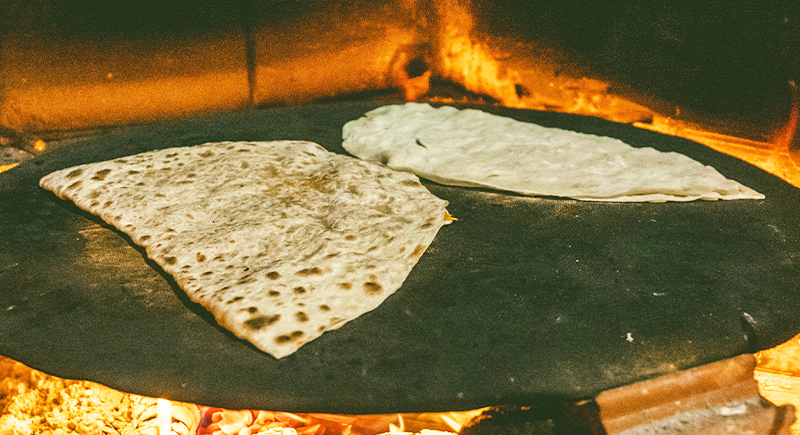
Image via Pexels/Kadir Altıntaş
Flatbread dates back at least to ancient Egypt around 2200 B.C., where people baked early bread and added toppings. Variations later appeared across Greece, Turkey, and the Mediterranean. What changed everything was the tomato, which originated in present-day Mexico and Peru and arrived in Europe during the 1500s through colonization trade routes.
Italy eventually turned tomato-topped flatbread into what people recognize today. Pizza Margherita originated in Naples in the 1880s and is often associated with Queen Margherita. Italian immigrants carried pizza to the United States during the late 19th century, which then helped create New York-style pizza. Although pizza feels deeply Italian today, it has been shaped by people from multiple continents.
Chocolate Started As Currency
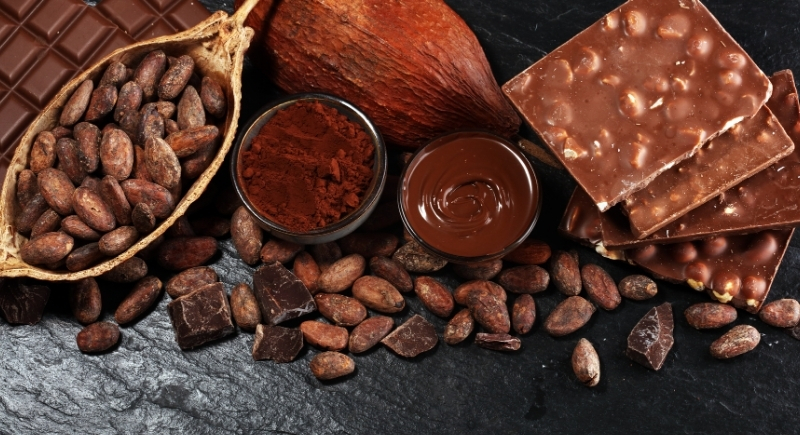
Image via Getty Images/beats3
Cacao use dates back to Maya territories around 400 CE in parts of modern Mexico and Guatemala. Early chocolate was a bitter drink made through fermenting, roasting, and grinding cacao beans. The Maya and later Aztecs treated cacao as sacred and even used beans as currency.
The major turning point came in 1528, when Hernán Cortés brought cacao beans and preparation methods to Spain. Europeans replaced chili and spices with cane sugar to make chocolate sweeter and more widely accepted. Chocolate reached the French royal court in 1615 through Anne of Austria. Industrial growth accelerated after 1780, when Barcelona opened one of the first chocolate factories. By 1836, early chocolate bars appeared in France, which pushed chocolate toward mass consumption.
Sushi Evolved Through Preservation Science
The earliest sushi concept originated in Southeast Asia as a method for preserving fish using fermented rice. Records show sushi appearing in Japan by the eighth century A.D., though the idea likely started earlier in China around the sixth century.
Early sushi involved fermenting fish for up to a year. Japanese cooks later shortened preparation time after the 14th century by using rice vinegar. The fast, fresh sushi we know today emerged much later, and even modern variations carry global fingerprints. Portuguese traders introduced frying techniques that later influenced Japanese tempura during the 16th century.
French Fries Likely Started In Belgium, Not France

Image via Getty Images/Photography By Tonelson
Many historians trace the origin of fried potato strips to Belgium during the 1600s. One story links them to villagers who normally fried small fish but switched to sliced potatoes when rivers froze during winter. The “French” label likely gained popularity during World War I when American soldiers tasted fries in French-speaking parts of Belgium.
Another naming theory connects to Thomas Jefferson’s French chef, who served potatoes prepared “in the French manner.” Regardless of naming debates, Belgium holds strong historical claims to having invented the cooking method first.
Sandwiches Started As a Convenience Hack
The sandwich gained its name through John Montagu, the 4th Earl of Sandwich, during the 1700s. Historical accounts describe Montagu requesting meat between bread slices so meals would not interrupt gambling sessions or desk work.
Eating bread with fillings existed long before Montagu. His role was to brand the idea as something repeatable and socially fashionable. The name stuck because others began ordering “the same as Sandwich.”