You Are Literally Addicted to Cheese, According to This Brain Study
An extensive study involving about 500 college students examined food cravings and reward responses. The foods that ranked highest shared one trait: they were heavy on cheese. Pizza led the list, followed closely by other cheese-forward options. Researchers linked those cravings to activity in brain regions associated with reward and reinforcement, the same circuits tied to substance dependence. The brain treats certain foods as repeat-worthy, and cheese appears to sit high on that list.
Why Cheese Hits Harder Than Other Foods
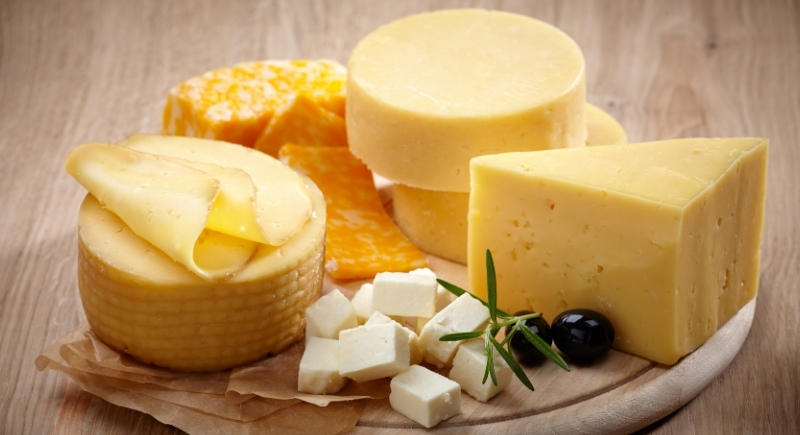
Image via Getty Images/Magone
The secret is in the dairy protein. Cheese contains casein, which breaks down during digestion into compounds called casomorphins. These compounds bind to opioid receptors in the brain and stimulate the release of dopamine. Dopamine reinforces behavior and encourages repetition. That process explains why one bite often leads to several more.
Cheesemaking intensifies the effect. Producing one pound of cheese requires roughly ten pounds of milk, which concentrates casein. Solid cheeses carry a stronger punch than liquid dairy.
Cravings Are Not a Willpower Problem
Addictive eating patterns tend to cluster around processed, high-fat foods. In controlled surveys, participants reported a greater loss of control around these foods compared to simpler options. Cheese fits neatly into that pattern. It activates reward pathways quickly and efficiently.
This helps explain why cutting back is often harder than expected. The brain does not treat cheese like vegetables or grains. It treats cheese like something worth chasing. Researchers studying eating behavior have suggested that strategies used for smoking or alcohol reduction may work better than simple moderation advice.
Consumption Trends Add Context
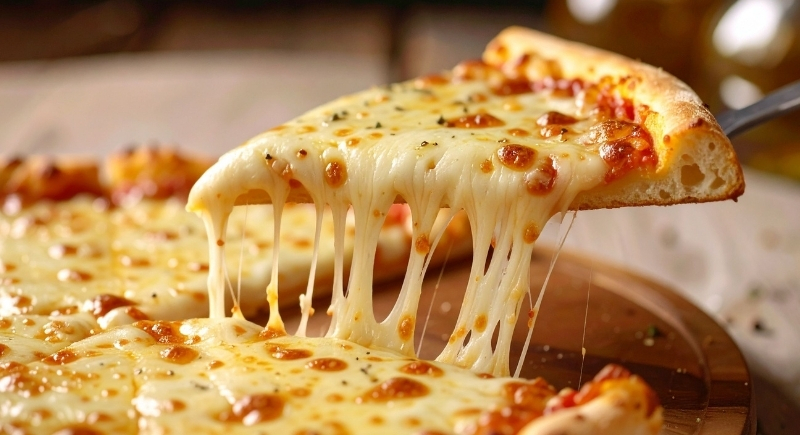
Image via Canva/Truecreatives
Cheese intake in the United States has climbed steadily over several decades. Federal nutrition data show a clear rise since the 1970s, with per-capita consumption roughly doubling by the late 2010s. Mozzarella and cheddar dominate the totals. The timing overlaps closely with shifts toward highly processed diets and larger portion sizes. These numbers do not prove cause, but they add weight to the brain research. Increased exposure leads to increased reinforcement. The cycle feeds itself.
The Science Is Real, Not the Panic
Cheese does not act like heroin or cocaine in strength or danger. The effect is mild, and it also provides protein, calcium, and fat that support a balanced diet. Lab research even suggests potential benefits associated with dairy peptides, although that work remains limited.
The key point is awareness. Understanding why cheese feels hard to resist reframes the conversation. Cravings make more sense when biology comes into play. The pull comes less about discipline and more about a built-in feedback loop.