Would You Pay $680 for a Single Cup of Coffee? Dubai Thinks You Will
In 2025, a cup brewed from rare Panama Gesha beans earned a Guinness World Records title as the most expensive coffee ever sold. The price reflected a broader shift in specialty coffee, where scarcity, verified quality, and prestige now push prices far beyond what once seemed reasonable.
Auction platforms, such as Best of Panama, have already normalized extreme pricing, with micro-lots selling for sums comparable to those of fine wine. Earlier this year, a washed Gesha fetched more than $30,000 per kilogram. The Dubai record simply brought that luxury tier into public view.
Why Dubai Makes Sense For This Record
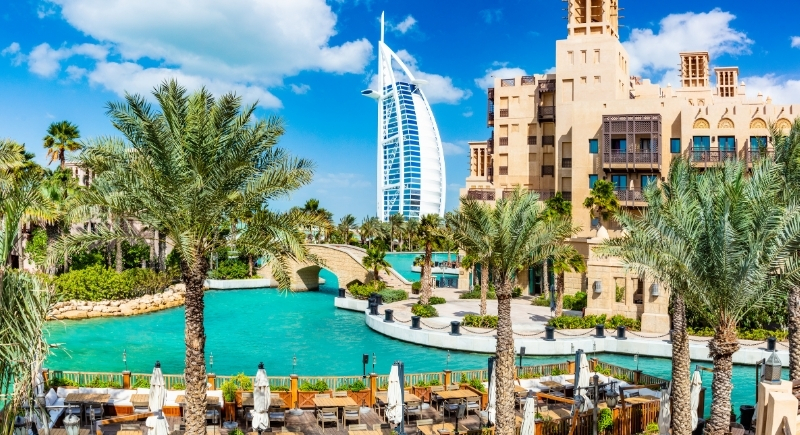
Image via Canva/Michal_Bednarek
Luxury retail thrives in Dubai because exclusivity is highly valued in competitive markets. High disposable income, a strong dining culture, and a constant influx of global travelers create the ideal conditions for extreme pricing to thrive.
Ultra-rare coffees serve a strategic role in that environment. They attract attention, elevate brand positioning, and signal expertise without needing mass sales. Cafes use these items to stand apart, even if only a handful of cups reach paying customers.
Corporate hosting also plays a role. High-end dining often doubles as client entertainment, and rare food items carry weight in that setting. Coffee joins wine, whiskey, and tasting menus as part of that playbook.
The Beans Doing The Heavy Lifting
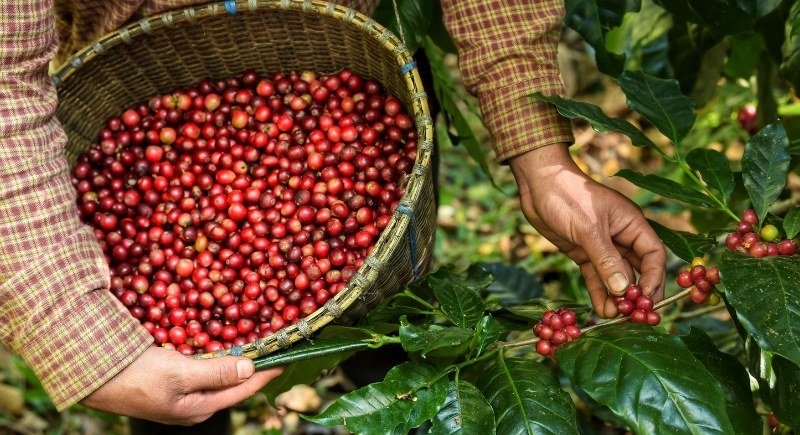
Image via Getty Images/nimon_t
The record-holding cup utilizes Panama Gesha beans grown in the Boquete Valley at elevations ranging from 1,200 to 1,800 meters. This variety originates from Ethiopia and thrives in Panama’s volcanic soil. Auction judges regularly score top lots above 95 points.
Development timelines add to the scarcity. Some award-winning plots take more than a decade to mature. Production stays limited by design, which keeps availability tight and prices high. These coffees cannot scale without losing the traits that justify their cost. Brewing matters too. The record cup used a hand-brewed V60 method, paired with a presentation designed to match the price tag. The experience is intentional, controlled, and reserved.
Who Actually Buys A Cup Like This

Image via iStockphoto/miodrag ignjatovic
The buyer pool remains small and predictable. Ultra-wealthy consumers treat the purchase as a novelty, status confirmation, or both. Social sharing amplifies the value beyond the cup itself.
Luxury cafes also see interest among enthusiasts who value proximity to rare products. In some cases, small groups split the cost to sample a single brew. The behavior shows curiosity more than purchasing power, yet it still feeds demand. The psychological layer matters. High prices suggest value, exclusivity, and expertise. Those signals hold power even when alternatives offer similar sensory quality at a fraction of the cost.
What This Means For Coffee Going Forward
Record-breaking prices do not represent the broader coffee economy. Most producers still struggle with rising costs and tight margins. Auction pricing operates in a separate lane, driven by prestige rather than volume. Still, these moments shape perception. They push coffee into conversations once reserved for luxury goods. They also influence how brands frame quality and rarity.
Climate pressure adds another variable. Scarcity may increase as growing conditions become more stringent. Demand continues to rise across global markets. These forces point toward more headline-grabbing prices ahead, even if only a few cups are ever priced this way. Dubai did not invent luxury coffee, but it recognized the moment faster than most. The question is not who needs a $680 cup, but how many people want to say they tried one.