15 of the Worst Moments From the 80s Only Boomers Will Remember
The 1980s introduced cable television, affordable home video, and personal electronics to millions of households. It also saw explosive growth in pop culture trends, fashion experiments, and consumer products. But boomers say that it wasn’t all pleasant.
Here are some examples that reflect where culture, technology, and public opinion went wrong—or at least took a strange detour.
New Coke Failed Faster Than Anyone Expected

Credit: Wikimedia Commons
In 1985, Coca-Cola decided to replace its classic formula with something sweeter. Executives believed customers would prefer a taste closer to Pepsi. However, they miscalculated. Fans of the original felt betrayed and voiced their frustration loudly. After 79 days, Coca-Cola brought back the original formula under the name “Coca-Cola Classic.”
Switching TV Channels Took Actual Effort
Credit: flickr
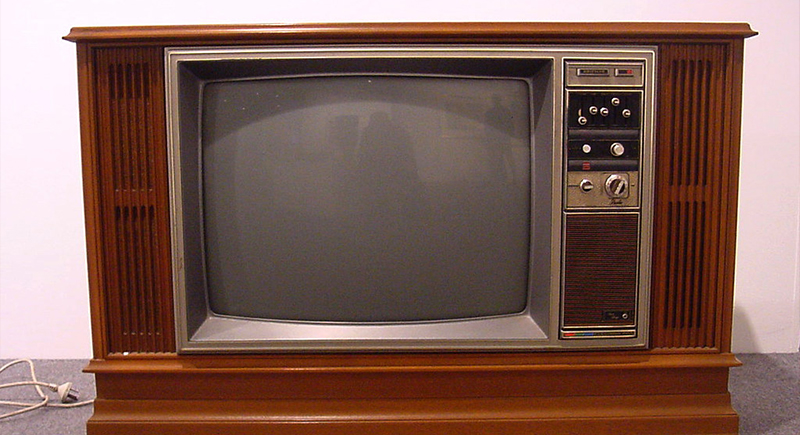
Before remote controls were widely available, changing the channel meant standing up and walking to the television. Sets had round dials that clicked through limited options. If the knob broke, people used pliers. Many Boomers remember being told to “go change the channel” by parents relaxing on the couch.
Parachute Pants Weren’t Built for Movement

Credit: flickr
Manufacturers designed parachute pants with nylon material and extra pockets. They were originally marketed for dancers, but teens and adults started wearing them everywhere. The pants made swishing noises when wearers walked and often stuck to chairs on warm days. Despite the discomfort, the look was quite popular.
Betamax Lost the Format War To VHS

Credit: Wikimedia Commons
Sony introduced Betamax before VHS, and early adopters appreciated the sharper picture. However, VHS tapes recorded for longer and cost less. Consumers and video rental stores leaned toward the more practical choice. Betamax users struggled to find movies to rent or new blank tapes.
Perms Didn’t Work Out for Most
Credit: Reddit
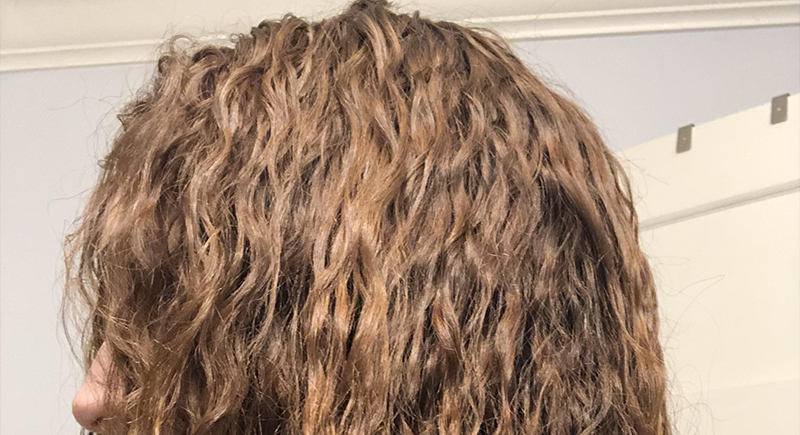
Getting a perm required hours in a salon and exposure to strong chemicals. Stylists wrapped sections of hair in rods and applied a solution meant to restructure the strands. While some left with shiny curls, others ended up with frizzy, uneven results. Even the smell clung to hair for days.
Mobile Phones Looked Like Military Equipment

Credit: flickr
Business professionals used mobile phones to impress clients. However, early versions were not quite what we see today. They didn’t fit in pockets and barely fit in briefcases. The devices weighed over two pounds and required large battery packs. Just making a call took effort, and signal strength was weak outside major cities.
Rubik’s Cube Became a Household Headache
Credit: Wikimedia Commons
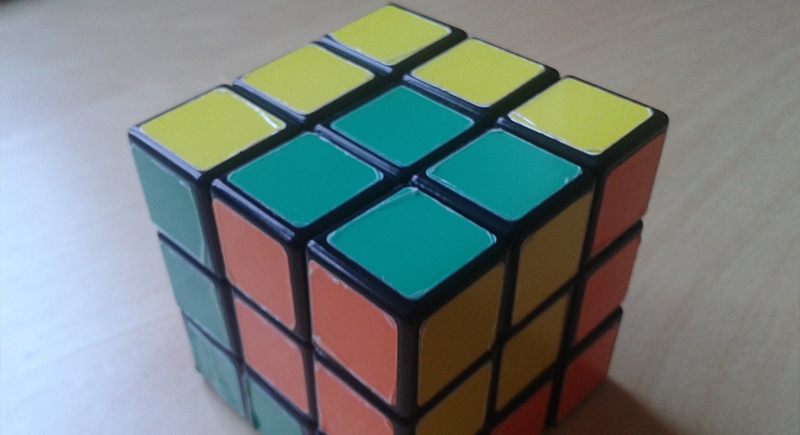
Invented in the 1970s and introduced in the U.S. in 1980, the Rubik’s Cube quickly sold millions. Solving it required spatial awareness and memory, which frustrated many users. Various individuals resorted to peeling off stickers or reassembling the cube incorrectly. In some cases, they gave up entirely and used it as decoration.
Shoulder Pads Took Fashion in The Wrong Direction
Credit: Wikimedia Commons
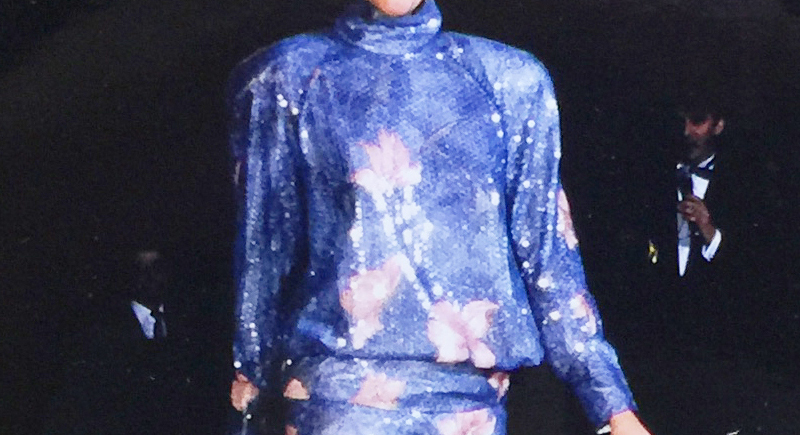
Designers started to push shoulder pads hard. These clothes aimed to create a powerful silhouette, especially for working women. But the look often made wearers appear stiff and bulky. Stores built shoulder pads into everything: blazers, blouses, dresses, even casual sweaters.
The Mullet Was Somehow Taken Seriously

Credit: flickr
Musicians like Billy Ray Cyrus and athletes such as Andre Agassi helped push the haircut into mainstream fashion. Salons offered it regularly and advertised the mullet as a low-maintenance option. Though critics mocked it later, it was everywhere—in sports, music videos, and schools—until its popularity faded by the early 1990s.
Jazzercise Grew into a Full-On Movement

Credit: Wikimedia Commons
While Jazzercise started in the late ’60s, it exploded in the ’80s thanks to VHS tapes and TV spots. The workout combined dance, aerobics, and plenty of sweat. People bought the outfits—spandex, leg warmers, high-cut leotards—and packed into gyms and rec centers with friend groups.
Cabbage Patch Kids Caused Retail Mayhem

Credit: flickr
These dolls arrived in 1983 and created one of the most intense toy crazes in U.S. history. Each came with a name and “adoption papers,” which gave them a sense of uniqueness. Stores couldn’t keep up with demand, and news outlets reported fights in aisles and people camping outside overnight. Some shoppers even paid huge markups from resellers.
Breakdancing Injuries Happened All Over the Place
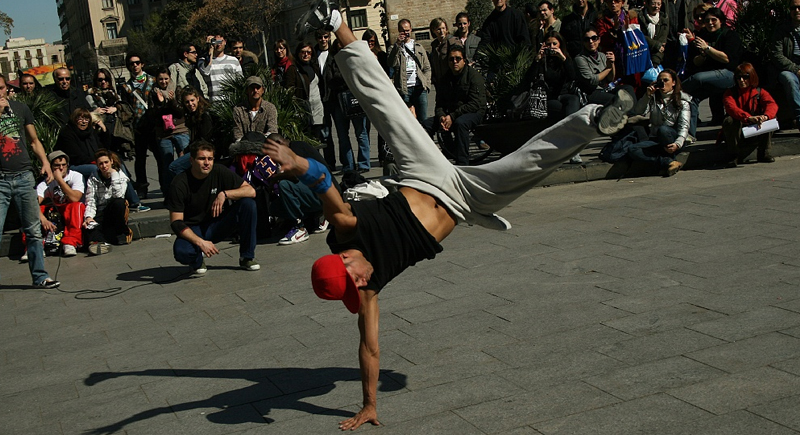
Credit: flickr
By the mid-1980s, breakdancing had moved from city streets into suburban gyms, living rooms, and school talent shows. Inspired by televised dance battles and movies like Breakin’, Boomers and their kids tried to imitate complex spins and freezes. Most lacked the training or space needed, and injuries like sprained wrists, bruised hips, and pulled muscles became common.
The AIDS Crisis Was Met with Silence

Credit: Wikimedia Commons
AIDS emerged as a major health threat, but the federal response lagged. It took President Reagan several years to publicly acknowledge the crisis, even as thousands died. The disease disproportionately affected gay men, who faced widespread discrimination and misinformation. A lot of doctors didn’t have clear treatment protocols, and patients often suffered in isolation.
Aerosol Hairspray Created Real Indoor Smog
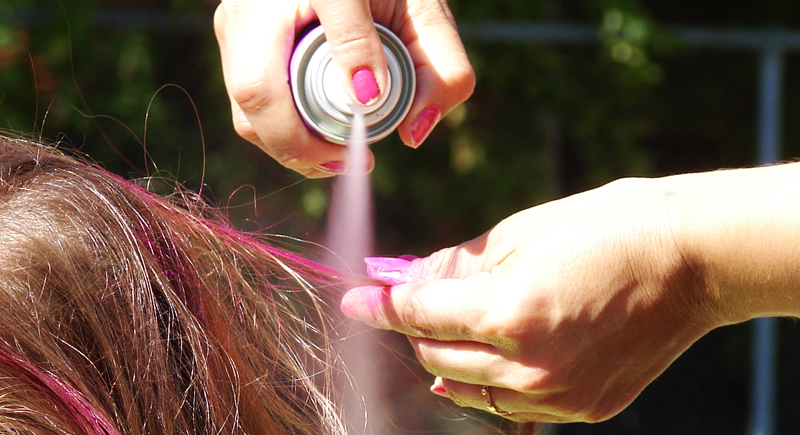
Credit: Wikimedia Commons
People’s obsession with big hair led to the heavy use of aerosol hairspray. Brands like Aqua Net ensured styles stayed in place through wind, sweat, or long days. Individuals sprayed their bangs upward or froze curls into exact shapes. Scientists later linked aerosol use to ozone layer depletion and paved the way for regulation.
Acid-Wash Jeans Dominated the Racks
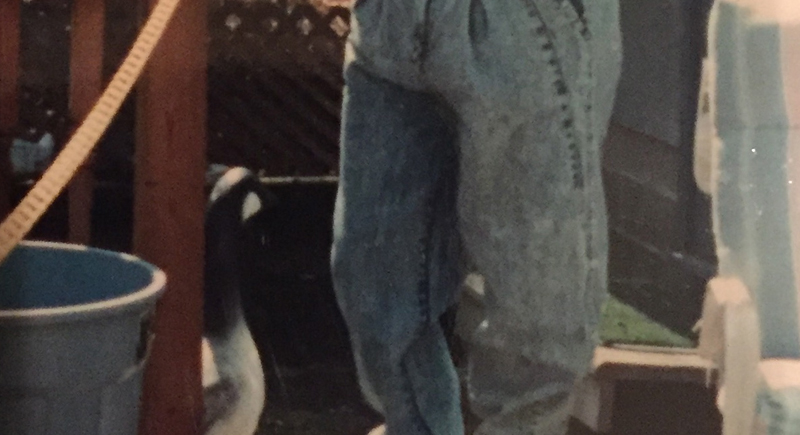
Credit: Wikimedia Commons
If you wore acid-wash jeans back then, you followed one of the biggest fashion trends of the decade. The process involved treating denim with chlorine or pumice stones to create a blotchy, washed-out effect. Brands released entire outfits—jackets, skirts, overalls—in the same pattern.