Why This Spicy Creole Mustard Is Hot Dog Perfection
Hot dogs are simple, but the right topping can change the whole experience. Creole mustard has become a favorite at cookouts because it brings a sharp, peppery kick that cuts through the richness in a way regular yellow mustard doesn’t. It adds heat without overwhelming the bite and gives a plain hot dog a more defined, satisfying flavor. Many people still skip past it on the shelf, which is why it feels like a small discovery when someone finally tries it.
Mustard With Deep Louisiana Roots
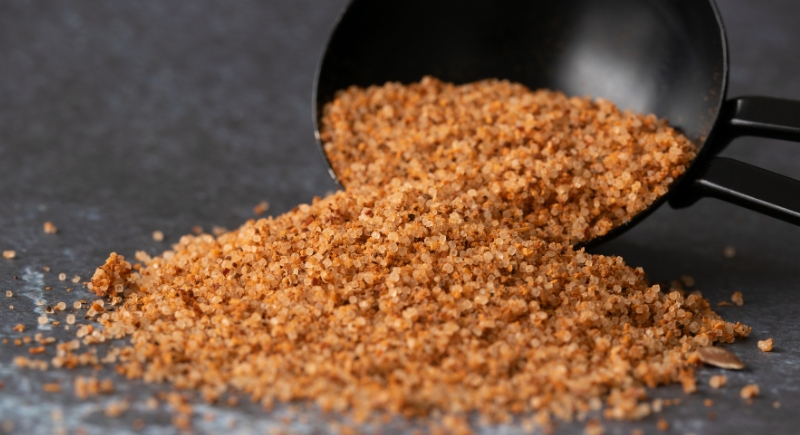
Image via Getty Images/Michelle Lee Photography
Creole mustard originated from New Orleans’ cooking traditions, which were shaped by French, African, Caribbean, Spanish, and Italian influences. Over generations, cooks mixed brown mustard seeds with vinegar and aromatics, then layered in spices tied to Creole cuisine. Garlic powder, onion powder, paprika, thyme, oregano, basil, and a hint of sweetness combined to build the flavor profile.
Brands approach it differently. Some versions use brown and yellow mustard seeds, while others stick to brown seeds for stronger heat. Zatarain’s offers a simpler take without horseradish or added spices.
Fat, heat, and acidity make the best partnerships, and hot dogs fit right into that formula. Processed meats carry a lot of richness. To break through the richness, you need acidity to cut it. Creole mustard does that job well because it blends vinegar with a variety of spices.
Food science backs this up. Mustard contains compounds called isothiocyanates and sinigrin. They interact with receptors that heighten savory flavors. That means the hot dog tastes fuller while feeling lighter at the same time. Standard yellow mustard does this too, but the Creole blend adds dimension that gives grilled meat more character.
The Flavor Boost Begins Before The First Bite
Most people squeeze mustard on top and call it a day. Creole mustard can work that way, but it also thrives as a baste. Brushing it over the hot dog before grilling helps the spices cling to the surface.
When used as a topping, it pairs well with ketchup, raw onions, grilled onions, or even crushed potato chips. Chicharrón adds crunch that works with the spices. These combinations lean into salty, sweet, spicy, and smoky notes.
Choosing Or Making The Right Creole Mustard
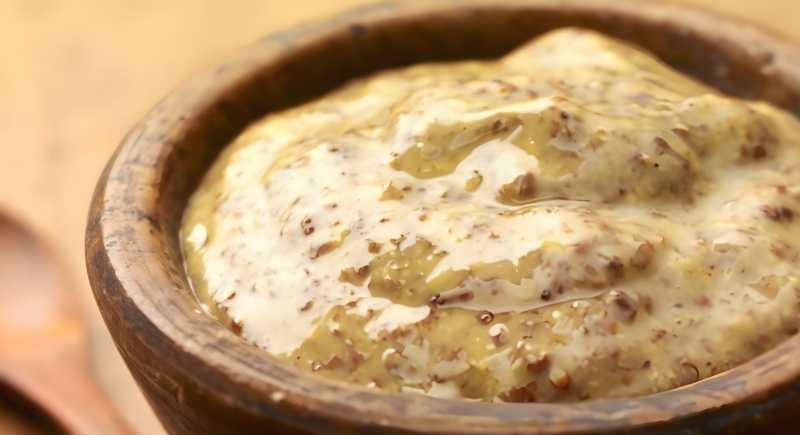
Image via Wikimedia Commons/Mwaters1120
Since Creole mustard varies significantly, selecting the right one depends on your preferred level of heat. A whole-grain mustard with Creole seasoning gets you close if you want to make your own. Adding horseradish increases intensity, while brown sugar or molasses softens the edge. Homemade versions need time in the fridge to settle and develop the flavor.
Store-bought options remain the easiest. Zatarain’s is the most accessible and usually costs between three and five dollars for a 12-ounce bottle at major supermarkets. Specialty versions like Maison Louisianne cost more but offer richer seasoning.
Creole mustard retains its bold flavor best when stored correctly. Heat, humidity, and sunlight weaken its punch. The ideal temperature range is between 50 and 70 degrees Fahrenheit, and refrigeration helps maintain freshness once the container is opened. Glass containers are best suited for homemade batches, as they preserve the seasoning and prevent moisture from seeping in.