Why Do We Always Serve a Lemon Wedge With Our Seafood?
Seafood can be delicate or intense, sometimes within the same bite. Mild fish can taste flat, while others carry a stronger ocean flavor that turns some people away. Lemon solves both issues. The acidity adds brightness to lighter fish and cuts through oilier varieties. It balances the sweetness in shellfish and keeps fried seafood from feeling heavy. It also sharpens subtle flavors, and a squeeze of lemon can make a simple grilled fillet taste more complex without adding extra ingredients.
The Chemistry Behind The Fresh Taste
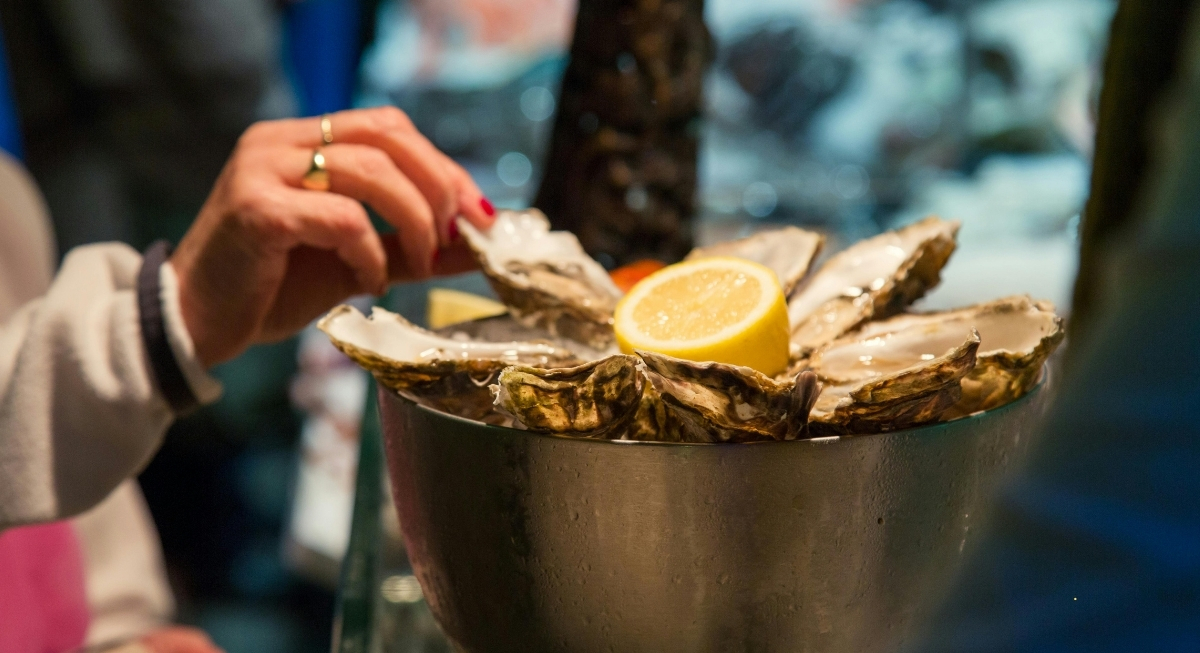
Image via Pexels/Michael Fischer
There’s a clear scientific reason lemon works so well. Fish contains a compound called trimethylamine, which is responsible for the strong smell that develops as it ages. Lemon juice contains citric acid, which reacts with that compound and neutralizes it.
The reaction alters the fish’s smell and taste by making it seem fresher. Acid also affects texture. When lemon juice comes into contact with fish, it begins to break down proteins. This process softens the flesh slightly. In dishes like ceviche, citrus takes it further by firming the fish and giving it a cooked texture without heat.
A Habit Shaped Before Modern Kitchens
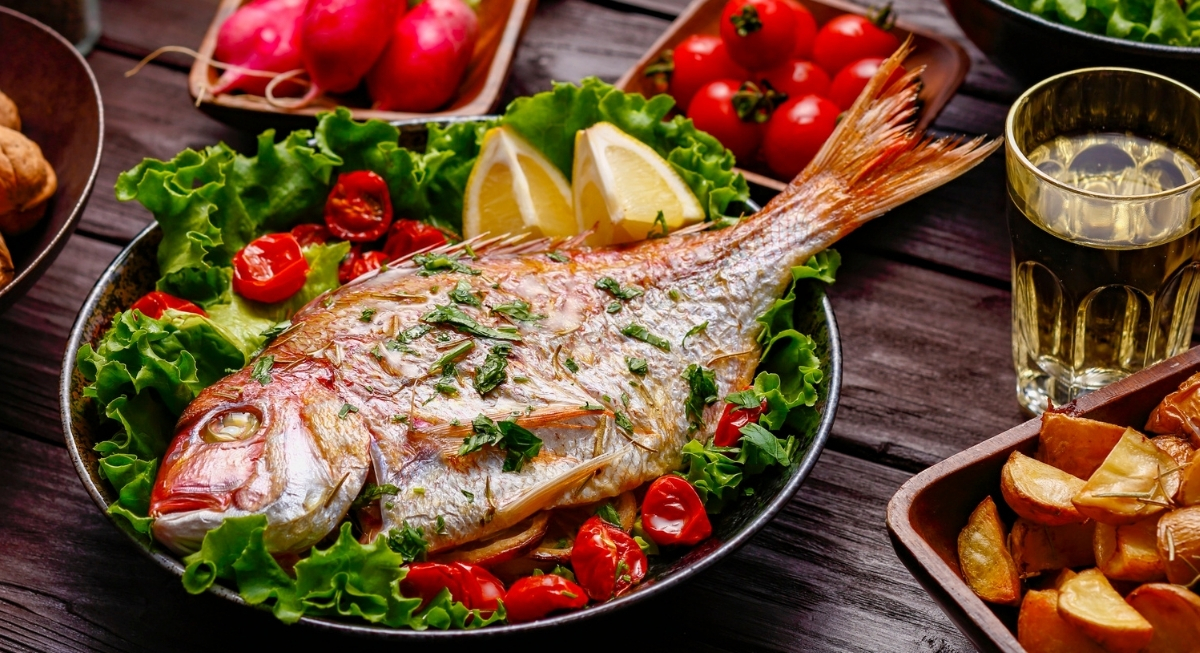
Image via Canva/Aflo Images
The lemon-and-seafood pairing dates back hundreds of years. By the Middle Ages, it had become common in coastal regions, especially across the Mediterranean, where both ingredients were readily available.
Some early beliefs added to its reputation. One idea suggested that lemon juice could help prevent choking on fish bones by breaking them down. The claim doesn’t hold up under modern science and is widely seen as superstition, but it shows how people linked lemons with safety at the table.
There’s also a health connection tied to the sea. In 1753, Scottish surgeon James Lind discovered that lemon juice could prevent scurvy, a disease caused by a lack of vitamin C. Sailors and fishing communities began relying on citrus as part of their daily routine. While this didn’t directly create the lemon-and-fish pairing, it reinforced how closely citrus and seafood became linked in maritime life.
A Global Practice With Local Twists
As seafood traditions spread, the lemon pairing traveled with them and adapted to local ingredients. In Mediterranean cooking, lemon became a staple alongside olive oil and herbs. In Peru, lime was prominent in ceviche, where it was used to transform raw fish. In Japan, yuzu serves a similar role by adding a sharp citrus note to seafood dishes. Different regions leaned on different citrus fruits, but the goal remained the same: add acidity to balance flavor and improve the overall experience.