Why Do Classic Diners Look Like Railcars?
In the 1880s and 1890s, most sit-down restaurants followed strict hours. They usually closed in the evening and didn’t serve overnight. But many people, such as factory workers, night-shift laborers, and travelers, still needed food during those late hours.
The solution came in the form of horse-drawn “lunch wagons” that served coffee, sandwiches, and quick bites on city streets. At first, these were simple setups; customers stood outside and ordered through a window. But by the late 1880s, larger wagons appeared with space to sit or stand inside, along with full cooking equipment. As these wagons grew, their shape began to stretch into long, narrow rectangles on wheels.
When Wagons Became Permanent Fixtures
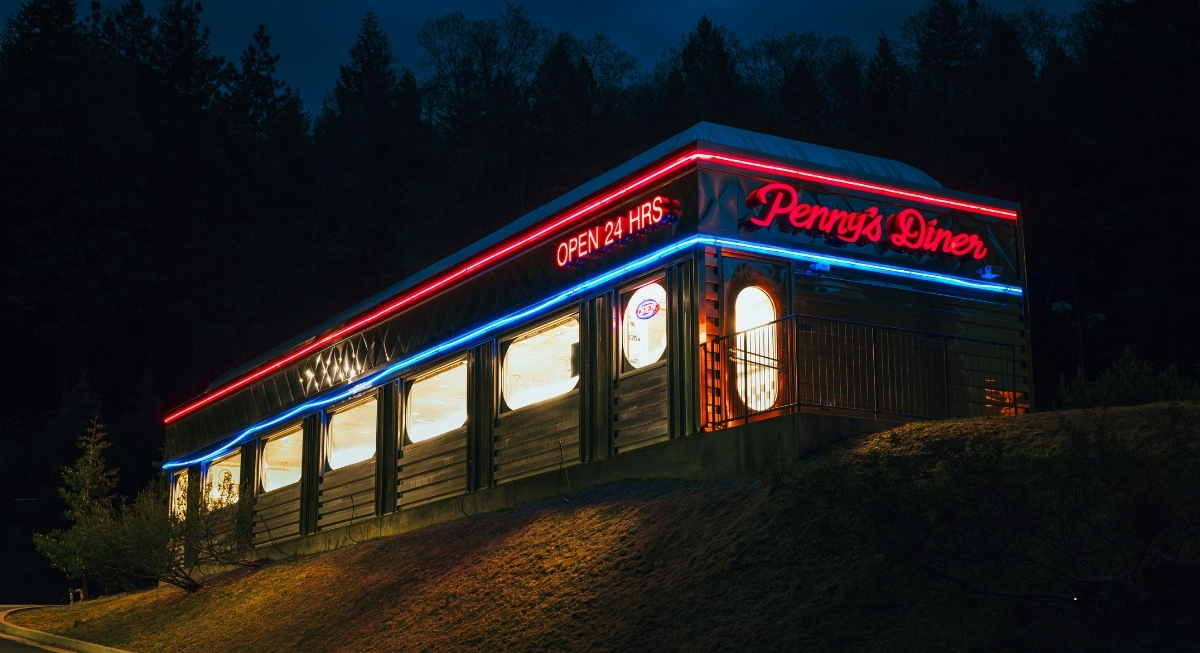
Image via Pexels/Josh Hild
City regulations soon complicated things. Many areas limited how long mobile food vendors could operate, which pushed owners to find a more stable setup. Instead of building full restaurants, many chose a faster option.
They ordered prefabricated units that could be delivered and installed with minimal effort. These early “lunch cars” kept the same narrow footprint as the wagons but stayed in one place and often operated 24 hours a day.
The Railroads Shaped the Design
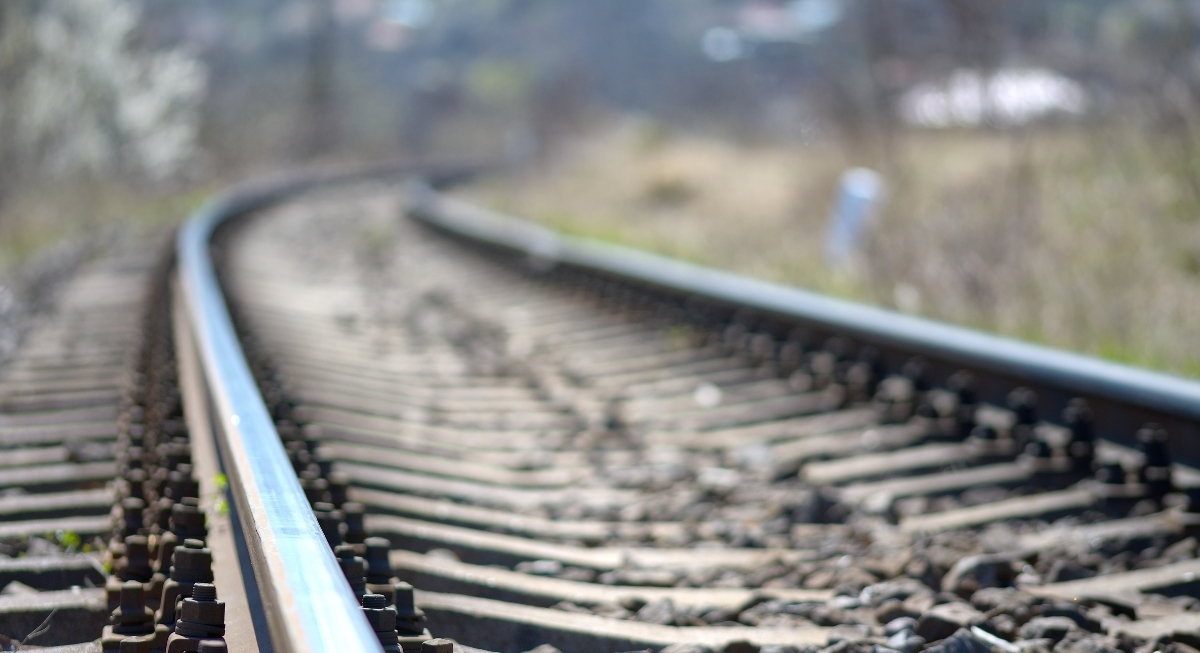
Image via Getty Images/Remus86
Rail transport shaped how diners were built. Once they were made in factories, most were shipped to their destinations by train.
That meant size wasn’t flexible. If a diner had to travel on a railcar, it had to fit those limits from the start. Many were delivered in one piece, so builders stuck to a long, narrow shape that could be transported easily. Over time, that design became the standard.
Inside Look Borrowed From Real Dining Cars
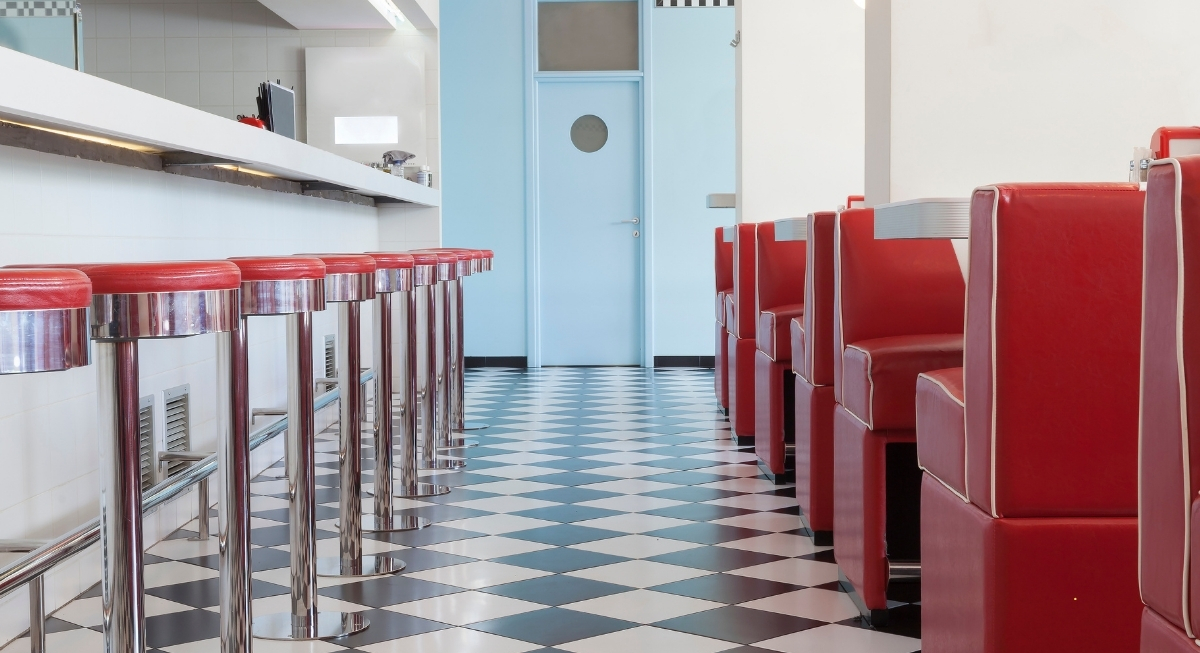
Image via Getty Images/Petardj
Early diners borrowed their interior layout directly from railroad dining cars. Trains used a narrow, straight design with a central aisle and seating along the sides. That setup made it easier to move people in and out quickly and keep service efficient, so diner builders adopted the same approach.
Companies like the P. J. Tierney Company helped shape this format by adding long counters with stools. Later, the Jerry O’Mahony Company introduced features like a central entrance and large windows on both sides. By then, diners didn’t just look like train cars; they followed the same logic inside as well.
How “Diner” Became the Name
The name itself came a bit later. In 1924, a journalist covering the booming lunch car business suggested “dining car” as a more fitting term, borrowing directly from railroad language. Manufacturers adopted it, and the phrase quickly shortened to “diner.” The new name matched the look people already recognized.
When Style Took Over in the 1930s and 1940s
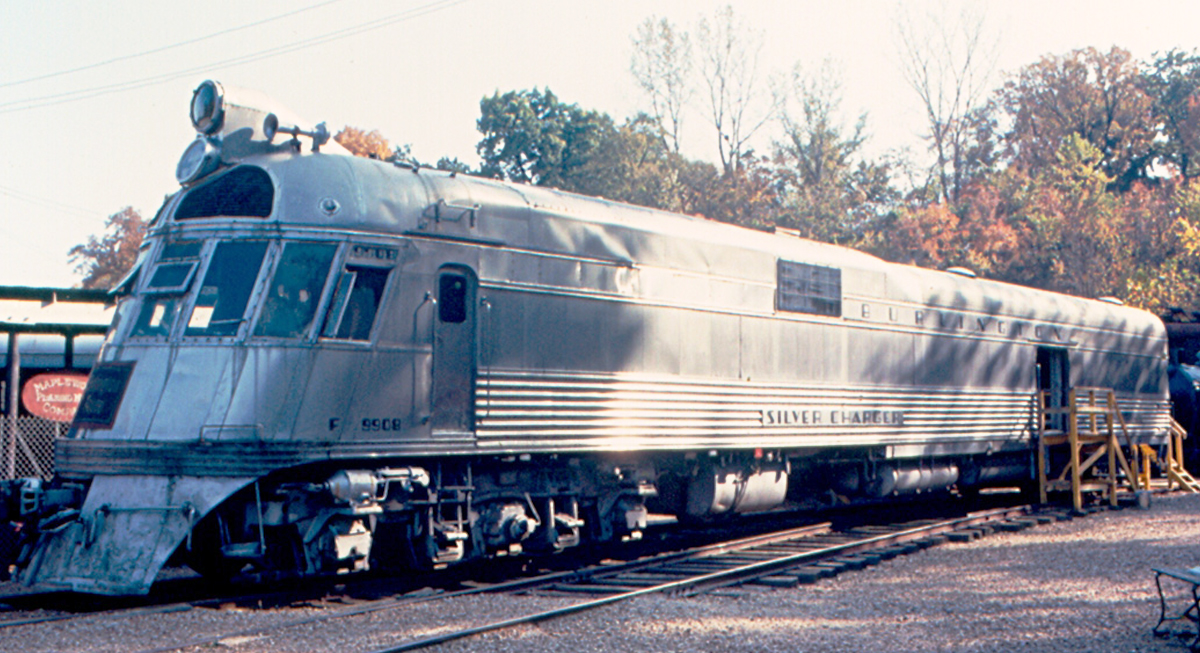
Image via Wikimedia Commons/Roger Wollstadt
By the 1930s, trains had started adopting a streamlined, futuristic appearance. The 1934 Burlington Zephyr became one of the most famous examples of that shift. Diners followed right behind. Designers like Roland Stickey worked on models such as the Sterling Streamliner for the J.B. Judkins Company in Massachusetts, which featured smooth curves and chrome finishes. The look caught on fast. During the 1940s, these shiny, rounded diners became the version most people still picture today.
A Design That Stuck Around
For years, shipping limits kept diners locked into that railcar shape. That changed in the 1940s, when manufacturers began building them in sections rather than as a single piece. This allowed for larger, more flexible designs. By then, it didn’t matter. The long, narrow form had already become part of the diner’s identity.
Some owners even used actual trains or trolley cars to lean into the look. Others built brand-new diners that copied the same proportions, even when there were no longer any restrictions forcing them to do so.