What Your Favorite Drive-Thru Meals Actually Cost 30 Years Ago
A drive-thru run used to mean loose change and a quick decision, but that stop now feels like a small financial commitment, and the change didn’t happen overnight. Prices crept up, menus were renamed, and somewhere along the line, the idea of “cheap fast food” started to fade. A few decades back, the same items on today’s menus looked very different on the receipt.
Big Macs
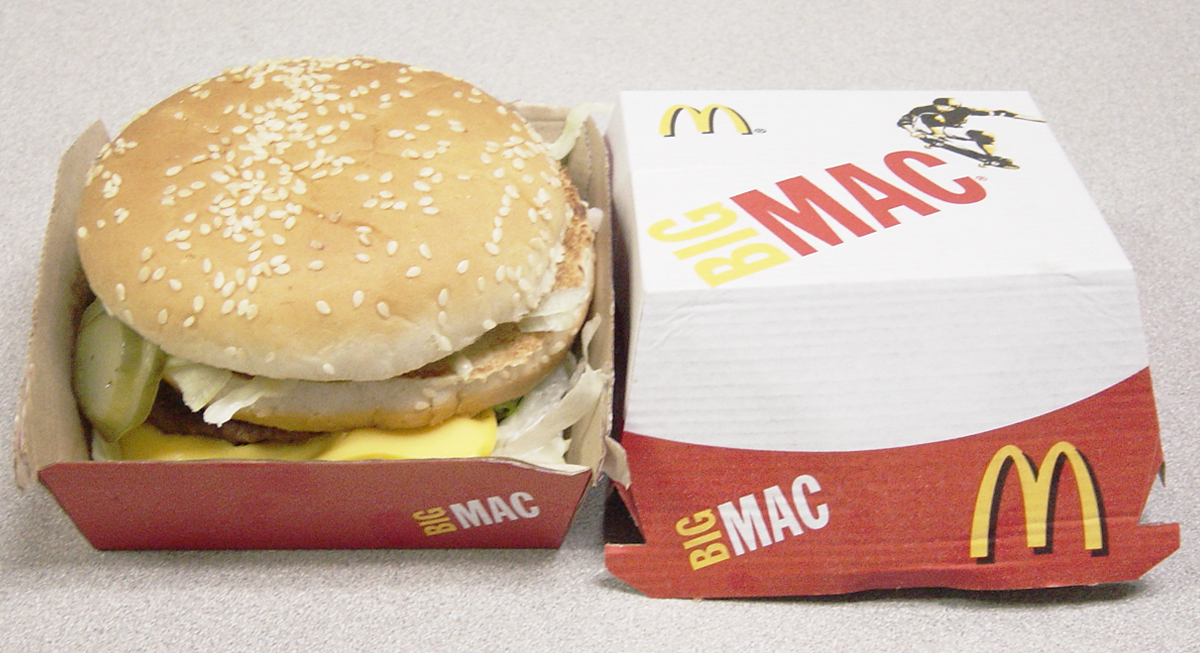
Image via Wikimedia Commons/Go Ikeda
When McDonald’s introduced the Big Mac in 1967, it sold for about $0.45. The price then hovered around a dollar well into the 1970s. In recent years, a single Big Mac has cost closer to $5 or more in many locations in the United States. Even in the last decade alone, it jumped from about $3.99 to around $5.99, thus cutting the number you could grab with $20 from 5 to 3.
Fries and a Drink
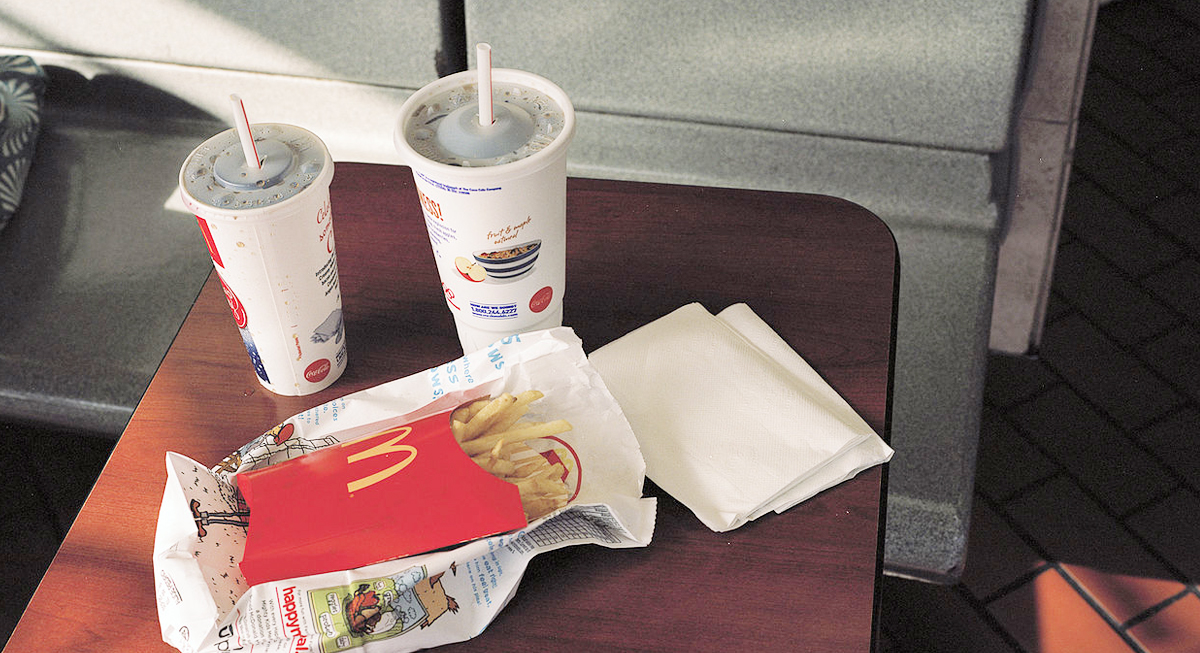
Image via Wikimedia Commons/Carytijerina
In 1955, fries and a soda at McDonald’s each cost $0.10, while a burger went for $0.15. Today, that same order is closer to $6 depending on location. Fries alone often cost around $2 unless you catch a deal through the app.
The Whopper
As of 2026, Burger King’s Whopper can cost between $4 and $10, depending on where you order it. Even the smaller Whopper Jr. is usually priced between $3 and $4. This is a significant increase for a burger that first launched in 1957 at just $0.37.
Chicken Meals
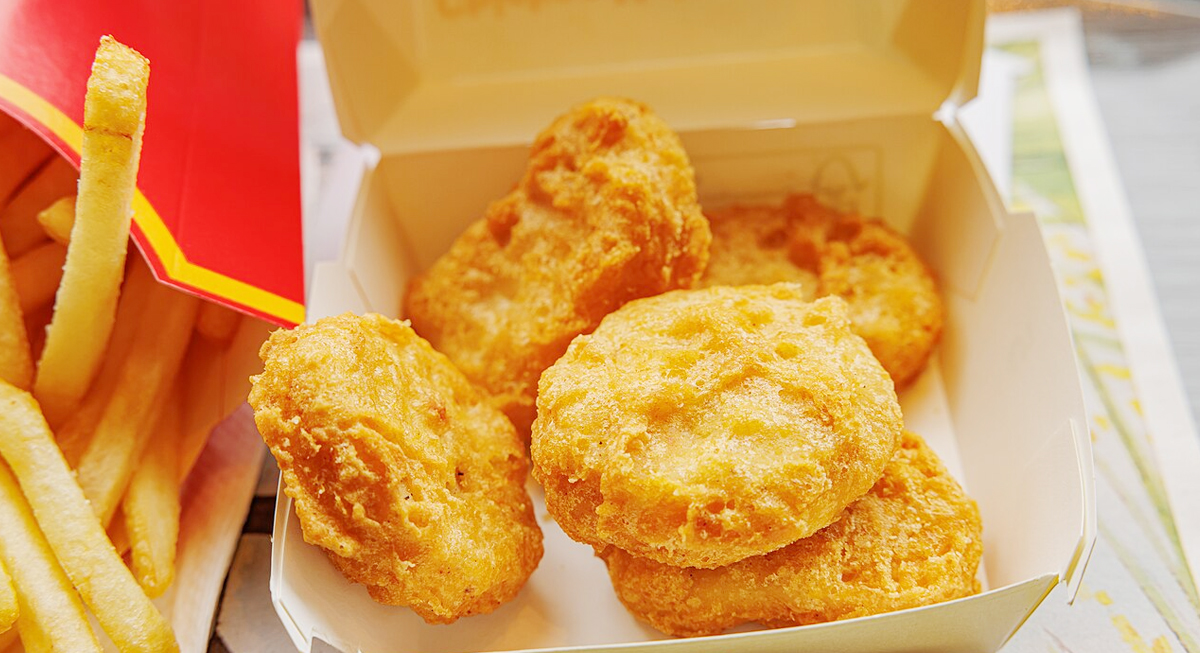
Image via Wikimedia Commons/Dinkun Chen
Chicken-based meals saw some of the steepest increases in recent years. A McDonald’s chicken nugget meal that cost about $5.99 a decade ago now costs around $10.99.
McDonald’s Value Menus
The original Dollar Menu disappeared in 2013, making way for new versions like the $1 $2 $3 Menu and, later, the McValue Menu in 2025. Even with those updates, prices kept rising. Some locations now charge around $3 for hash browns and close to $12 for a Quarter Pounder meal. Over a 10-year stretch, McDonald’s prices rose by about 100 percent on average, outpacing overall inflation. The shift even triggered a nickname people now use online: McFlation.
The Frosty and McFlurry
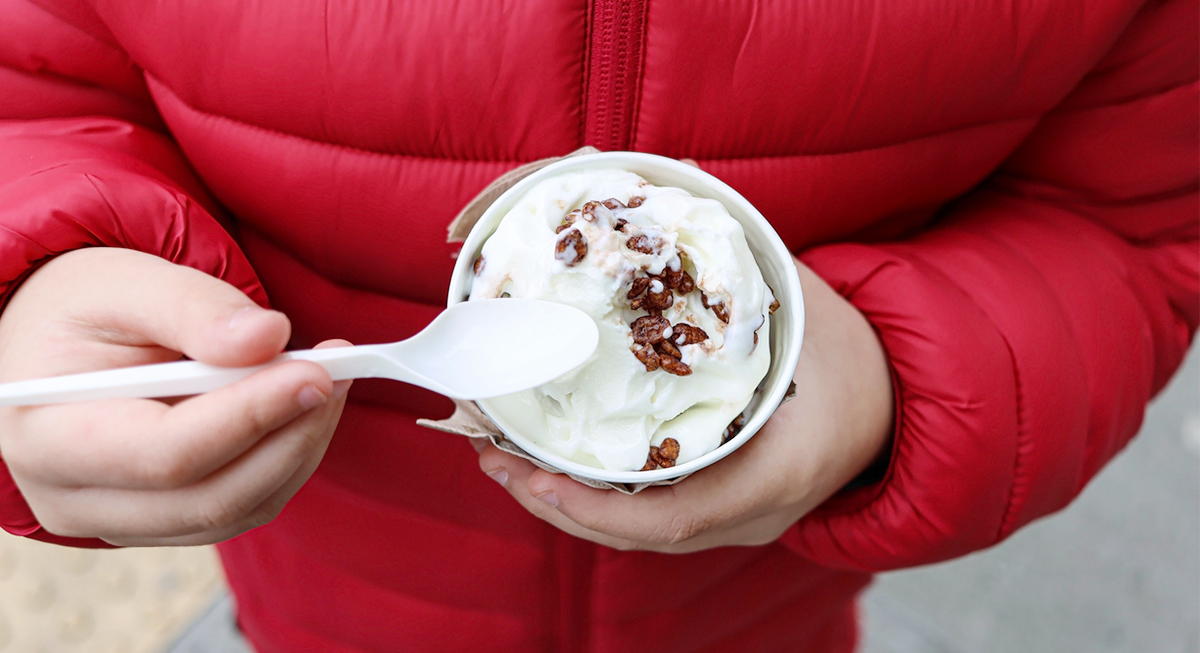
Image via iStockphoto/TopMicrobialStock
Desserts once felt like an easy addition to a meal, but not so much anymore in recent years. A Wendy’s Frosty debuted in 1969 at $0.35. But as of 2026, a small version usually costs between $1.50 and $3.50. McDonald’s Oreo McFlurry followed a similar path. It went from about $2.39 to roughly $4.49 over the past few years.
Subway’s Footlong
Subway is one of those brands that built its reputation on affordability. In 1965, a sub started at $0.49, and for years, the $5 footlong defined its brand. But that era has passed. A standard footlong now costs around $10, depending on what you order. Even promotional deals hardly hit the old price points people remember.
Taco Bell
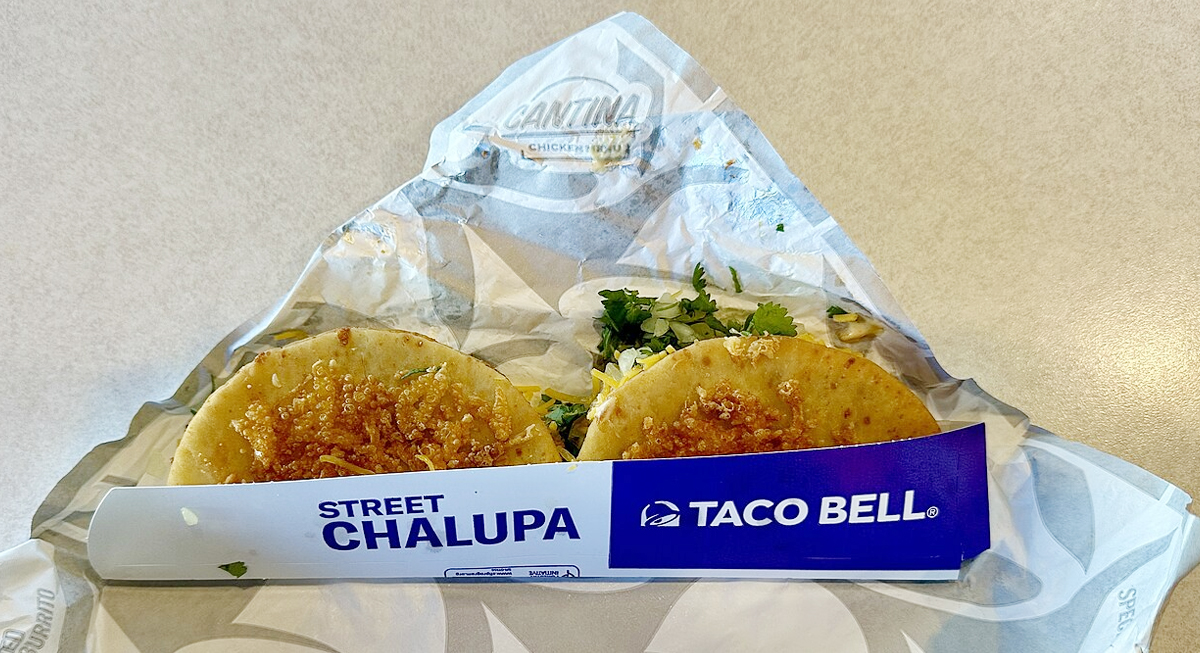
Image via Wikimedia Commons/Phillip Pessar
Taco Bell opened in 1962 with a simple idea: every item on the menu cost $0.19. Today, it still positions itself as a value option, but prices have moved up. A soft taco now costs around $1.79, while a bean burrito costs nearly $1.89. Compared to other chains, it feels cheaper, but compared to its starting point, it tells the same inflation story.