What Our Grandparents Got Right About Mental Health
Our grandparents practiced a few simple mental health principles long before it was labeled as one. They showed up consistently, maintained steady routines, stayed engaged in hands-on hobbies, and maintained strong social ties within their communities.
Research now links these same behaviors to lower stress, stronger resilience, and reduced risk of anxiety and depression. Their ordinary family life was, in many ways, a practical system for protecting mental health.
Slow Hands, Steady Mind
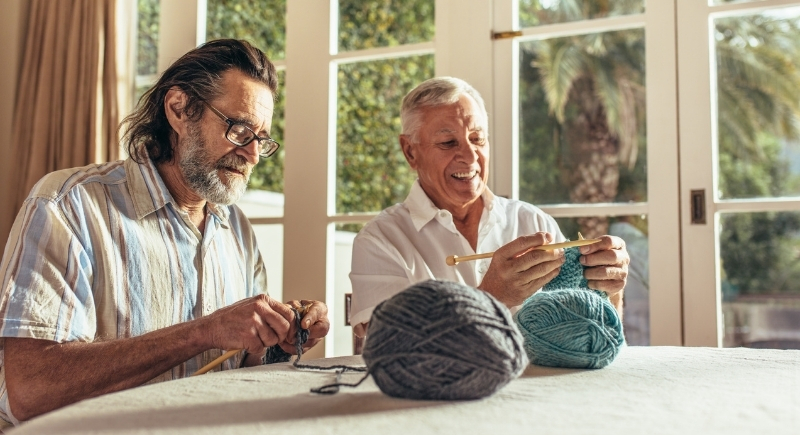
Image via Canva/Jacob Lund
Many grandparents spent hours on hands-on activities at the kitchen table or in the yard, knitting, gardening, baking bread, doing puzzles, or writing letters.
A 2025 systematic review of 19 studies found evidence that crafting activities can improve mental health. Research published in Frontiers in Public Health also links creative hobbies to broader public mental health benefits. One study reported that just 10 minutes of drawing per day improved mood and reduced stress, with stronger effects after a month of daily practice.
Grandparents did these things as part of daily life. Creative work also encourages a flow state, a type of focused calm that pulls attention away from rumination.
Community Without Pressure
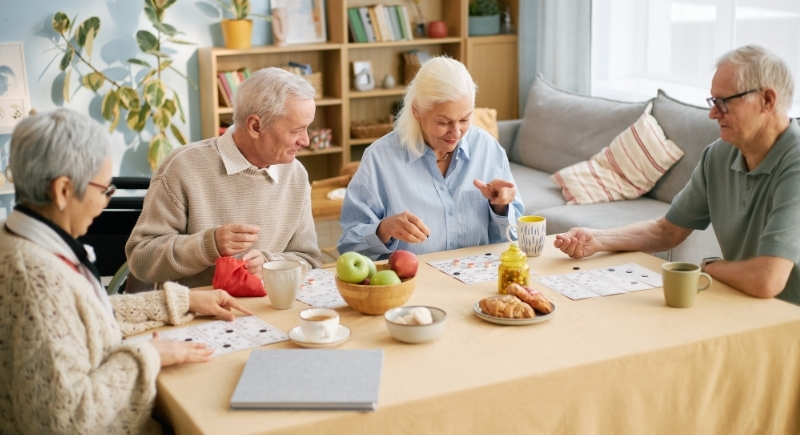
Image via Canva/SeventyFour
Grandparents built informal social networks, such as church groups, quilting circles, card nights, and neighborhood chats on the porch. These gatherings offered connection without the pressure that often comes with modern social media. Social support remains one of the strongest predictors of mental well-being. Studies show that older adults who maintain strong family ties report higher life satisfaction and lower loneliness.
Grandchildren also benefit from this, as research suggests that active grandparent involvement correlates with fewer mental health problems in young people, particularly when the relationship feels warm and supportive. Shared activities, too, create built-in conversation. When hands stay busy, people open up more easily. The dynamic still works today, which explains the recent rise in craft clubs and hobby circles among younger generations seeking relief from hustle culture and screen fatigue.
Identity, Perspective, And “Good Enough”
Grandparents carry lived history. Stories about hardship, recovery, and persistence help younger family members reframe their own challenges. The perspective supports emotional intelligence and coping skills.
There is also a lesson here in imperfection. Handmade sweaters often have uneven stitches, gardens produce uneven harvests, and recipes sometimes flop. But the value lies in the effort and the ritual. Mental health professionals now encourage practices that reduce perfectionism and promote self-compassion. Many grandparents modeled that mindset decades ago.