What Aquarium Hobbyists Know About Fish Behavior That Marine Biologists Debate
There is a long-standing tension between aquarium hobbyists and marine biologists over how to interpret fish behavior. Scientists rely on controlled studies, data, and field research, while hobbyists rely on continuous, long-term observation of fish in home tanks. The disagreement is about how much can be understood from everyday observation versus formal research.
This gap has made fish behavior one of the more interesting areas where lived observation and academic science often reach different conclusions.
When Fishkeepers Spot Behavioral Changes
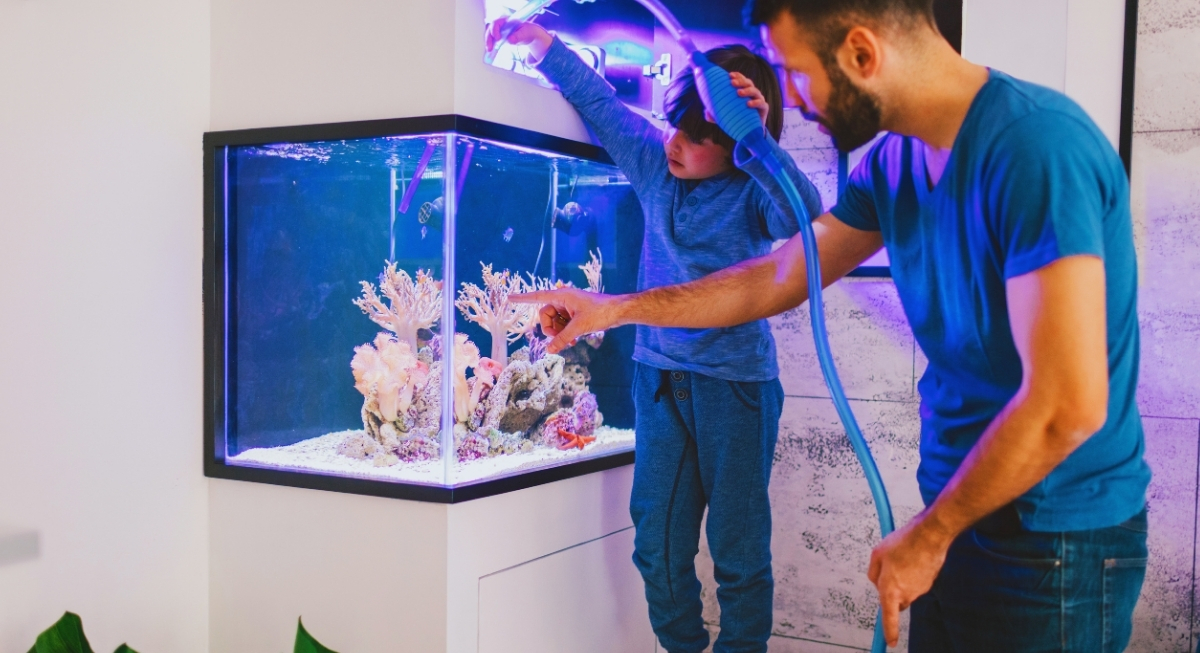
Image via Getty Images/vgajic
Healthy schooling fish like rasboras and tetras usually move in coordinated groups. If one fish starts drifting away, hiding, or hanging near the surface, experienced hobbyists treat it as an early warning sign. Behavior often changes long before visible disease appears.
Aquarium hobbyists have treated behavior as a health diagnostic tool for years, and the same goes for feeding habits. A fish that refuses food for two days in an established tank immediately raises concern among seasoned keepers.
Aggression Is More Complicated Than “Mean Fish”
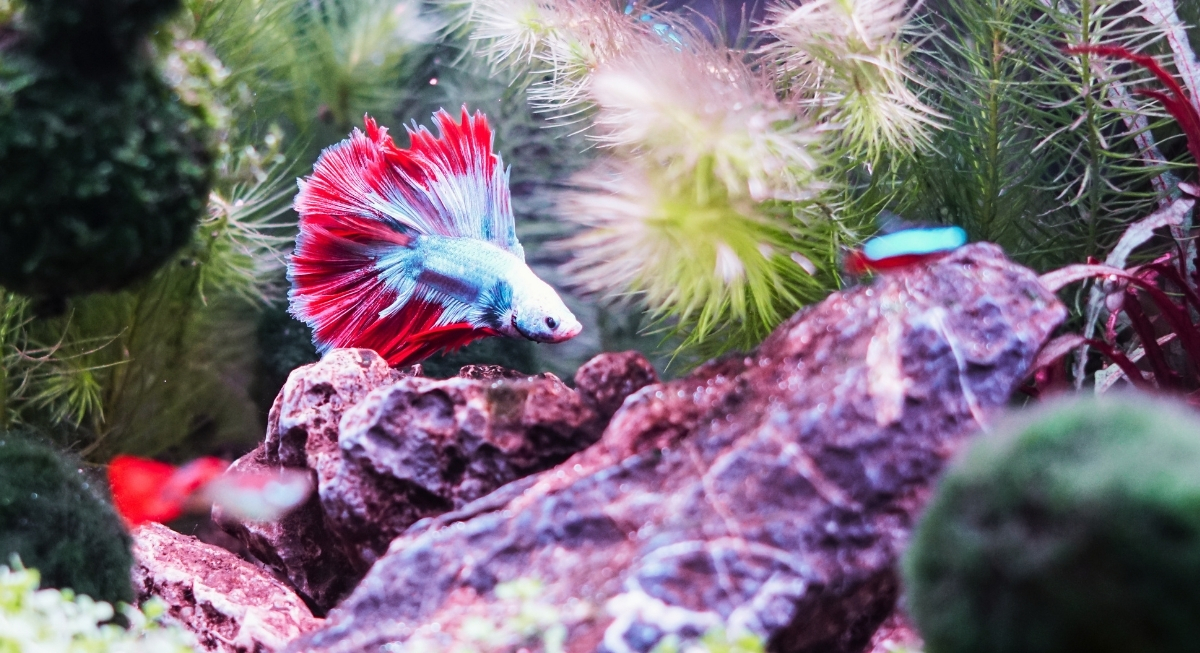
Image via Getty Images/Capture_the_moment_with_me
Betta fish helped shape one of the biggest misconceptions in fishkeeping. People often describe them as naturally violent, but hobbyists have learned that aggression changes dramatically depending on territory, tank layout, reflections, and nearby fish.
Cichlids tell a similar story. Many species become aggressive during breeding periods, especially while guarding eggs or fry. Rearranging rocks, driftwood, or plants can sometimes reduce conflict almost overnight because established territories disappear.
Marine biologists still debate how much of fish aggression comes from instinct versus environmental pressure. Hobbyists tend to see the answer as obvious: context changes everything.
This perspective has pushed modern aquarium setups away from bare decorative tanks and toward environments designed around behavioral needs. Hiding spots, broken sightlines, and species compatibility are now just as important as water quality.
Fish Might Be Smarter Than People Expected
Archerfish can knock insects into the water by shooting precise streams of water at leaves above the surface. Research into fish cognition has expanded in recent years, but hobbyists have long argued that fish are capable of problem-solving and memory formation.
Even common community fish show the same routines with strange consistency. Certain loaches become active only during dusk hours, and some catfish wait until larger fish finish eating before approaching food.
To aquarium owners, these patterns feel less like instinctive repetition and more like individual behavior. This remains controversial in some scientific circles because measuring personality in fish is difficult. Still, studies involving maze navigation, social learning, and environmental adaptation continue to fuel the debate.
Weather, Light, and Tank Design
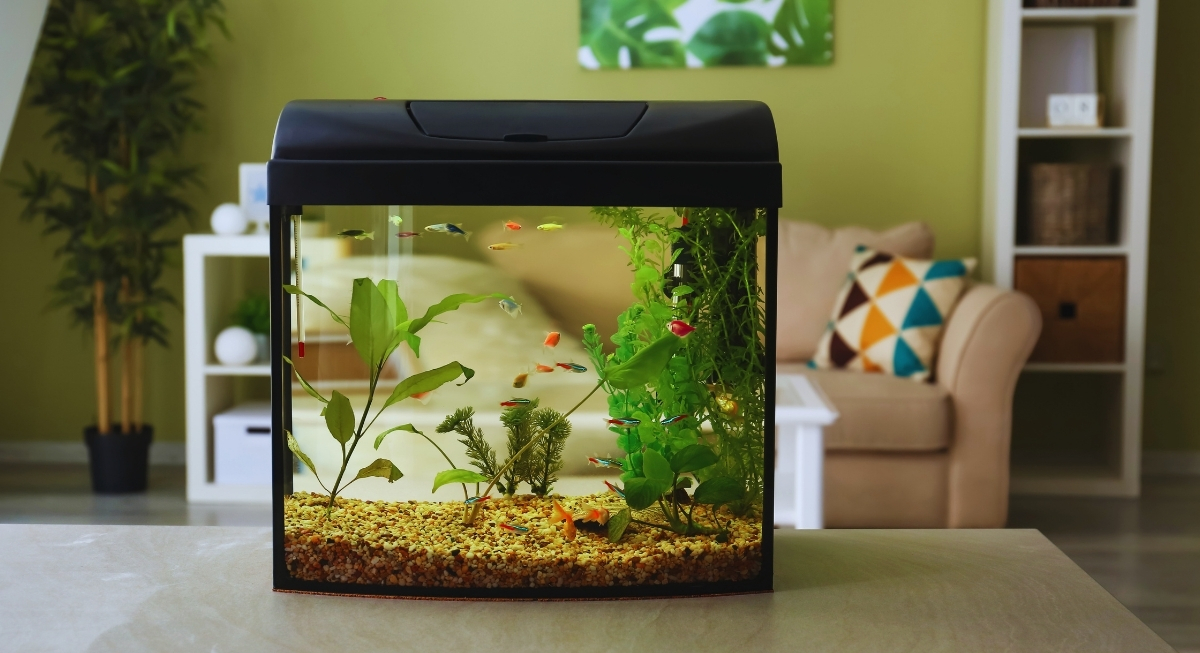
Image via Canva/pixelshot
One detail aquarium hobbyists obsess over is environmental shifts. Fish behavior changes quickly in response to temperature swings, lighting adjustments, storms, or drops in oxygen levels. Fish gasping at the surface can indicate low dissolved oxygen levels. Rapid gill movement, clamped fins, and flashing against surfaces often point to stress before water tests reveal a problem.
Many hobbyists also swear that fish react to barometric pressure changes before storms arrive. Science has not fully settled that question, but researchers acknowledge fish can detect pressure shifts in aquatic environments.
Lighting creates another behavioral puzzle. Some species become inactive under intense lighting and grow active during dawn or dusk periods instead.