7 Vintage Workout Crazes That Make Us Cringe Today
People have always wanted easier ways to get in shape, and for a while, the fitness industry really ran with that. There were machines that barely asked you to move, belts designed to do the work for you, and videos promising defined abs in a week. Looking back, it’s hard not to cringe, but it’s also kind of fascinating how many people bought into it.
Vibrating Belt Machines

Credit: flickr
At one point, these machines were everywhere—salons, gyms, even in home ads. They strapped a thick belt around your waist or hips and rattled the body using a motor. Users stayed still while the machine did all the shaking—no actual effort involved. That was the promise: shed weight without lifting a finger.
Slendo Massager Cages

Credit: Youtube
Slendo cages required you to stand inside a metal frame lined with spring-loaded rollers while it moved against your body. It appealed to anyone hoping to change how they looked with zero exertion. Unfortunately, the results were never there. Despite its popularity in beauty salons, it became just another reminder that motion from a machine never had the same impact as actual exercise.
Body Blade Resistance Rod

Credit: Instagram
Instead of lifting weights or doing planks, people were encouraged to shake a flexible, blade-shaped rod that created its own resistance through motion. Many tried it, hoping to build strength through vibration. However, all it did was engage some stabilizer muscles, which is why it was found to have limited use only in rehab clinics.
Belly-Bouncing Machines

Credit: Instagram
People used to lie on padded benches that bounced their stomachs up and down, hoping it would reduce their waistline. There was no effort required from your end—just lying there while the bench did the bouncing. It gave the impression of activity but didn’t actually engage your body.
Face-Exercise Contraptions

Credit: Quality Stock Arts
Inventors went all in on the idea that facial muscles could be “toned” like any other. Headgear with straps and springs was stretched over the face in hopes of lifting muscles. Some companies still sell modern versions, though most have moved on to skincare and cosmetic procedures instead.
Rolling Pin Machines

Credit: Facebook
These machines featured rotating wooden rollers that you’d press your body into—legs, hips, arms—while the device spun underneath. It mimicked a deep massage and was pitched as a way to “knead” fat away. The sensation could be relaxing, and to some, it was quite helpful with circulation.
Steam Cabinets

Credit: flickr
Sitting inside a wooden or metal box with only your head sticking out became a regular part of spa culture. These chambers are filled with steam, causing the body to sweat heavily. Supporters claimed to flush the system and slim users down through sweat alone. What actually happened? You sweated, rehydrated, and stayed the same.
29-Minute Beginners Workout

Credit: Ebay
This workout video from 1988 was aimed at people new to exercise—short, approachable, and its cheerful tone made it feel approachable, even if the moves stayed basic. It stuck to easy movements that didn’t require equipment or high coordination. The workout got people moving, raised heart rates, and felt more like a friendly dance routine than serious training.
Gazelle Glider
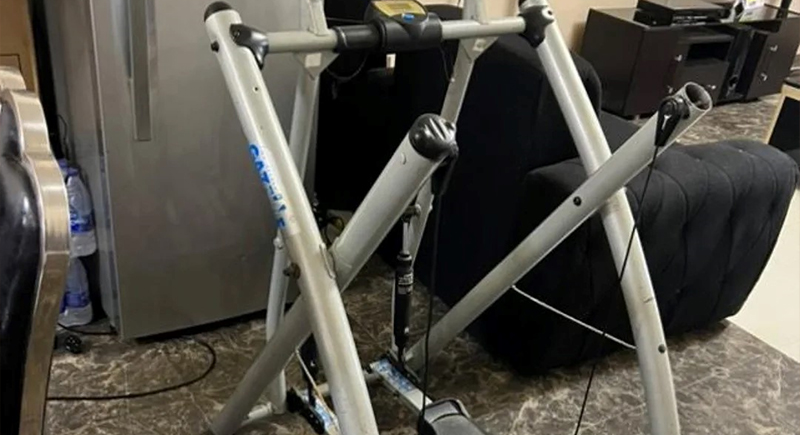
Credit: Instagram
Marketed heavily in the early 2000s, the Gazelle Glider let users swing their legs back and forth while holding handlebars. It was low-impact and easy to use, which made it appealing for beginners.
Horse-Riding Simulators
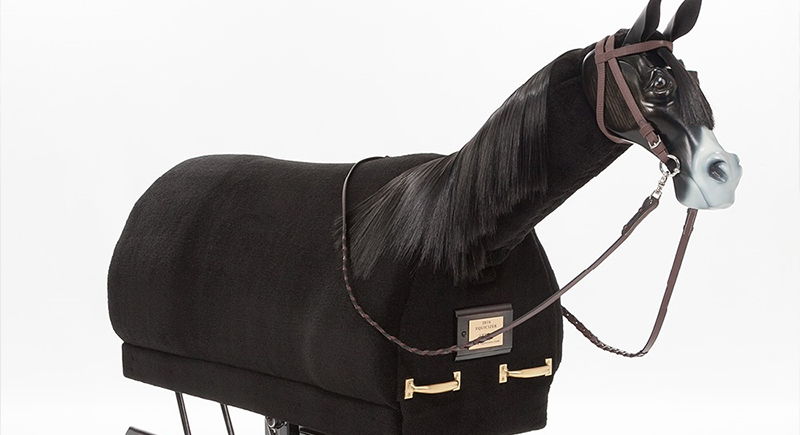
Credit: Wikimedia Commons
These machines tried to copy the motion of riding without the horse. They were sold as balance boosters and thigh-toners. In theory, it made sense, but the motion didn’t require enough control to build strength. After the novelty wore off, most were boxed up and forgotten after a few uses.
Step Aerobics at Home

Credit: Getty Images
A plastic step and a VHS tape were all many needed to feel like they were in a fitness class without leaving home. These workouts had a solid cardio base and helped improve rhythm and coordination.
8-Minute Abs

Credit: Canva
Who wouldn’t want to get abs in a couple of minutes? That is exactly what this tape marketed itself on. The exercises hit the muscles just fine, but without addressing diet or overall activity, they couldn’t deliver on their promise. We all like shortcuts, but people soon realized that no single ab routine could replace a broader fitness plan.
Electrotherapy Belts

Credit: Instagram
Small electrical pulses targeted your abdominal muscles in hopes of toning them while you relaxed. That was the pitch. It made your muscles twitch, gave the impression of progress, but in most cases, there was nothing to show for it..
Vibrating Platforms

Credit: Facebook
Standing on one of these machines meant feeling a constant buzz through your legs and core. Marketers advertised this stimulation as a shortcut to toning, but it barely moved the needle. A few studies found mild benefits, mostly for mobility.
Passive Movement Platforms

Credit: Instagram
There were these vibrating or swaying platforms you stood on while they jiggled your whole body. All you had to do was stand still and hope it worked. The claim was muscle activation and fat loss, but in reality, it was a shaky ride that didn’t lead to measurable changes.