America’s Unhealthiest Presidents—And How Close They Came to Dying
Presidency takes a toll that most people can’t really imagine. It demands long nights and high stress, and often forces leaders to ignore their health. Several presidents faced serious medical challenges that shaped both their time in office and their lives afterward.
Here are some American presidents who dealt with some difficult and persistent health problems on record.
Grover Cleveland
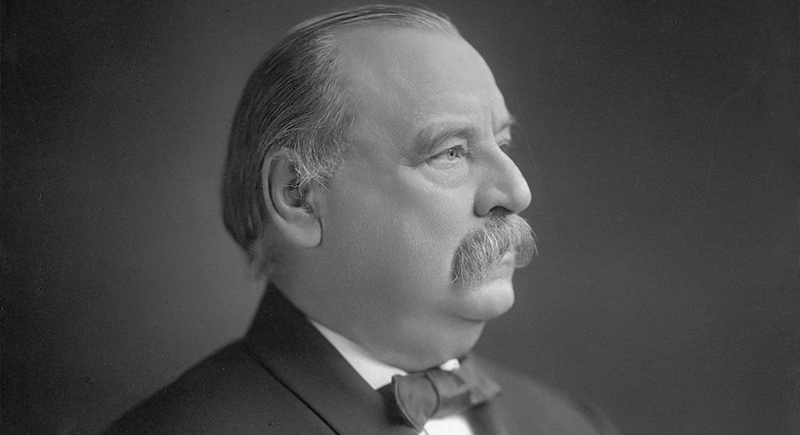
Credit: Wikimedia Commons
Cleveland weighed around 250 pounds, and his steady intake of heavy meals and indulgent habits did him no favors. He once tried to restrict his daily consumption of drinks to just four glasses but gave up quickly. His cigar use may have contributed to carcinoma later in life. If that weren’t enough, persistent gout affected his feet and forced him to limp.
Dwight D. Eisenhower
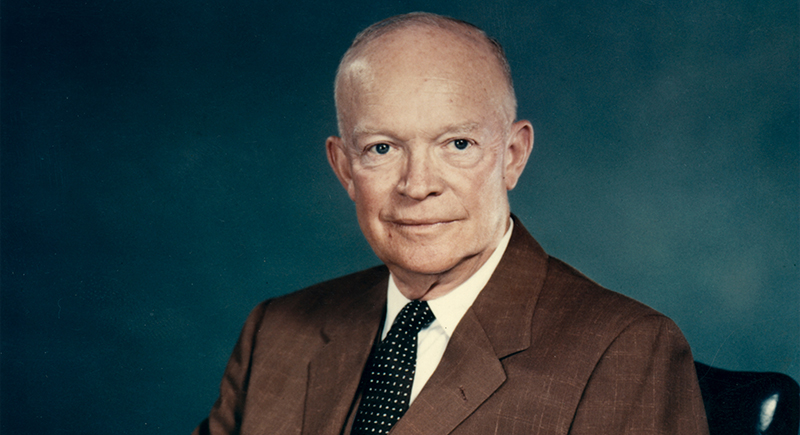
Credit: Wikimedia Commons
Recurring trouble with his health showed up early in Eisenhower’s presidency and only got worse with time. He had a heart attack in 1955, was diagnosed with Crohn’s disease the next year, and then suffered a stroke two years later. Still, he ran again while keeping up his diet of steak and drinks.
Warren G. Harding
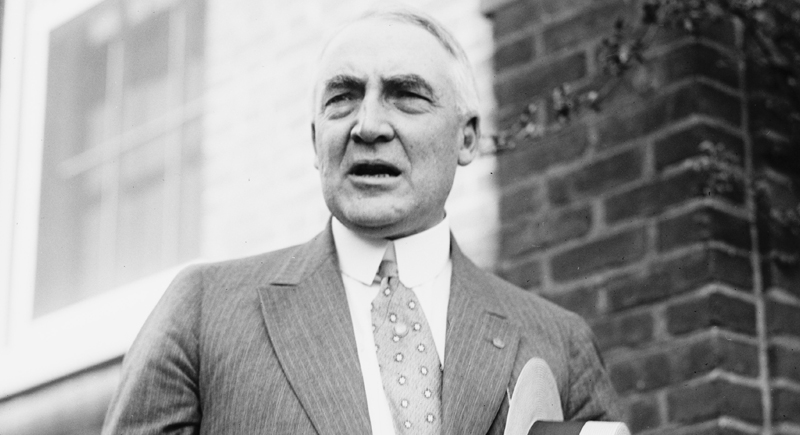
Credit: Wikimedia Commons
As one of only four presidents to die of natural causes while still in office, Harding collapsed suddenly from a heart attack. His health had been in steady decline, especially since he smoked two cigars a day, chewed tobacco, and lived with high blood pressure. By 1918, his weight had crossed 200 pounds.
John F. Kennedy
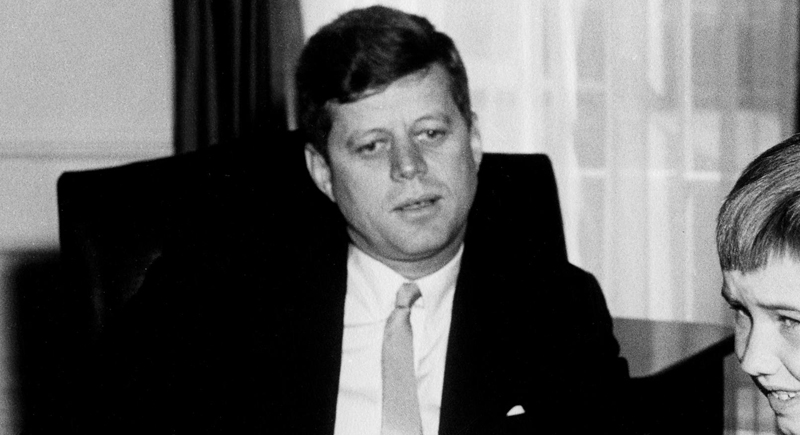
Credit: Wikimedia Commons
We all saw the confident, youthful image Kennedy projected, but behind the scenes, his well-being told a very different story. Addison’s disease disrupted his adrenal glands, and chronic back pain led to multiple surgeries and heavy use of painkillers. Much of this stayed hidden, tightly managed by aides determined to maintain the illusion of strength and vitality.
Andrew Jackson
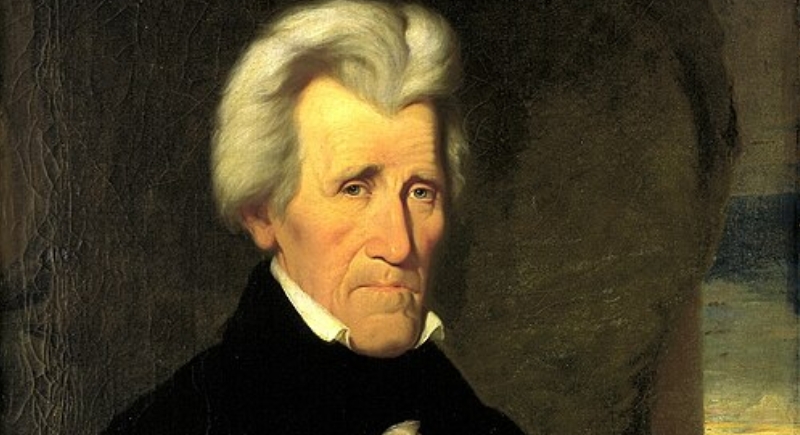
Credit: Wikimedia Commons
No other president endured so many illnesses over such a long span. Jackson caught smallpox as a teen and later battled malaria and dysentery during military service. A bullet lodged in his chest from a duel caused lasting pain. These conditions didn’t stop him from leading, but they left him dealing with physical discomfort throughout his life.
Lyndon B. Johnson
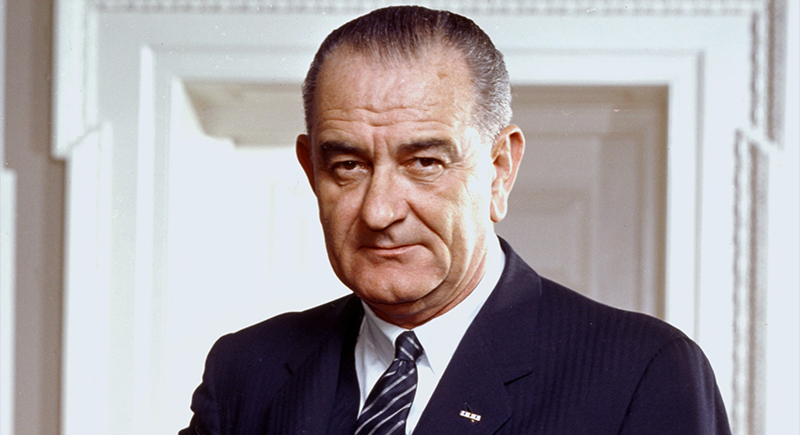
Credit: Wikimedia Commons
The pace Johnson maintained would wear anyone down, and in his case, it already had. A heart attack in 1955 forced him to quit smoking, but he kept long hours and barely slept. While he championed major health legislation, he struggled with his own condition.
James Madison
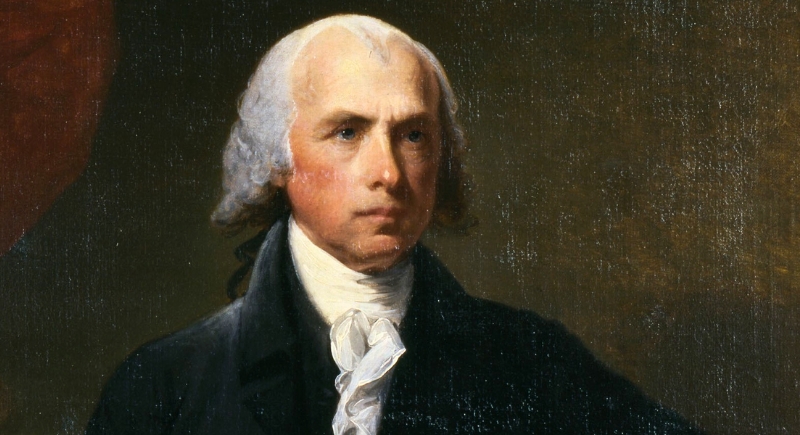
Credit: Wikimedia Commons
The fourth president usually struggled just to stay physically upright. He weighed less than 100 pounds and appeared weak. Seizures and fatigue sidelined him during the Revolutionary War despite holding a militia post.
John Quincy Adams
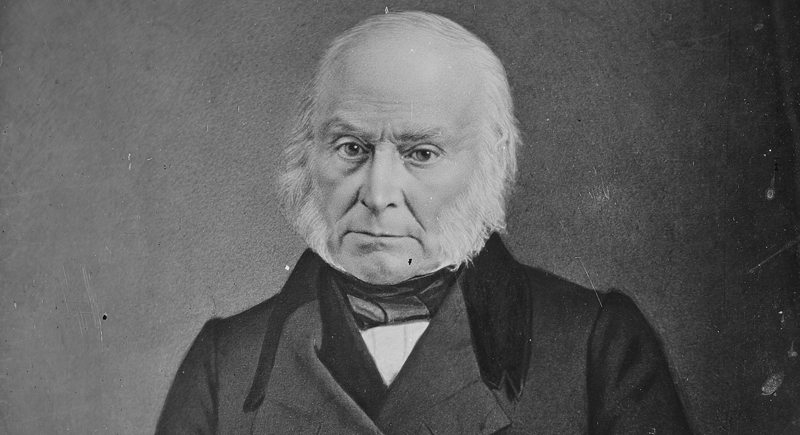
Credit: Wikimedia Commons
Poor health followed Adams for reasons beyond his control—he inherited essential tremor, a neurological disorder that caused constant shaking. The condition made routine tasks more difficult, but didn’t stop his political career. Later, strokes became the greater threat. One struck while he was in the House of Representatives, and he never recovered.
Benjamin Harrison
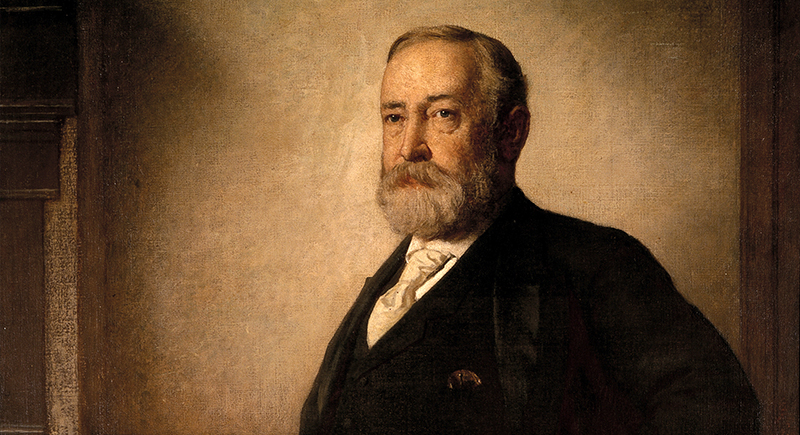
Credit: Wikimedia Commons
At 67, Harrison passed away after what was first diagnosed as the flu. The real cause was pneumonia, which progressed quickly. He built a reputation for endurance, yet the toll of his schedule added up. In the end, even a short illness was too much for a body already strained by years of overwork and little rest.
James Monroe
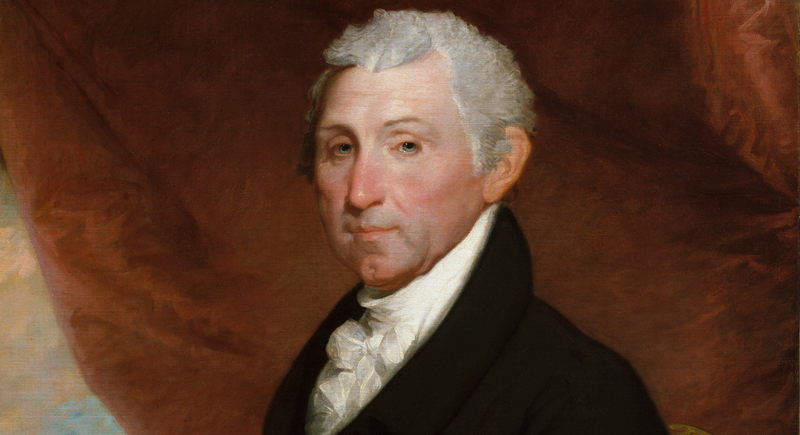
Credit: Wikimedia Commons
Third in the line of presidents to take their last breath on Independence Day, Monroe endured years of declining health before his final breath in 1831. Fevers began after a Mississippi River trip in 1785, likely caused by malaria. A violent seizure followed decades later. Each year chipped away at his strength and left him visibly exhausted.
Ronald Reagan
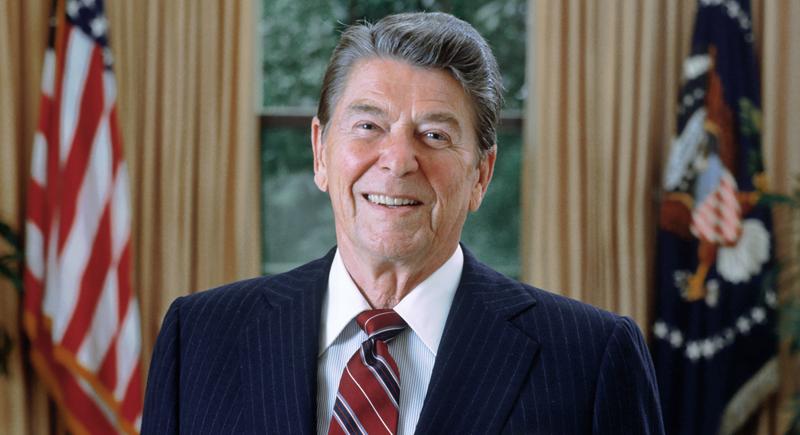
Credit: Wikimedia Commons
Jellybeans were always by Reagan’s side—he started eating them to help quit smoking, and the habit just stuck. Even though the colorful snack became part of his image, Reagan faced some serious health problems. In 1985, doctors had to remove polyps from his colon, and later on, he was treated for skin cancer. After leaving office, he was diagnosed with Alzheimer’s disease, although a lot of people think the signs may have started while he was still president.
Ulysses S. Grant
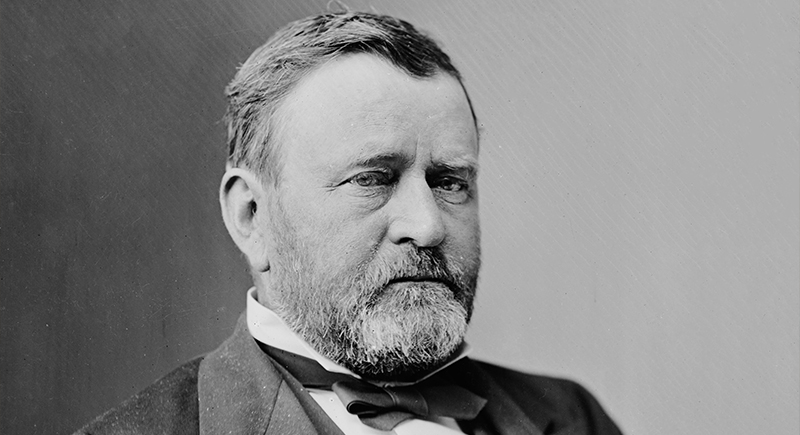
Credit: Wikimedia Commons
Grant found success in the military early on, but the stress and his personal choices took a toll on his health. After the Civil War, he started relying on alcohol, and later began to suffer from serious throat pain. In his last years, Grant worked hard to finish his memoirs, even as it became harder for him to talk and swallow.
Chester A. Arthur
Credit: Wikimedia Commons
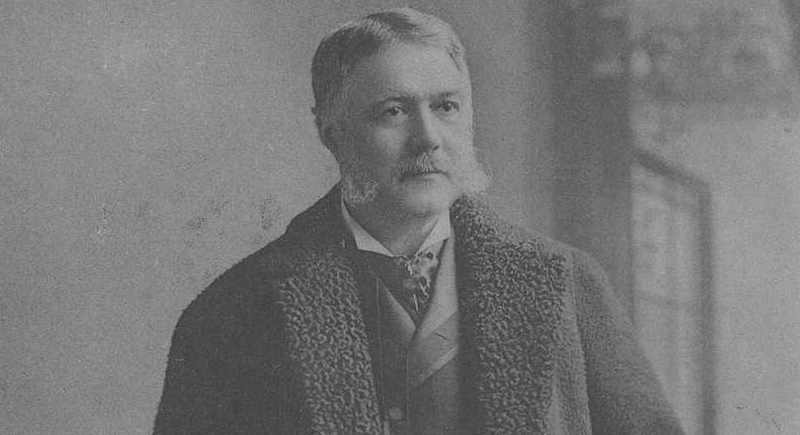
Arthur became president during a time when people didn’t trust politicians much, but he still managed to make real progress with reforms and running the government. Unfortunately, his health was getting worse behind the scenes. He developed Bright’s disease, a serious kidney problem, which caused him to lose a lot of weight and feel tired all the time. Back then, there weren’t many ways doctors could help.
Herbert Hoover
Credit: Wikimedia Commons
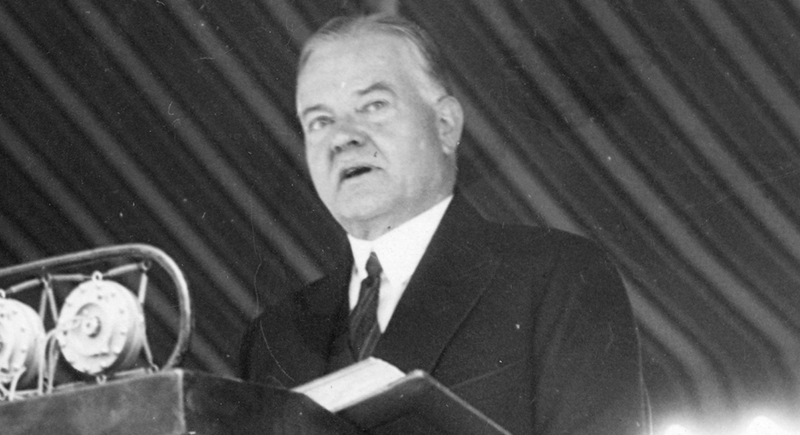
Hoover lived to be 90, which made him seem strong and healthy. But what many people didn’t realize was that he struggled with health problems his whole life. It started when he was a kid with measles, mumps, and constant ear infections. As he got older, he also dealt with stomach bleeding and may have had cirrhosis.
Calvin Coolidge
Credit: Wikimedia Commons
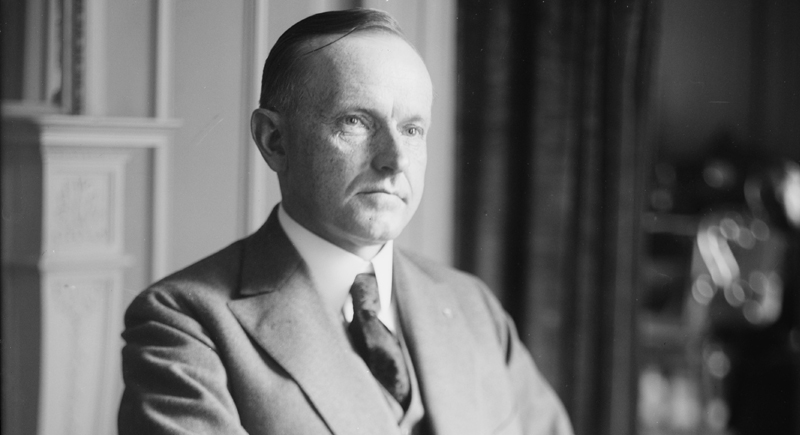
Coolidge rarely revealed much about his inner life. That silence deepened after the sudden loss of his teenage son, a blow that a lot of people thought triggered lasting depression. The emotional strain, coupled with years of minimal self-care, wore him down.