Unforgettable Tracks That Boomers Will Cherish Forever
More than entertainment, music represents the state of the world, connects people, and captures moments in history. These 15 songs became iconic not only for their tunes but for what they represented during their time. Let’s look at why these tracks still matter.
“Yesterday” by The Beatles
Credit: Wikimedia Commons
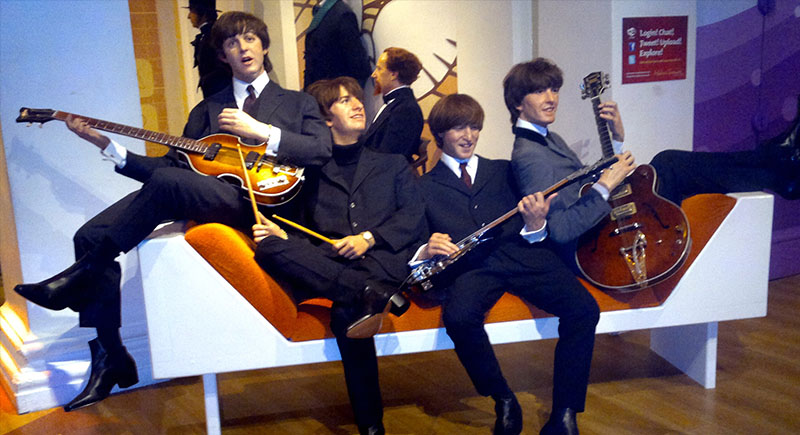
When this song was released in 1965, it broke the band’s rock-and-roll image. Its lyrics about regret and nostalgia struck a personal chord with listeners. It was also one of the first Beatles songs to feature only one member—Paul McCartney—highlighting their musical evolution.
“Respect” by Aretha Franklin

Credit: flickr
The way Aretha turned Otis Redding’s song into a declaration of empowerment was revolutionary. Her version wasn’t just a hit; it became a cultural phenomenon. The raw energy in her voice, combined with the iconic “R-E-S-P-E-C-T,” demanded attention.
“American Pie” by Don McLean

Credit: Wikimedia Commons
People loved trying to decode the references in this song’s lyrics, from Buddy Holly’s death to cultural shifts in the ’60s. What set it apart was its ability to capture nostalgia without being overly sentimental. The mix of folk and rock created an eight-minute epic that felt like a journey.
“Good Vibrations” by The Beach Boys
Credit: Wikimedia Commons
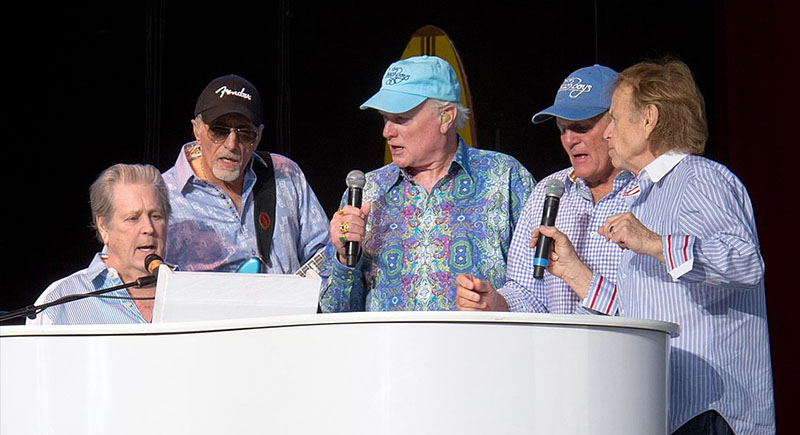
This wasn’t just another surf tune. Brian Wilson spent months perfecting every note by using theremins and layered harmonies to create a song that was experimental yet accessible. It captured the energy and optimism of the ’60s and permanently marked the Beach Boys’ place in pop music history.
“Imagine” by John Lennon

Credit: Wikimedia Commons
The strength of “Imagine” lies in its simplicity. Lennon’s decision to keep the arrangement bare allowed the lyrics to stand out even more. The song itself was released during a time of global unrest and encouraged people to dream of a better world—without being preachy or overly complex.
“Born to Be Wild” by Steppenwolf
Credit: timelessmoon
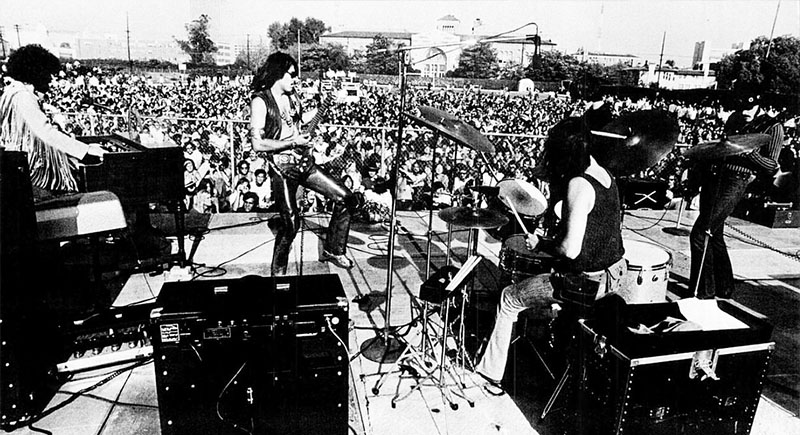
This song wasn’t written for bikers, but its inclusion in Easy Rider made it a symbol of counterculture freedom. Its loud, unapologetic sound made it instantly popular. Lyrics like “Looking for adventure,” really captured the restless energy of those breaking away from conformity.
“The Sound of Silence” by Simon & Garfunkel
Credit: Wikimedia Commons
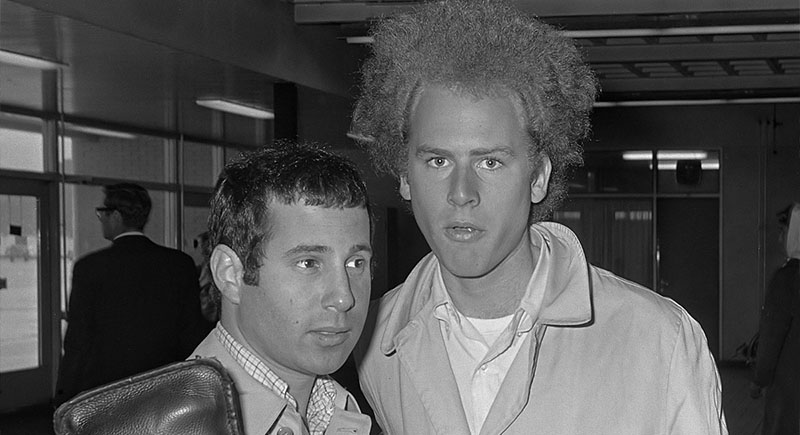
What’s fascinating about this song is how it initially flopped upon its release. However, when it was later reworked with electric instruments, it became a hit. Its lyrics about miscommunication and isolation resonated with listeners growing up in a world that was becoming increasingly disconnected.
“Dancing in the Street” by Martha and the Vandellas

Credit: Wikimedia Commons
This 1964 Motown hit captured the joy of gathering together during the heat of summer. Its upbeat energy made it a favorite at parties and events. Play it among any crowd, and you could feel it plugging energy.
“Purple Haze” by Jimi Hendrix
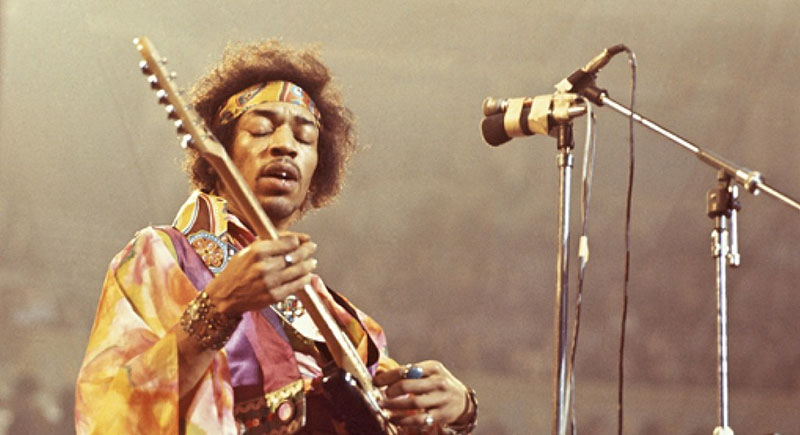
Credit: Wikimedia Commons
This track defied conventions with its otherworldly guitar riffs and cryptic lyrics. Hendrix’s groundbreaking guitar work, one that felt completely new at the time, stunned listeners. It was a declaration that music could be limitless and boundary-breaking.
“What a Wonderful World” by Louis Armstrong
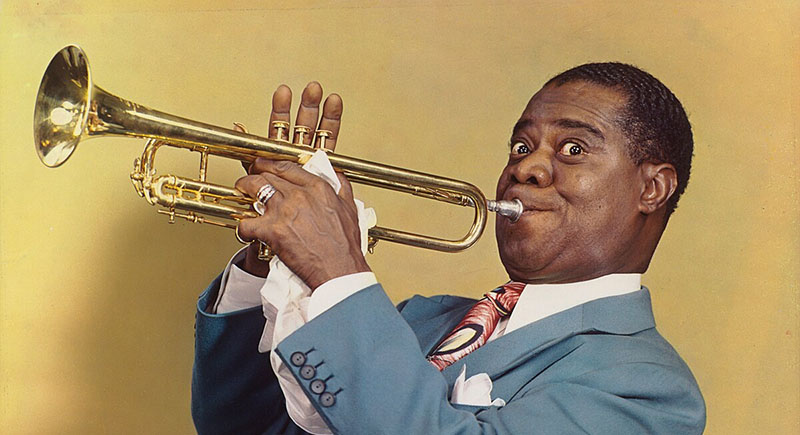
Credit: Wikimedia Commons
While many songs from the ’60s were all about rebellion, this one stood out for its quiet celebration of life. Armstrong’s gravelly voice added depth to simple lyrics about everyday beauty. Essentially, it offered a soothing counterbalance to the chaos around it.
“Like a Rolling Stone” by Bob Dylan
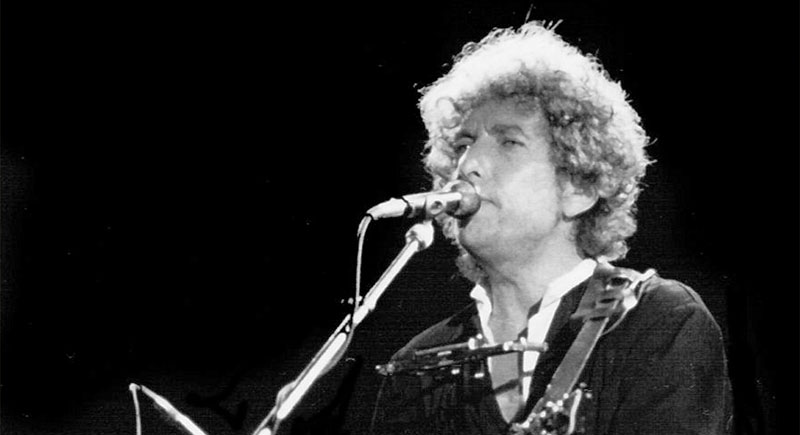
Credit: Wikimedia Commons
The song challenged traditional ideas of what pop music could be. Its six-minute length, biting lyrics, and free-form structure set it apart from the polished hits of the time. It reflected the frustrations and uncertainties of those questioning their place in a rapidly changing society.
“Hey Jude” by The Beatles
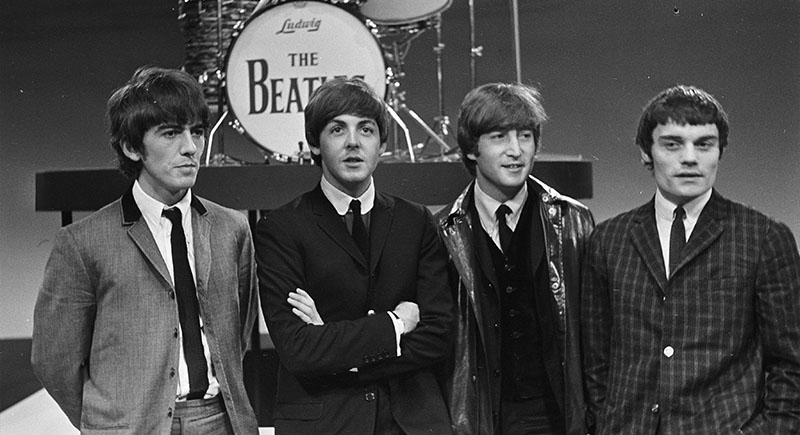
Credit: Wikimedia Commons
Unusually long for a pop song, “Hey Jude” was a singalong classic. It was inspired by Paul McCartney’s effort to comfort Julian Lennon during his parents’ divorce. The repetitive chorus could create a sense of unity and communal experience.
“Bridge Over Troubled Water” by Simon & Garfunkel
Credit: Wikimedia Commons
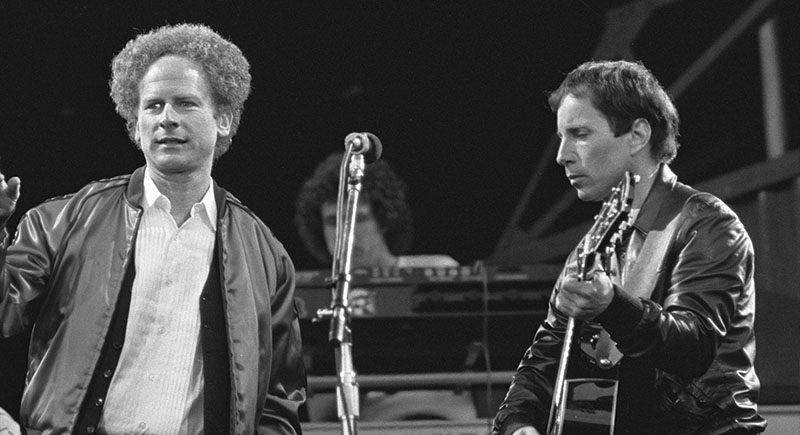
This song is a promise of support during hard times. With lyrics like “I will ease your mind,” it became a source of strength for many. Listeners all around found comfort in its gentle melody and heartfelt message of friendship and solidarity.
“Hotel California” by Eagles

Credit: Wikimedia Commons
This song’s cryptic lyrics and atmospheric guitar solos sparked countless interpretations. Was it about excess, addiction, or the music industry? Its main appeal lies in its ambiguity and the way it invites listeners to find their own meaning.
“My Girl” by The Temptations
Credit: Wikimedia Commons
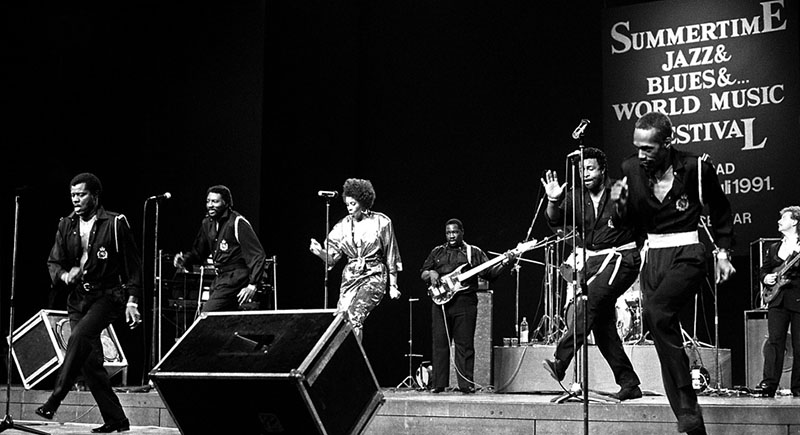
This Motown song didn’t rely on complexity to win hearts. Its sweet lyrics and smooth harmonies captured the pure joy of being in love. Written by Smokey Robinson, it became a defining song of the ’60s, that could represent the warmth and accessibility of Motown’s signature sound.