14 Brutal Truths About Living Alone When You’re Older
Living alone in your later years isn’t all peace and quiet. Yes, there’s freedom, but also a surprising number of solo responsibilities that sneak up on you. Without a second set of eyes, ears, or hands around, everyday life shifts in subtle ways.
Here are the realities that aren’t often discussed but are deeply felt.
You’re Your Own Safety Net

Credit: iStockphoto
There’s no one to double-check if the door’s locked or remind you where the flashlight is during a blackout. You’re the one making the emergency plan, and hopefully sticking to it. Emergencies require forethought, such as carrying your phone at all times, using smartwatches, or installing a key lockbox for surprise visitors.
Loneliness Takes New Forms

Credit: Getty Images
Even introverts have a threshold. As friends move away or pass on, and family dynamics shift, social isolation creeps in slowly. You start missing shared glances during a funny commercial or someone to sigh at the news with.
Physical Movement Becomes a Choice

Credit: Canva
When no one drags you to the store or suggests a walk, it’s easy to stay put. One man shared that he didn’t realize how little he moved until walking down a nearby grocery store felt like a chore.
Cooking Feels Optional—But It Shouldn’t Be

Credit: Getty Images
Without someone to cook for, meals can feel like an effort with no reward. Many turn to frozen food or delivery. But others have reframed solo cooking as care, not chore. Small, nourishing meals, even basic soups or stews, can help reinforce that your needs matter, even when no one else is watching.
House Maintenance Grows Heavier

Credit: akaratwimages
The dishwasher stays full longer, the leaves don’t rake themselves, and don’t even mention the ceiling fan dust. Tasks continue to multiply in silence. Many eventually hire help or switch to low-maintenance setups because energy conservation becomes a real strategy.
Time Becomes Fluid

Credit: iStockphoto
Without work or someone else’s routine to mirror, days begin to blend. One retired teacher joked that “Tuesday” started feeling imaginary. Anchoring tasks to specific days, such as watering plants on Mondays and groceries on Fridays, gives time a bit of shape again. Otherwise, it becomes all too easy to lose track of it completely.
Unexpected Expenses Feel Heavier

Credit: Canva
When you live alone, every repair, medical bill, or utility hike lands squarely on your shoulders. There’s no one else to split costs with, so even minor expenses can feel overwhelming. For many, the worry about outliving savings or not being able to cover an emergency becomes a constant stress.
Social Invites Shrink

Credit: pixelshot
As peers become busy or move away, gatherings become less frequent. Some people realize too late that friends didn’t bother to ask. One woman in her seventies started hosting Saturday walks at the park. It wasn’t grand, but people came, and her circle grew again on her terms.
Health Changes Are Easy to Miss

Credit: Canva
Without anyone around daily, early signs of health issues may go unrecognized. You may only realize how stiff you’d become if you struggle to climb stairs or put on socks. Regular appointments, health tracking apps, or even phone check-ins can help spot patterns before they become problems.
Motivation to Care for Yourself Fluctuates

Credit: pexels
There’s no audience, so pajamas linger longer, and brushing your hair starts to feel optional. That slippery slope is real. Some build a gentle structure around getting dressed before breakfast and making the bed even when no one will see it. These small acts are important to restore a sense of self.
Meals and Medications Need Intentional Planning

Credit: pixelshot
Nobody asks, “Did you take your pill?” or “Want to split dinner?” One retired nurse uses color-coded containers for her medications and meal preps on Sundays, even if it’s just for herself. The act of planning becomes its own form of accountability.
The Weight of Decision-Making Builds
Credit: Getty Images
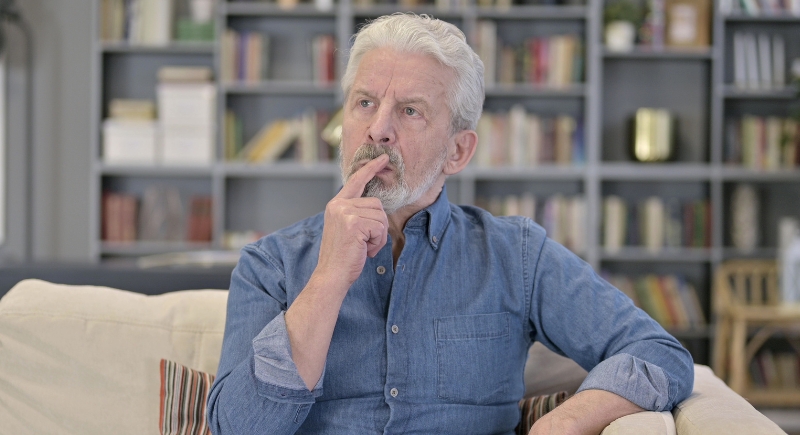
There’s no one to bounce ideas off about that suspicious leak in the ceiling or whether to refinance the house. The mental clutter grows quickly. Some find relief in outsourcing parts of the load.
Technology Becomes Both a Bridge and a Barrier

Credit: pixelshot
Ordering groceries online and using a tablet to FaceTime the grandkids sounds excellent, but keeping up with passwords and updates is not always simple. Staying connected takes effort, especially when the tools change constantly.
Sleep Patterns May Shift Unpredictably

Credit: pexels
Without external cues like a partner’s bedtime or daytime obligations, sleep can become irregular. Some find themselves waking at odd hours or staying up far too late. A few adopt inconsistent habits that leave them feeling tired during the day.
Paperwork Becomes a Burden
Credit: Getty Images
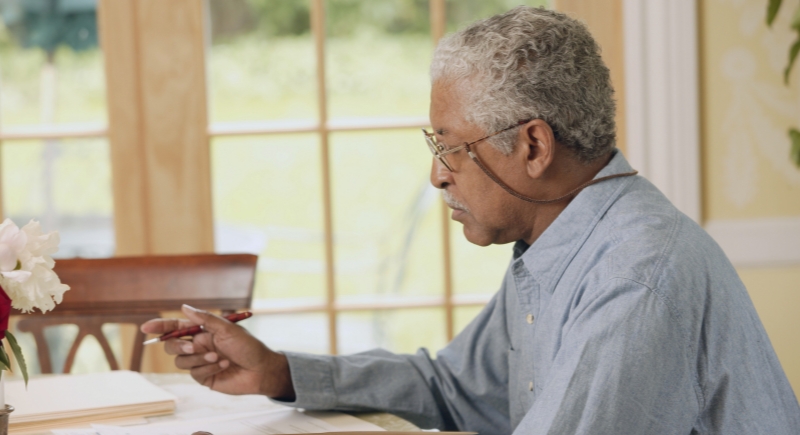
Taxes, insurance renewals, medical forms—none of them disappear. To avoid the load increasing, it’s recommended to create a binder labeled “What My Kids Should Know” with passwords, instructions, and key documents. This is an excellent way to gain control by organizing a part of your life that often feels endless and chaotic. Some older adults even create “when I’m gone” folders to ease the burden on loved ones later.