Transform Your Health with These 10 Healing Foods
Healthy eating means choosing foods that actively help your body recover, regulate, and function at its best. These ingredients won’t fix everything overnight, but research continues to show how consistently they support immune response, gut health, hormone balance, and long-term resilience.
Here are some practical, everyday foods that deserve a regular spot in your routine.
Yogurt With Live Cultures

Credit: Canva
Eating yogurt with live cultures can improve your gut’s bacterial balance, which directly impacts digestion and inflammation. Probiotics like Lactobacillus and Bifidobacterium assist in strengthening the intestinal lining and making nutrient absorption more efficient. Plain, unsweetened varieties offer the most benefits without excess sugar, and they work well in both savory and sweet meals.
Cruciferous Vegetables
Credit: Getty Images
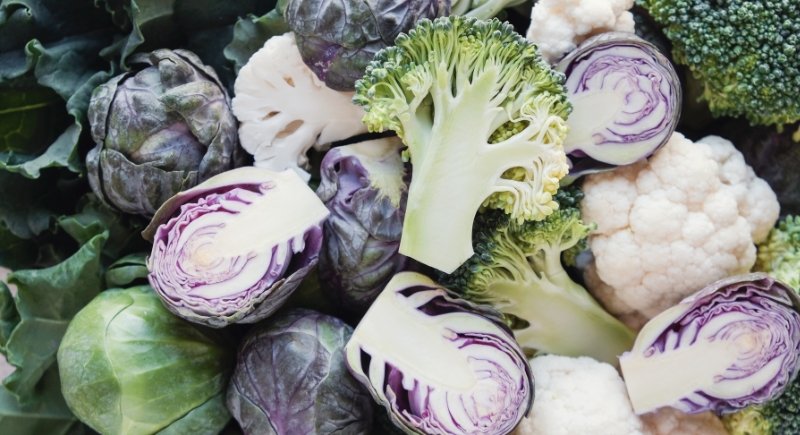
Broccoli, cabbage, kale, and Brussels sprouts belong to the cruciferous vegetable family. They carry glucosinolates, which your body converts into isothiocyanates—compounds shown to reduce inflammation and improve cellular detoxification. These vegetables also provide fiber and vitamin C. Studies link regular consumption to lower risks of certain cancers.
Fatty Fish like Salmon
Credit: pixabay
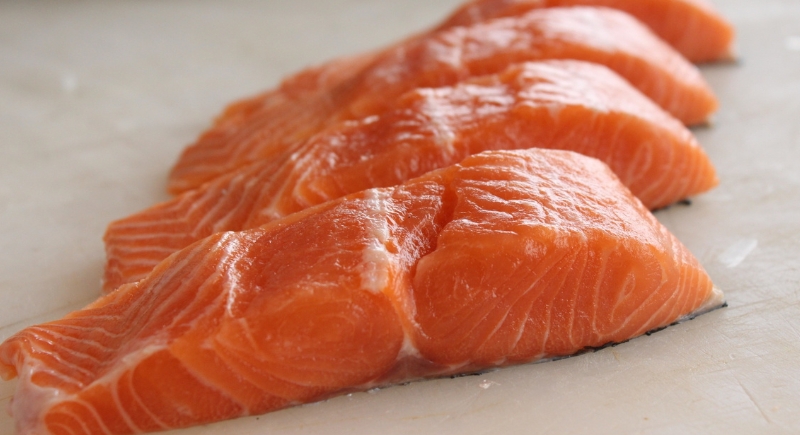
Salmon plays a critical role in reducing chronic inflammation. It’s rich in omega-3 fatty acids EPA and DHA, which benefit joint health, cardiovascular function, and brain signaling. People who avoid fatty fish tend to have lower levels of these fats, which can contribute to fatigue, mood issues, and slower recovery.
Dark Leafy Greens

Credit: Getty Images
Without enough magnesium and vitamin K, bone density and muscle function begin to decline, especially with age. Dark leafy greens such as spinach and Swiss chard consist of both. They also aid red blood cell production through their folate content. People who rarely eat greens often miss out on these essential micronutrients.
Nuts And Seeds

Credit: Getty Images
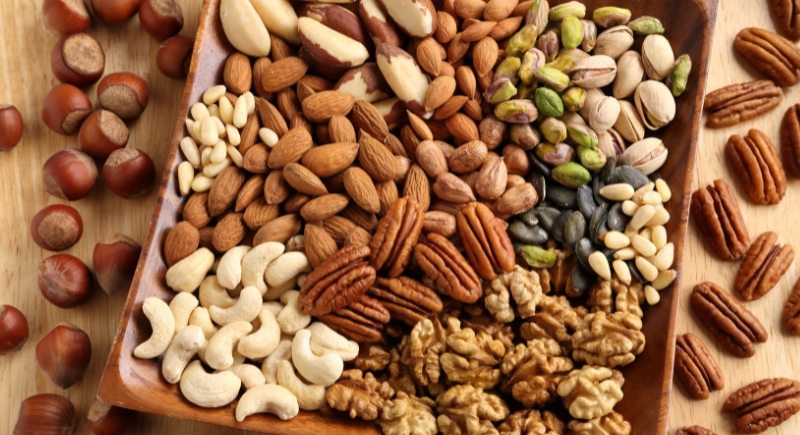
A 2021 meta-analysis found that people who eat nuts tend to have lower risks of type 2 diabetes and heart disease. You also don’t need a large quantity. Just a handful each day—added to yogurt, salads, or eaten plain—provides steady support for multiple body systems.
Beans And Lentils
Credit: pexels
Add beans to salads, soups, or wraps, and stir cooked lentils into rice or roasted vegetables for a fast, filling meal. All such ingredients offer protein, fiber, folate, and complex carbohydrates—all important for digestion and energy. They feed good gut bacteria and stabilize blood sugar.
Berries

Credit: pixabay
You might not notice immediate effects, but excluding fruits like berries means missing out on compounds that protect your cells from oxidative stress. Blueberries and strawberries include antioxidants that enhance memory, vision, and cardiovascular health. They’re also high in vitamin C, which helps with collagen production and immune response.
Whole Grains
Credit: kstudio
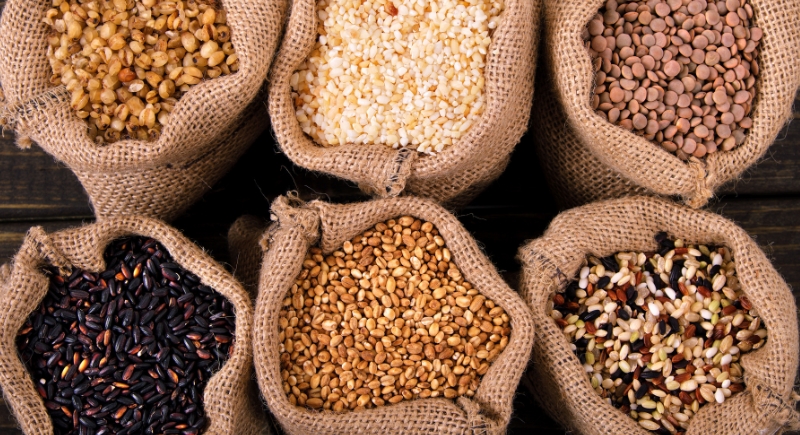
What most people do not know is that whole grains maintain blood sugar stability and digestive regularity. Diets that rely heavily on white bread and rice lack this fiber, which can lead to irregular digestion. So, try to start your day with oatmeal or switch to whole grain pasta at dinner.
Eggs

Credit: Canva
If you often feel low on energy or mentally foggy, a lack of vitamin B12 could be part of the problem. Eggs contain B12, along with selenium, choline, and high-quality protein. Choline contributes to brain and liver function, while protein helps with muscle repair. Scramble them with spinach, bake them into muffins, or boil a batch ahead for easy, portable snacks during the week.
Fermented Foods Like Kimchi

Credit: Getty Images
The bacteria introduced through fermentation restore microbial balance in the gut. Kimchi, sauerkraut, and kefir supply lactic acid bacteria, which have been shown to improve digestion and strengthen immune barriers. These foods can reduce symptoms like gas, bloating, and irregularity.
Sweet Potatoes

Credit: Canva
For those avoiding nutrient-dense carbs like sweet potatoes, it’s easy to fall into a cycle of energy crashes and poor recovery. Refined starches offer quick fuel but little else, while sweet potatoes provide fiber, slow-digesting carbs, and beta-carotene. The body then processes beta-carotene and converts it into vitamin A, which encourages immunity, eye health, and skin repair.
Shellfish

Credit: Getty Images
Including oysters or clams in your meals once in a while can fill important nutrient gaps, especially if you don’t eat much red meat. These shellfish are one of the primary sources of zinc, which plays an important role in tissue repair. Six oysters provide more than triple the daily zinc requirement.
Herbs And Spices
Credit: Getty Images
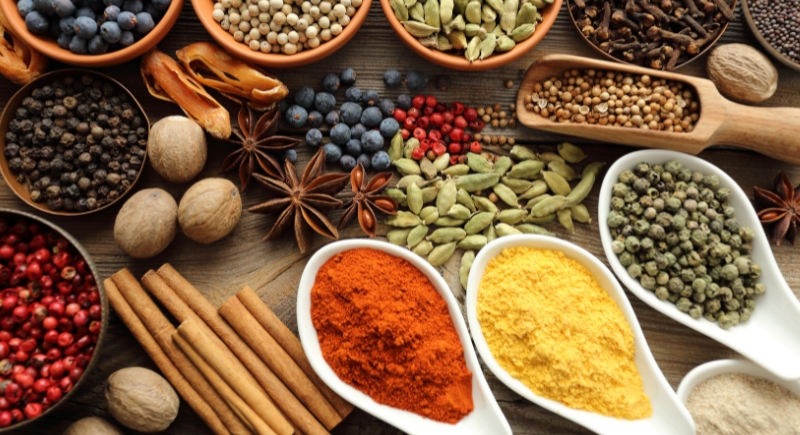
Turmeric includes curcumin, a compound studied for its anti-inflammatory properties. Ginger and cinnamon also offer benefits—ginger aids with nausea, while cinnamon may assist in stabilizing blood sugar. These spices provide subtle aid without needing large amounts. You can add them to teas, marinades, or simple stir-fries.
Dark Chocolate

Credit: Getty Images
According to research, regular consumption of high-cocoa dark chocolate improved vascular function in middle-aged adults. The key compounds are flavanols, which reduce blood pressure. A small square or two is enough to see potential benefits. Choose bars with at least 70% cacao and minimal added sugar.
Fortified Dairy or Plant Milks

Credit: Getty Images
Skipping fortified milk can leave you low on calcium and vitamin D, two nutrients that work together to maintain strong bones and steady muscle function. Over time, deficiencies may lead to fatigue, weakened defense, or reduced bone density. Fortified dairy and plant milks offer a convenient way to cover these gaps, especially during low-sunlight months.