The Real Reason Trader Joe’s Produce Is So Cheap
Trader Joe’s makes it surprisingly easy to fill your cart without feeling the pinch. The produce and other everyday basics come in at a lower price than most big-name stores. It feels like you’re getting more for less, and there’s a smart system behind it all that keeps costs down without sacrificing quality.
Private-Label Majority
Credit: Wikimedia Commons
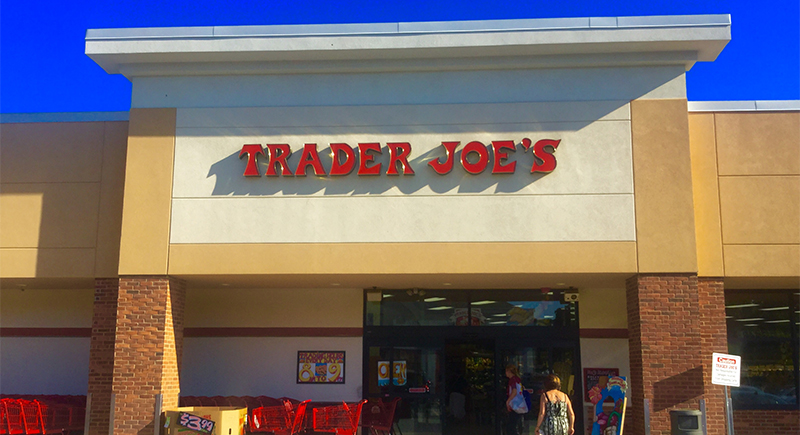
Trader Joe’s sells about 80-85% of its products under its own brands. This strategy cuts out national brand middlemen and allows them to negotiate directly with suppliers. They set prices significantly lower than name-brand items because they control the entire process from sourcing to shelf.
No Slotting Fees
Credit: flickr
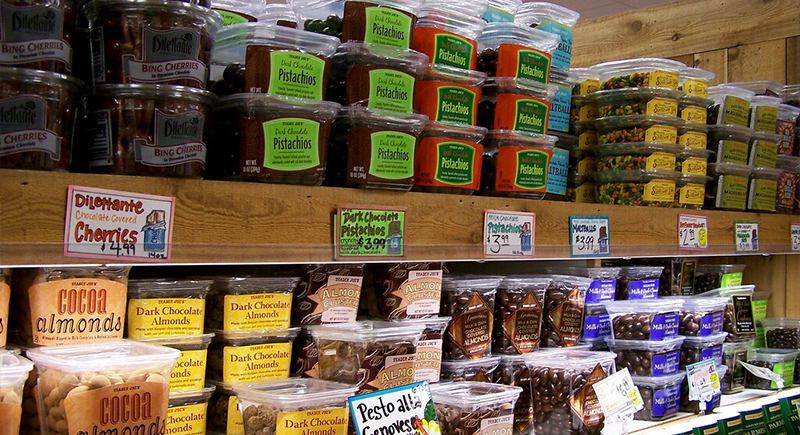
Unlike most grocery chains, Trader Joe’s doesn’t charge suppliers for prime shelf space. This avoids tens of thousands in hidden costs per product, which other stores often pass on to customers. By skipping these fees, Trader Joe’s maintains fairer prices and builds customer trust through transparency rather than costly placements.
Compact Store Design
Credit: flickr
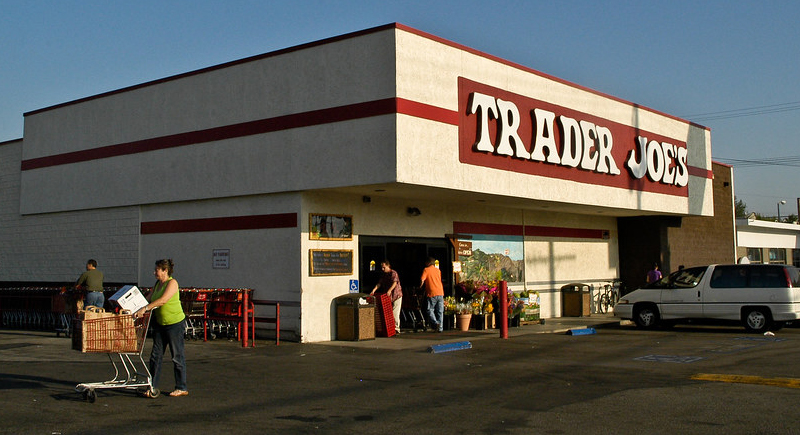
Most Trader Joe’s stores are significantly smaller than typical supermarkets, usually 10,000 to 15,000 square feet. This compact layout saves big on rent, utilities, and general upkeep. These operational efficiencies translate directly into lower product pricing.
Streamlined Staffing
Credit: flickr
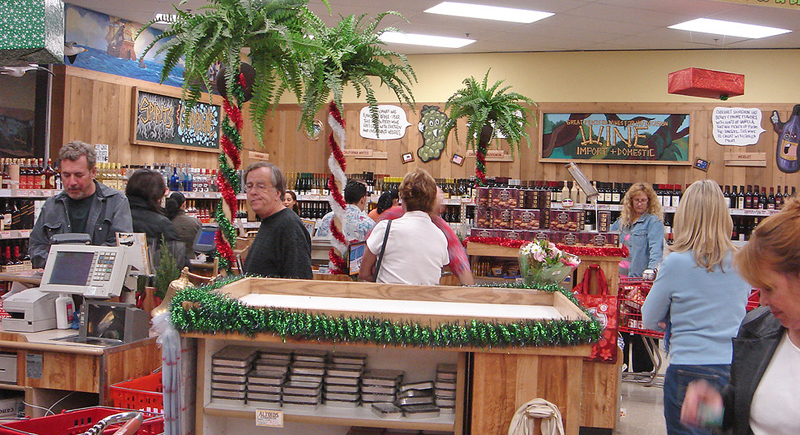
Trader Joe’s keeps staffing lean by not having in-store butchers, bakers, or delis. Instead, employees are cross-trained for multiple tasks. This efficient labor model significantly reduces payroll expenses.
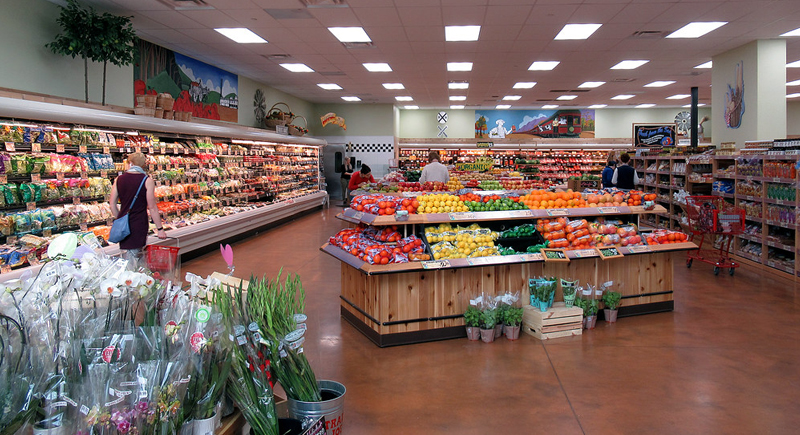
Focused Inventory
Credit: flickr
With only about 4,000 unique products, Trader Joe’s offers a highly curated selection, unlike typical grocery stores carrying 50,000 or more. This focused inventory means faster product turnover and less unsold stock.
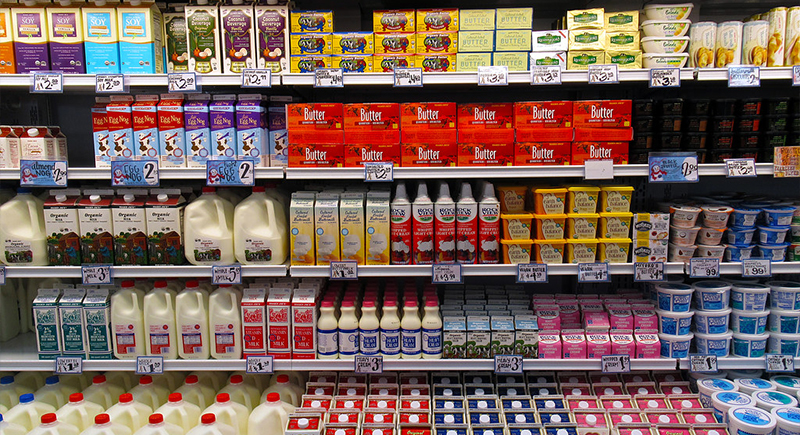
Bulk Purchasing Strength
Credit: flickr
By carrying fewer product variations, Trader Joe’s can place massive orders for specific items and thus secure significant volume discounts from suppliers. These economies of scale reduce the per-unit cost of products.
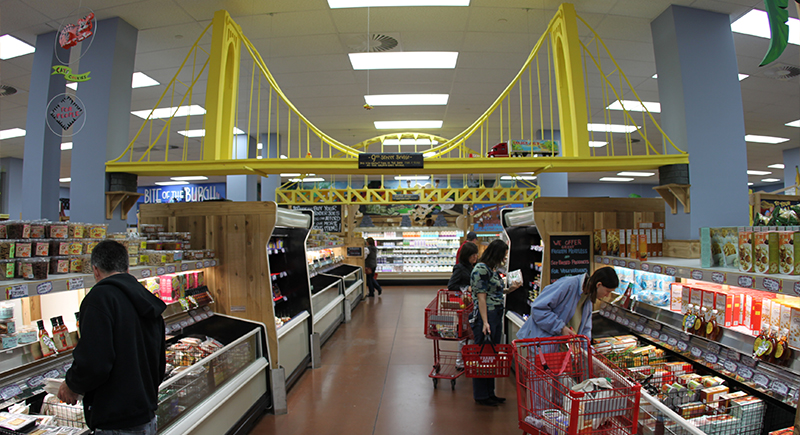
Efficient Supply Chain
Credit: Wikimedia Commons
Trader Joe’s uses a direct supply chain: products move from suppliers to central distribution centers, then straight to stores. This bypasses extra distributor layers, reduces waste, and simplifies logistics.
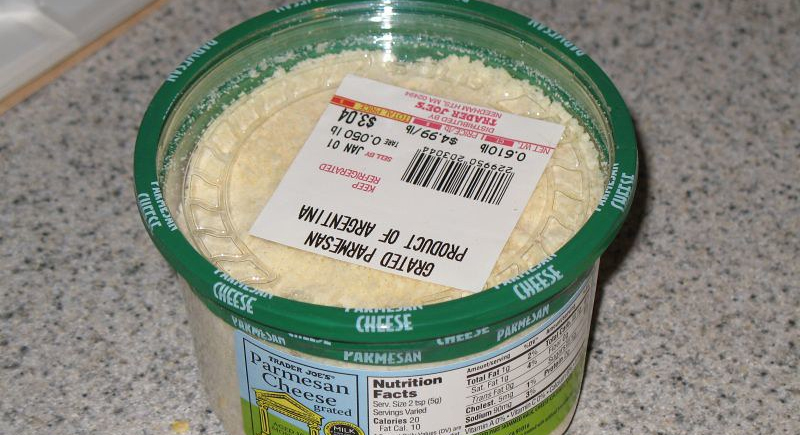
Dynamic Pricing Model
Credit: flickr
Trader Joe’s reacts quickly when their input costs drop by lowering shelf prices almost immediately. This isn’t a common practice among all retailers. Their agile pricing strategy ensures that any savings they secure from suppliers are promptly passed on to customers.
Light Marketing Approach
Credit: flickr
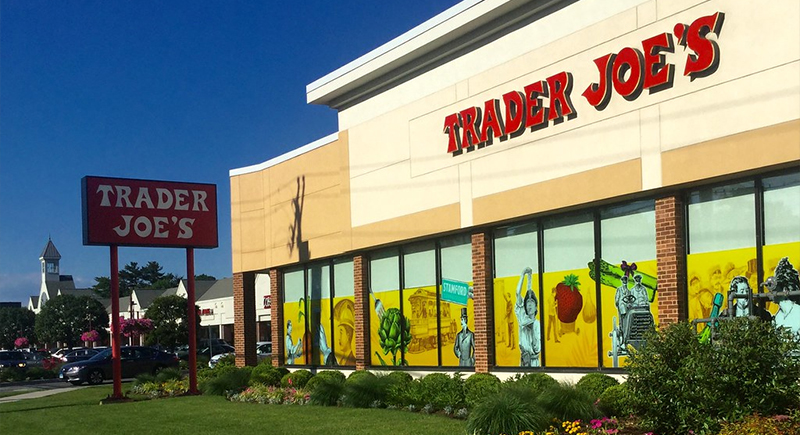
You won’t see Trader Joe’s spending on Super Bowl ads or huge influencer campaigns. They rely heavily on word-of-mouth and their unique, quirky in-store experience. By skipping expensive ad agencies, they keep overhead low and prices friendly.
Fearless Flyer Newsletter
Credit: Instagram
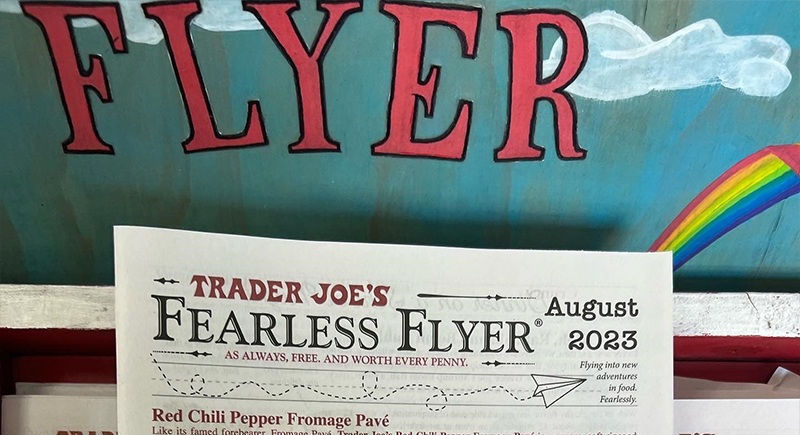
Their distinctive “Fearless Flyer” newsletter is a key marketing tool. It uses a playful tone to introduce new products and offer tips. Compared to traditional advertising, it’s inexpensive to produce and generates excitement organically.
In-Store Sampling Culture
Credit: flickr
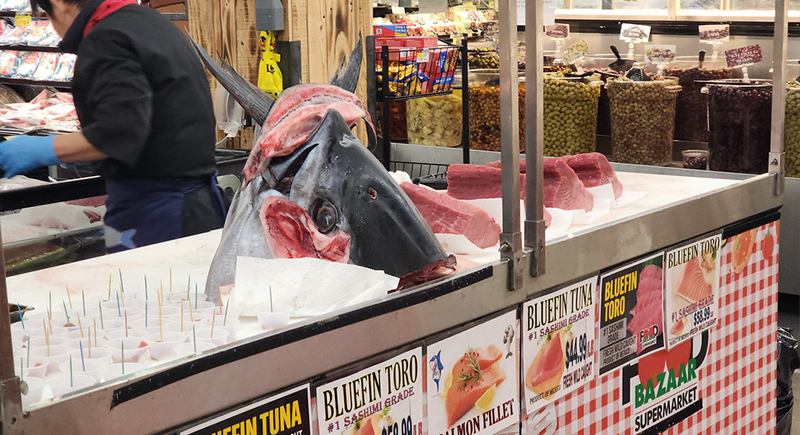
Trader Joe’s encourages customers to try products through regular in-store tasting stations. This interactive approach helps drive sales naturally, without needing expensive advertising campaigns. It also builds brand loyalty and encourages purchases.
Minimalist Store Aesthetics
Credit: Reddit
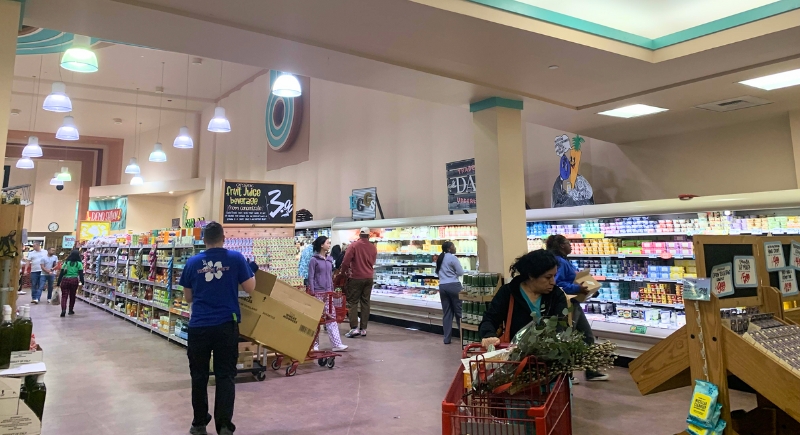
Trader Joe’s stores feature simple decor, energy-efficient lighting, and products often displayed directly in their shipping boxes. This no-frills approach avoids expensive fixtures and excessive design costs. The minimalist look is a budget-friendly decision.
Global Sourcing Network
Credit: flickr
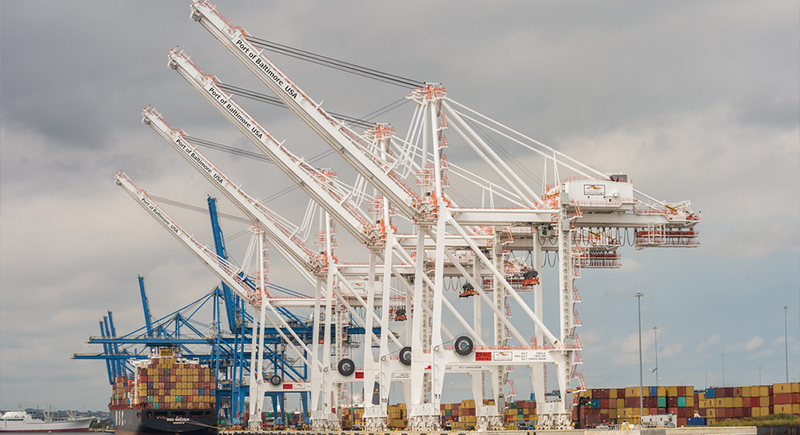
Trader Joe’s partners with producers worldwide by actively seeking out regions where production costs are lower. This global sourcing network allows them to secure competitive deals on a vast range of items, from specialty olive oils to frozen organic fruits.
Anonymous Supplier Model
Credit: Wikimedia Commons
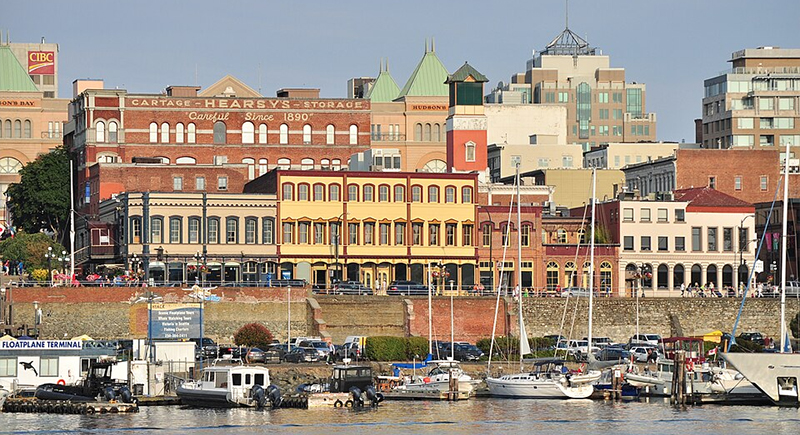
Trader Joe’s keeps the identities of its suppliers confidential. This anonymity fosters intense price competition among producers, as they can’t rely on brand recognition for sales. Suppliers bid harder on quality and cost, knowing their product will be sold under the Trader Joe’s label.
Quality-First Vetting
Credit: Getty Images
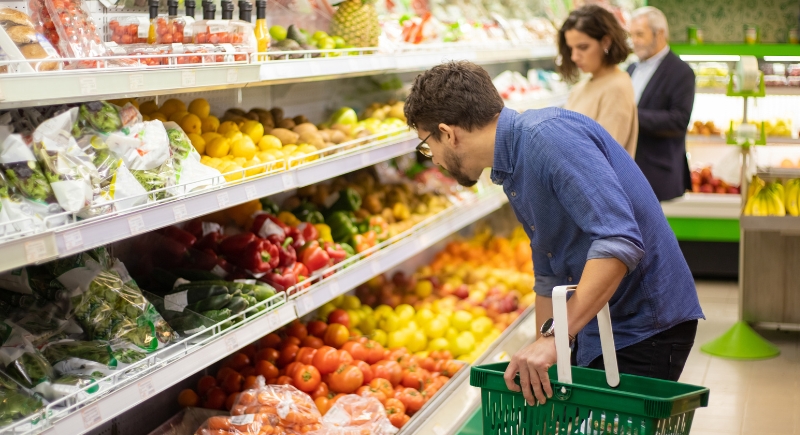
Every potential new product at Trader Joe’s undergoes rigorous internal tasting panels. If an item doesn’t meet their strict quality and taste standards, it simply doesn’t make it to the shelves. This meticulous vetting process ensures they only stock fast-selling, high-quality items while avoiding waste and optimizing valuable shelf space.