This Restaurant Cooks Your Pizza Using Real Lava From a Volcano
On the edge of one of Central America’s most active volcanoes, a small restaurant is doing something few kitchens ever attempt. At Pizza Pacaya in Guatemala, pizzas are cooked using the natural heat of the Pacaya Volcano itself. There are no ovens, flames, or electricity involved. Instead, chefs rely on the intense heat stored in volcanic rock, which gets hot enough to bake dough, melt cheese, and crisp crusts within minutes.
Pizza Pacaya Turns a Volcano Into a Kitchen
Pizza Pacaya is the creation of chef Mario David García Mansilla, a Guatemalan cook who grew up near Pacaya Volcano and spent years observing how locals and visitors interacted with the landscape.
Pacaya rises approximately 8,200 feet above sea level and is located south of Guatemala City. It has remained active since 1961, producing mostly slow-moving lava flows that can still pose serious risks but are often monitored closely by authorities.
Rather than placing food directly into molten lava, García developed a controlled cooking method that relies on radiant heat from volcanic rock. Pizzas are cooked near hardened lava formations and natural lava caves created by earlier eruptions. These structures retain intense heat, functioning much like open-air ovens.
Beneath the insulated crust of these lava formations, temperatures can reach around 800°C, or 1,472°F, making careful placement and timing essential.
How Cooking With Lava Actually Works
The phrase “lava-cooked pizza” often conjures dramatic images of food dropped straight into glowing magma, but the reality is far more precise.
García works in areas shaped by older lava flows, where the heat stays strong and predictable. The pizzas are cooked by radiant heat that moves evenly around the dough, rather than by directly touching molten rock.
Early attempts were far from perfect. García has said his first pizzas emerged completely black and inedible. Through repeated experimentation, he learned how long pizzas should bake, how thick the dough needed to be, and how to read subtle variations in heat from one spot to another.
Today, a pizza typically finishes in just a few minutes, with a crisp crust, bubbling cheese, and light charring comparable to a traditional wood-fired oven.
From Curiosity to Destination Dining
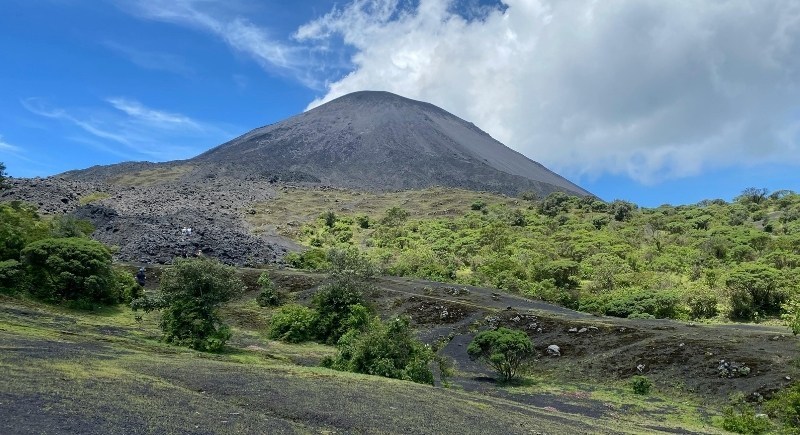
Image via Pexels/Daniel Gonzalez
García first began experimenting with volcanic cooking around 2013 after noticing tour guides roasting marshmallows using the volcano’s heat. It took nearly six years of trial and error before Pizza Pacaya formally opened in 2019. What began as a personal experiment gradually evolved into a distinctive experience for adventurous visitors.
Guests hike up the volcano with trained guides, carrying ingredients and equipment as part of the journey. Many reservations include a guided trek lasting roughly 90 minutes each way, making dinner a full volcanic experience.
Prices often start around $175 per person, reflecting the guided hike, safety oversight, and the rarity of dining on an active volcano.
Safety on an Active Volcano
Pacaya is sometimes described by volcanologists as relatively “friendly” due to its typically slow lava flows, but it remains unpredictable.
Pizza Pacaya operates only when conditions are considered suitable, and García closely follows daily updates from Guatemala’s official volcanology and meteorology authorities. He also relies on experienced local guides who know the terrain well.
Cooking near active lava requires protective gear and specialized tools. Sulfur gases, unstable rock, and sudden changes in volcanic activity are constant concerns. Operations pause during periods of increased activity, including eruptions that last occurred in 2021.
Volcanic Pizza Tastes Different
Cooking with volcanic heat does not add lava or minerals to the pizza, but it creates a unique cooking environment. The intense heat cooks pizzas quickly, setting the crust and melting cheese in a short window of time.
According to García, the difference comes from the speed and balance of the cooking process rather than from any direct interaction with lava.
The menu focuses on simple ingredients such as tomato sauce, cheese, and meat, allowing technique and texture to take center stage rather than novelty alone.
A Rare Blend of Food, Science, and Adventure
Scientists and volcanologists have long treated cooking over lava as a novelty or fieldwork curiosity, but Pizza Pacaya stands out for turning the idea into a repeatable dining experience. Doing so requires constant judgment, deep local knowledge, and respect for a volatile environment.
For Mario David García Mansilla, the project represents both culinary creativity and personal fulfillment. Many diners describe the experience as unlike anything they have encountered elsewhere.
On the slopes of Pacaya, one chef has shown that patience, experimentation, and careful planning can transform an active volcano into a working kitchen.