This Late-Night Snack Might Be Messing With Your Dreams
Late-night snacking feels harmless for most people, but research suggests it can sometimes follow you into sleep. In large Canadian student surveys, about a third of participants reported frequent nightmares, and many linked those experiences to what they ate in the evening. Rather than pointing to stress alone, the findings suggested that food choices made before bed may influence how the night unfolds.
When researchers asked participants what seemed to disrupt their sleep, one category of snack came up again and again. The pattern suggests that the issue often starts with digestion, then carries over into dreaming once the body has settled down. For some people, what happens in the gut does not stop there.
The Snack Suspect

Image via Canva/Africa images
Researchers noticed that the participants who ate cheese and had lactose intolerance were more likely to report nightmares or intense dream themes. The link was not subtle. About a third of people surveyed experienced regular nightmares, and some blamed a specific food, pointing to dairy products.
Studies that monitored sleep quality also showed that individuals with dairy sensitivities reported more gastrointestinal symptoms at night. Scientists studying sleep stages say the mind often pulls in physical sensations, which helps explain why an irritated digestive system can influence the tone of dreams. These disruptions make dreams feel sharper because frequent awakenings boost recall.
The Importance of an Evening Routine
Researchers who examined nighttime eating patterns found that heavy or fatty snacks pushed the body to work harder at the very moment it tried to cool down for sleep. Sleep specialists note that individuals who wake up throughout the night tend to recall more dream fragments, which can make bizarre or tense dreams feel more vivid.
Late meals can throw off internal rhythms. People who eat after dinner or wake during the night for a snack often report poorer rest on average. When dairy enters the picture, the body sometimes reacts with bloating or cramps, which further disrupts sleep cycles. These interruptions create ideal conditions for dream recall and emotional dream themes.
What Researchers Are Learning About Diet And Dreams
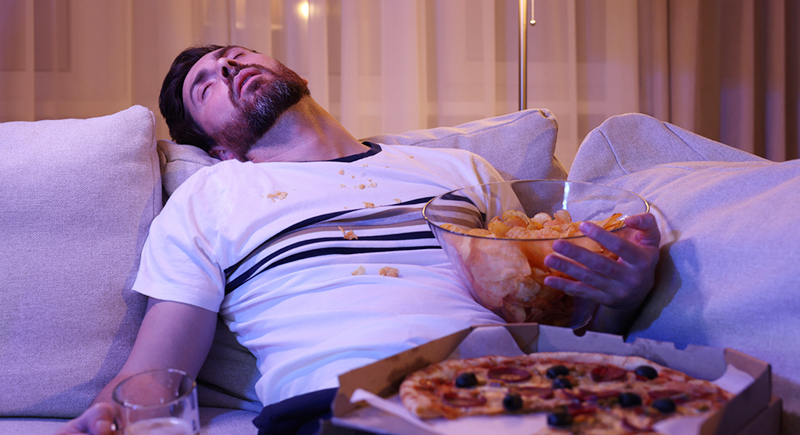
Image via iStockphoto/Liudmila Chernetska
Surveys at universities in Canada found that 40 percent of participants believed food affected their sleep. A smaller group linked food choices to dream tone, but many of them listed cheese as the troublemaker. People with healthier eating habits in the evening tended to sleep better and reported fewer negative dream themes. Meanwhile, those with irregular schedules or late-night cravings showed higher rates of dream disturbances.
Experts want to expand this research. They plan to run controlled studies where participants eat dairy before bed on some nights and a neutral snack on others. The goal is to measure shifts in sleep stages, dream recall, and discomfort.
A Simple Habit That Could Change Your Nights
Cheese has been part of bedtime folklore for decades, and survey data suggests the rumor gained traction because people consistently connect it with restless nights. The link is not mystical. It comes down to digestion, body temperature, sleep interruptions, and sensitivity to lactose. Those ingredients combine to create the perfect storm for vivid or unsettling dreams.
People who experience tense dreams or wake feeling oddly drained may benefit from adjusting the timing of their cheese cravings. The research suggests a simple shift in evening habits that could stabilize sleep patterns and reduce dream intensity. With more studies underway, cheese continues to hold a curious place in the world of sleep science, but for now, the late-night snack that comforts so many may also be stirring the mind in surprising ways.