This Diner Secret Makes Cheap Coffee Taste Like Gold
If you’ve ever poured a cup of diner coffee and noticed that sharp, burnt edge, you already understand why so many people reach for sugar or cream. Cheap coffee can taste flat, harsh, or overly bitter, especially when it’s brewed from bulk dark-roast beans and left sitting on a warming plate.
But before flavored syrups and specialty creamers became popular, many diners relied on a much simpler solution: adding a small pinch of salt.
The idea may sound unusual at first, but it has been used for decades. The goal is to reduce bitterness and bring out the smoother notes already present in the brew.
Why Salt Works
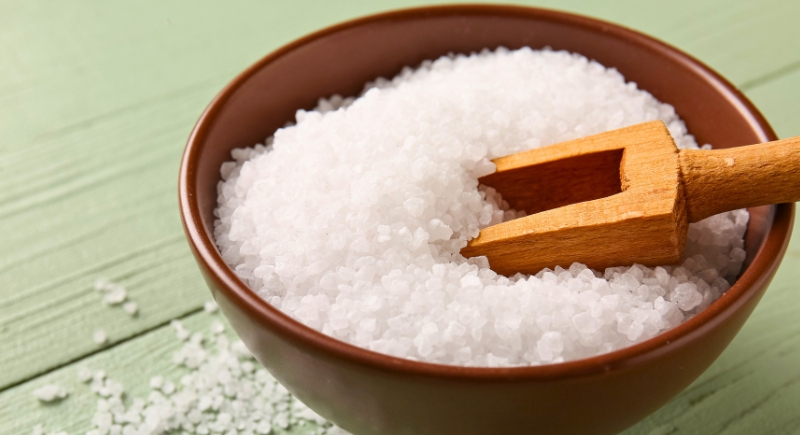
Image via Canva/pixelshot
Bitterness is one of the main challenges with inexpensive coffee. Lower-grade beans, particularly those with higher Robusta content, tend to produce stronger, more aggressive flavors. Dark roasting intensifies those compounds, and prolonged heat on a burner can make the cup taste even harsher.
Salt interacts with taste receptors on the tongue in a way that reduces the perception of bitterness. Sodium ions can suppress the bitterness of certain compounds, including those similar to quinine. When bitterness is toned down, the natural sweetness in coffee becomes more noticeable. The coffee does not become sweet in the way sugar would, but it often tastes rounder and more balanced.
Why It Helps Lower-Quality Coffee
Fresh, high-quality beans that are carefully roasted to highlight specific flavor notes may not need any help. However, diner coffee is usually brewed for consistency and volume. It often relies on darker blends that are economical and sturdy enough to sit in large pots.
Since inexpensive blends tend to carry more bitterness, they benefit most from this method. Used properly, the salt does not dominate the flavor but instead softens the harsh edges.
The Navy and Diner Roots
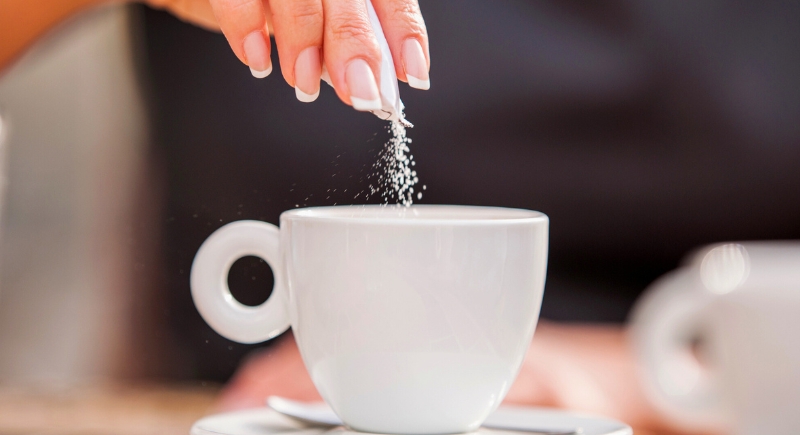
Image via iStockphoto/skynesher
The practice is not new. Sailors are said to have used salt in coffee when brewing with stored or mineral-heavy water on ships. Water kept in tanks develops a metallic or flat flavor, and coffee brewed under those conditions often becomes overly bitter. A small amount of salt can help counter those issues.
From there, the technique spread to home kitchens and roadside diners, where coffee was brewed in large batches and kept warm for extended periods. Today, the method has resurfaced online, often described as a viral trend.
How to Try It
The key is to use very little. For a standard drip machine that brews eight to twelve cups, about one-eighth of a teaspoon added to the grounds is usually enough. For a single cup, only a few grains are needed.
You can also stir a tiny pinch into a brewed cup, although adding it to the grounds before brewing tends to distribute it more evenly. You should not taste salt in the finished coffee. If you do, you have added too much. The goal is to reduce bitterness, not introduce a new flavor.