The World Is Confused by This Polish Pasta Dish That Locals Love
Some dishes feel familiar the second you hear about them. Others make you stop and read twice. A bowl of pasta topped with strawberries, sugar, and cream falls into that second category for many people online right now. It sounds unusual at first, almost like someone mixed up dessert and dinner.
In Poland, though, this simple summer dish is entirely normal. It’s the kind of food people grow up eating at home, especially when strawberries are in season. What surprises outsiders is simply tradition to locals, passed down and enjoyed for generations.
The Dish That Sparked Global Confusion
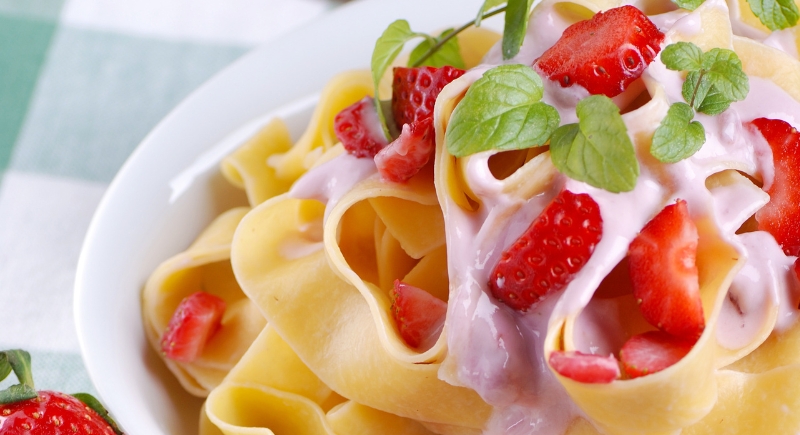
Image via Getty Images/al62
The dish is called makaron z truskawkami, which literally translates to pasta with strawberries. At its simplest, it is cooked pasta topped with mashed or sliced strawberries, sugar, and either sour cream or yogurt. It can be served warm, chilled, or somewhere in between.
Globally, pasta is strongly associated with savory flavors. Tomato sauce, cheese, garlic, olive oil, and meat. Even when pasta appears in sweet dishes elsewhere, it is usually clearly labeled as dessert. This Polish version exists in a space that feels unfamiliar to many people because it is often served as a main dish rather than a dessert.
When the dish started appearing in international food conversations and social media posts, reactions were immediate. Some people were fascinated. Others were genuinely confused. Many simply assumed it must be a modern internet trend. It is not.
Locals Love It
In Poland, this dish is deeply tied to summer and seasonality. Strawberries are abundant during peak season, and historically, families built meals around what was fresh and available. Pasta was affordable and filling. Sour cream or yogurt added richness and protein. Together, they created something simple, refreshing, and satisfying during warm weather.
For many Polish families, makaron z truskawkami is tied to school cafeterias, grandparents’ kitchens, and long summer afternoons. It is not viewed as experimental or unusual. It is viewed as comfort food.
That emotional connection explains why locals often react with amusement when the rest of the world labels it strange. To them, it is as normal as mac and cheese or peanut butter and jelly.
The Pop Culture Moment That Brought It Back
The dish recently reentered global conversation thanks in part to tennis star Iga Świątek. When asked about favorite meals, she casually mentioned pasta with strawberries, something she ate growing up.
Suddenly, people outside Poland were asking whether the combination was real, traditional, or just an athlete’s quirky preference. It turned out to be a part of Polish food culture for decades.
Once people get past the mental barrier, the flavor combination is less shocking than it sounds. Strawberries bring sweetness and acidity. Sour cream or yogurt adds tang and creaminess. Pasta acts as a neutral base, similar to rice or bread in sweet dishes.
If you think about foods like blueberry pancakes, fruit yogurt, or sweet cream sauces, the concept may feel more familiar. The dish lands somewhere between savory comfort food and a lightly sweet summer meal.
A Dish Shaped by History and Practicality
Food traditions often grow out of necessity. During the post-war and socialist periods in parts of Eastern Europe, families cooked using what was available and affordable. Seasonal fruit and simple starches were reliable ingredients.
Over time, what began as practical cooking turned into nostalgia cooking. The dish remained popular even after food scarcity ended because people genuinely enjoyed it.
Polish cuisine has long embraced a sweet-and-savory overlap. Fruit-filled dumplings, fruit soups, and sweet grain dishes are all part of the broader food culture.
The Comfort Food That Refuses to Be Weird
Image via Canva/pixelshot
Many cultures draw strict lines between sweet foods and main meals. When something crosses that boundary, it could feel wrong. But food history is full of these overlaps.
Early European pasta dishes sometimes included fruit before tomatoes became dominant. Many Asian cuisines regularly blend sweet, savory, and sour elements in main dishes.
For Poles, Makaron z truskawkami is about summer and family. It is fast to make and inexpensive, and that combination is often what creates lasting food traditions.