The Viral Olive Oil “Fridge Test”: What It Can Tell You And What It Can’t
Extra virgin olive oil has earned its reputation for flavor and health benefits, but the market is crowded with products that aren’t always what they claim to be. That uncertainty is part of why simple online “tests” caught on so quickly, especially the fridge method. It looks straightforward and promises a quick answer about quality. The reaction in cold temperatures, though, only tells part of the story, and the real picture is more layered than those viral posts suggest.
Why The Fridge Test Became Popular
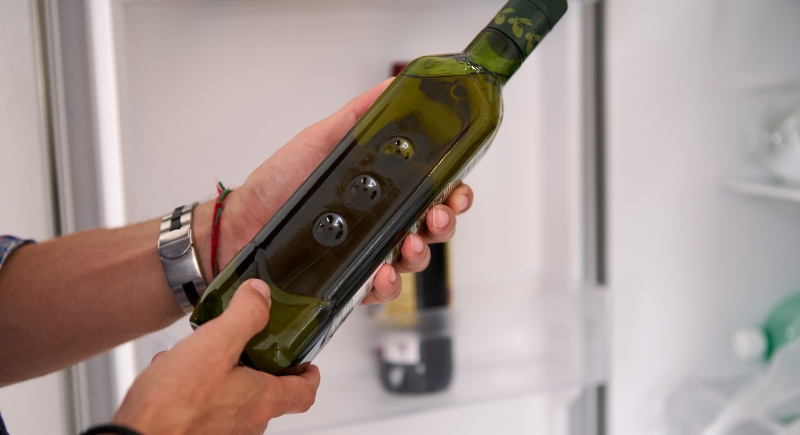
Image via iStockphoto/Taras Grebinets
The fridge test originated from the fact that extra-virgin olive oil contains mostly monounsaturated fats. Those fats solidify at cold temperatures, while many seed and vegetable oils remain liquid. That difference led to the belief that olive oil should solidify in the fridge, and anything that stays runny must be fake.
Some bottles do thicken or even turn solid when chilled, which keeps the idea alive. Videos and posts often point to that reaction as proof of purity. But the way olive oil responds to cold depends on many factors, not just whether the oil is authentic.
Not A Reliable Indicator
Olive oils vary by region, olive variety, and production method. Some producers filter out natural waxes to improve clarity and performance in cold environments, which can keep the oil liquid even when it is 100 percent genuine. Other oils may solidify because they contain compounds that react strongly to cold, not because they are more “real” than others.
Seed oils too may remain liquid in cold temperatures, but blending small amounts into olive oil does not always change the way the mixture reacts. This means an olive oil can appear to pass the fridge test even if it is not pure.
The test gives a reaction, but the reaction does not confirm authenticity in a dependable way. It is better viewed as an interesting experiment than a trusted method.
Better Ways To Evaluate Olive Oil At Home
Since the fridge test cannot offer a clear answer, looking at several markers together gives a more accurate picture of what you are buying.
Check The Label Details
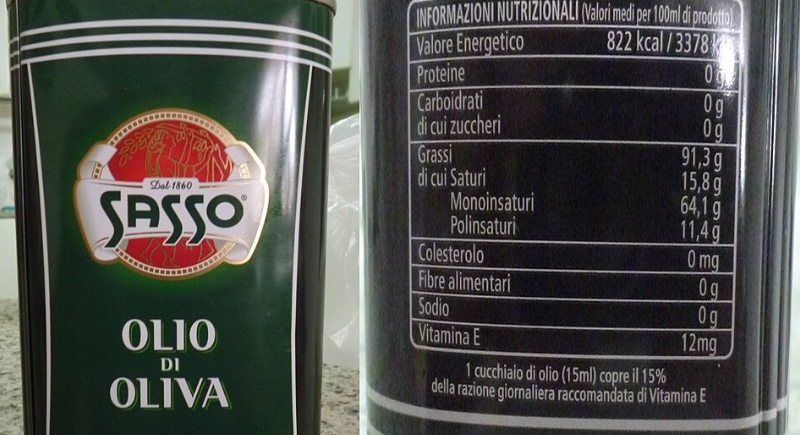
Image via Wikimedia Commons/Daniel Ventura
A bottle of real extra virgin olive oil should show a harvest date, an origin, and language that states “extra virgin.” Producers often list best-by dates within 24 months of bottling. A bottle with no information about source or harvest is harder to trust.
Look At Packaging
Extra virgin olive oil keeps its quality best in dark glass bottles or opaque containers. Transparent bottles allow light in, which speeds up deterioration. Plastic can let in air or interact with the oil. Many reputable producers use metal tins or dark-colored glass for this reason.
Assess Aroma And Flavor

Image via iStockphoto/DragonImages
Authentic extra virgin olive oil has a distinct aroma that may remind you of fresh herbs, fruit, or cut grass. It should taste lively and may have a peppery finish and slight bitterness, both signs of natural antioxidants. Oils that smell stale, waxy, or like old nuts are likely degraded or not extra virgin.
Observe Texture And Appearance
Fresh extra virgin olive oil often looks dense and slightly opaque, though it should still pour smoothly. Extremely clear, thin oils may be highly refined or processed. Keep in mind that color alone does not indicate quality; real oils range from golden to deep green depending on variety and harvest timing.
Store It Properly
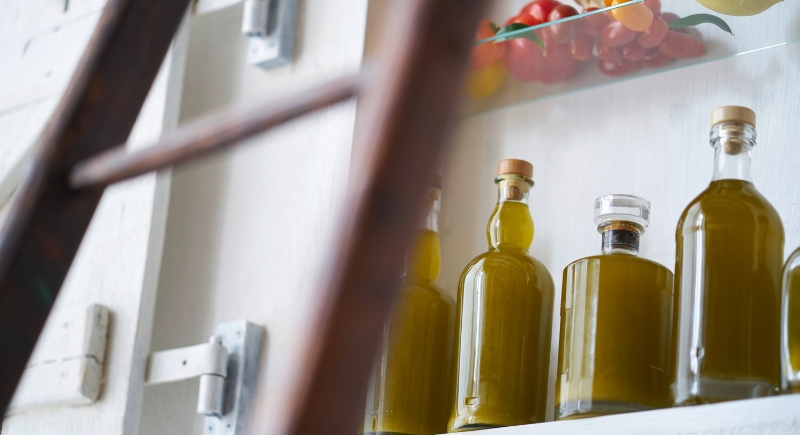
Image via iStockphoto/pascal malamas
Even authentic olive oil can lose flavor and quality if stored poorly. A cool, dark place is best. Refrigeration does not harm the oil, but it can cause condensation that lowers quality. If you keep a small amount on the counter, use an opaque container and refill it only with what you will use quickly.
Some Consumers Still Try The Fridge Test
Despite its limits, the test continues to spread because it feels simple and gives a visible result. Many people want reassurance, especially with reports showing that some imported oils do not meet stated quality standards. Nonetheless, the fridge reaction should never be taken as confirmation that an oil is real or fake. Real olive oil quality comes down to harvest practices, pressing methods, storage, and freshness.