The Viral Novel That Sends a Tradwife Influencer Back to 1855
Before many readers had even turned the first page, Yesteryear created conversation across social media and became the center of ongoing debates about tradwife culture. It starts with a social media star who has built an empire around traditional womanhood, only to wake up one morning to find herself living in a world where those traditions are no longer a carefully curated brand. Suddenly, the comforts, conveniences, and control she relies on have vanished.
A Tradwife With Millions Watching
At the center of Yesteryear is Natalie Heller Mills, a wildly successful influencer with eight million followers. Her online persona revolves around faith, family, homemaking, and life on a farm. To her audience, she represents an idealized version of traditional domestic life.
Natalie is also one of the more complicated protagonists to come along in recent fiction. She is ambitious, intelligent, sharp-tongued, and deeply invested in maintaining the image she has created. The version of herself shown online brings in money, attention, and influence. But behind the scenes, things are far less polished.
A Very Different Reality Awaits
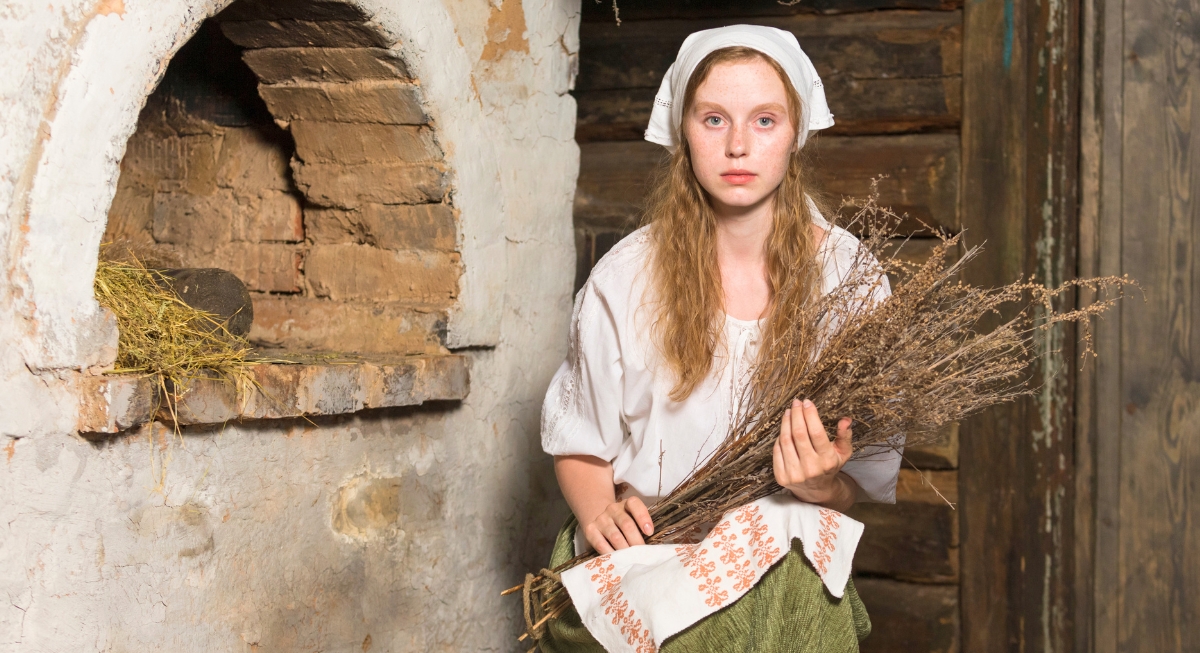
Image via Getty Images/dimamorgan12
The story takes a dramatic turn when Natalie wakes up in what appears to be 1855. Gone are the modern tools that make farm life manageable. There is no electricity, no running water, and no easy escape route. The farmhouse is unfamiliar, the children around her feel strangely distant, and daily survival suddenly requires skills that cannot be learned through social media content.
Natalie spends much of her time trying to understand what has happened to her. Is she trapped in some elaborate experiment? Has she actually traveled through time? Is something else going on entirely? Those questions help drive the plot, but the book is interested in something larger than the mechanics of the mystery.
More Than A Satire
At first glance, Yesteryear appears to be a straightforward takedown of tradwife influencers. The novel certainly has fun exposing the gap between aesthetic content and real labor. Still, the story reaches beyond that.
The author, Caro Claire Burke, has described her interest in the way traditional womanhood, social media fame, politics, religion, and modern ideas about feminism often collide. Natalie is a useful vehicle for exploring those tensions because she profits from presenting a lifestyle that appears simple while operating a business that is anything but.
One of the book’s most interesting ideas involves power. Many tradwife influencers promote submission and traditional gender roles while also earning substantial incomes through sponsorships, merchandise, and content creation. This contradiction is at the heart of Natalie’s character.
Why The Book Has Struck A Nerve
The timing of Yesteryear has played a major role in its popularity. Tradwife content has become one of social media’s most talked-about trends in recent years. Influencers who showcase homemaking, large families, homemade meals, and traditional gender roles have attracted massive audiences.
The novel asks readers to consider the difference between performing a lifestyle and actually living it. It also explores what happens when family life becomes content and when public approval begins to shape private decisions.
Those questions have helped turn the book into one of 2026’s most discussed releases. Even readers who disagree about tradwife culture seem to agree on one thing: sending an influencer back to 1855 is a clever way to start a conversation that many people are already having.