The Superfood That Is Actually Deadly for Almost Every Animal Except Humans
Avocado has one of the best reputations in modern food culture. It’s praised by nutritionists as a heart-healthy superfood packed with good fats. But there’s an uncomfortable truth hiding behind that bright green flesh. For many animals, avocado is toxic and even deadly.
This strange contradiction has confused pet owners, veterinarians, and even scientists for years. How can a food humans eat every day without a second thought be dangerous to so many other species?
The Toxin Humans Ignore
Avocados contain a natural compound called persin. It’s found throughout the avocado plant, including the leaves, skin, pit, and, to a lesser degree, the flesh itself. Persin likely evolved as a defense mechanism to discourage animals from eating the plant and destroying its seeds.
For humans, persin is harmless in normal dietary amounts. Our bodies process it without issue, and there’s no evidence linking avocado consumption to persin toxicity in people. But that tolerance is unusual in the animal kingdom.
For many animals, persin interferes with the heart and lungs. Veterinary toxicology studies show that it can trigger cardiomyopathy, congestive heart failure, fluid buildup around organs, breathing distress, and sudden death.
Birds Are the Most Vulnerable
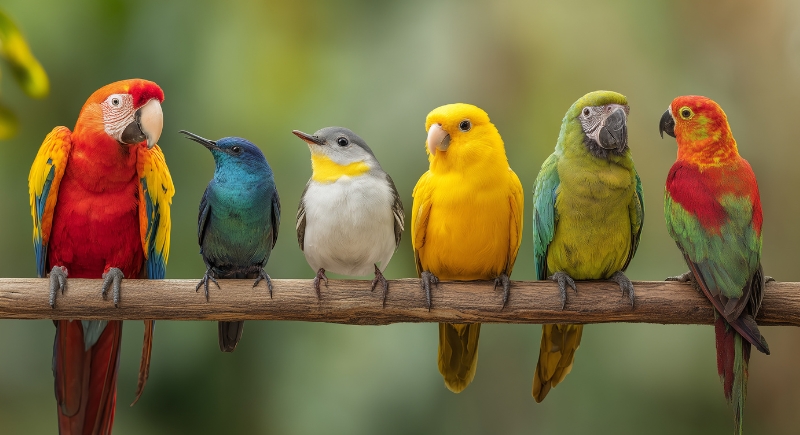
Image via Canva/tatyanakorenyugina
Among all animals, birds are by far the most sensitive to avocado toxicity. Even very small amounts can be fatal.
Pet birds such as canaries, budgerigars, cockatiels, and parrots have repeatedly died after exposure to avocado flesh or leaves. Symptoms often develop quickly and include weakness, agitation, difficulty breathing, fluid accumulation around the heart, and sudden collapse. In some cases, there is little warning before death occurs.
Because of this extreme sensitivity, avocados are among the most dangerous household foods for birds.
Livestock and Large Animals Face Serious Risks
Avocado toxicity isn’t limited to small animals. Livestock and large herbivores are also vulnerable. Goats, sheep, horses, and cattle have all been affected after eating avocado fruit or leaves.
In these animals, persin exposure can cause swelling of the head and neck, respiratory distress, and severe heart damage. Lactating animals may develop mastitis, and milk production can drop dramatically or stop altogether.
Veterinary journals describe cases where ingestion led to rapid death, particularly in rabbits, which appear to be one of the most susceptible species studied.
What About Dogs and Cats?

Image via Canva/Aleksandr Zotov
Dogs and cats fall into a gray area. They are generally more resistant to persin than birds or livestock, and many exposures result in mild symptoms or none at all. When problems do occur, they are often vomiting or diarrhea.
However, avocado still poses real risks to pets. The pit can cause choking or intestinal blockage, and the high-fat content of the fruit can trigger pancreatitis in dogs. Because sensitivity varies and accidental exposure is hard to predict, veterinarians advise keeping avocados out of reach of pets entirely.
Why Humans Are the Exception
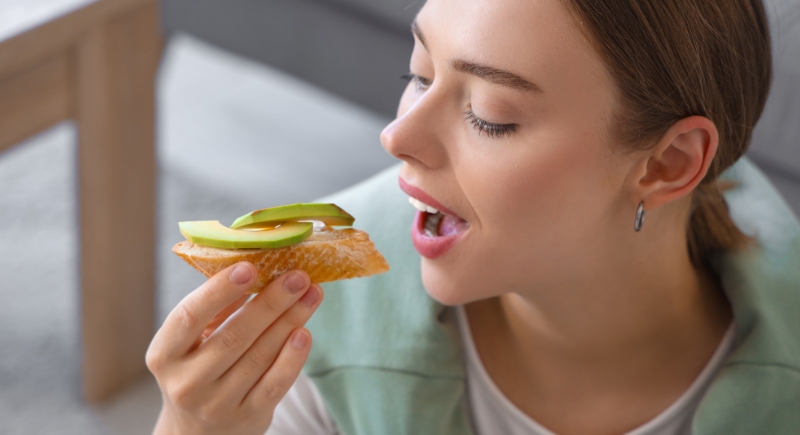
Image via Canva/pixelshot
Humans are not uniquely immune to toxins, but we are unusually tolerant of many plant defense chemicals. Capsaicin, caffeine, and nicotine are all compounds that plants evolved to deter predators, but humans consume them willingly.
In the case of avocados, humans appear to metabolize persin efficiently, avoiding the heart damage seen in other species. This tolerance likely developed through a combination of evolutionary chance and dietary adaptation.
There is one important exception. Some people with latex-fruit syndrome experience allergic reactions to avocados due to cross-reactive proteins. For them, avocado can cause swelling, itching, or more serious symptoms, even though persin itself is not the culprit.