The “Sugar Addiction” Cycle: Why It’s So Hard to Quit Sweets
Some of us swear we could give up anything except the pastries calling from a bakery window. The attraction runs deeper than taste. Once sugar enters your system, it triggers dopamine, opioids, and serotonin that flood the brain with warmth and ease. The lift fades fast, which leaves you reaching for another treat even when your stomach isn’t asking for it. As blood sugar rises and dips, the cycle resets and steers you right back toward the next sweet fix.
How Sugar Took Over Our Diets
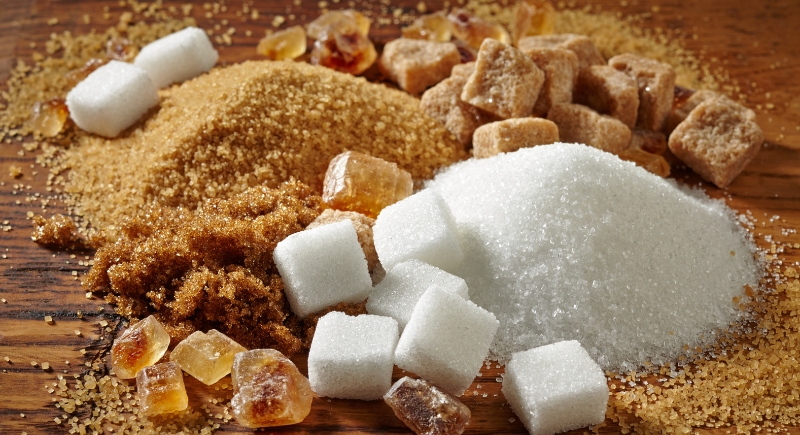
Image via Getty Images/Magone
Sugar is easier to find than ever because it appears in almost every type of processed food. Fast food grew bigger in size and sweeter in flavor over the decades, and added sugar became a standard ingredient even in meals that don’t taste sugary. Grocery staples like granola, canned soup, flavored yogurt, and bottled sauces often carry more added sugar than people expect. Since these items are affordable and convenient, they end up shaping eating habits without much thought.
The shift didn’t happen overnight. Early Americans consumed only a few pounds of sugar each year, but changes in production and cultural habits pushed that number into the triple digits. Soda became popular during Prohibition, and it stayed in our diets long after alcohol returned. When the low-fat trend emerged in the 1970s, manufacturers added more sugar to keep food appealing, and that decision altered everyday eating habits for decades.
When Cravings Start Feeling Like Dependence
Craving sweets once in a while is normal, but cravings that show up repeatedly often point to something deeper. Many people use sugar to get through stress, boredom, low energy, or emotional dips without realizing how often they reach for it. Eating a treat can quickly turn into a cycle when the crash that follows brings irritability or sadness. Over time, the habit grows stronger as the brain connects sugar with quick relief.
Some people notice that they think about sweets throughout the day or lose control once they start eating them. Others feel intense withdrawal when they cut back suddenly, including fogginess, headaches, and low mood. The harder the crash, the stronger the urge to find another sugary boost. This loop can raise the risk of inflammation, weight gain, and Type 2 diabetes when it continues long-term.
Why Quitting Feels So Hard

Image via Canva/shisuka
Stopping sugar all at once sounds simple, but the brain often rebels. Sharp changes in eating habits can make cravings louder and moods less stable. Withdrawal symptoms create a sense of urgency that pushes you right back to the foods you were trying to avoid. The cycle becomes even more challenging when sleep is poor or stress levels are high.
Sugar also hides in foods that feel harmless. Many people cut desserts but still eat large amounts of added sugar without realizing it. Ketchup, bread, salad dressings, and snack bars often contain several teaspoons of sugar. When sugar pops up everywhere, quitting doesn’t feel straightforward.
Small Changes That Make a Difference
A steady, balanced routine works better than trying to quit overnight. Eating regular meals keeps blood sugar stable, which makes cravings quieter and easier to ignore. Meals with protein and fiber keep you full longer, and staying hydrated can prevent mistaking thirst for hunger. Better sleep helps regulate the hormones that control appetite, making your choices feel calmer and more intentional.
Planning ahead also helps cut down on impulse snacking. Keeping simple, healthier options around makes it easier to reach for something that supports your goals. If sugar feels tied to mood, anxiety, or stress, talking with a doctor or dietitian can give you direction. With small adjustments and consistency, the sugar cycle becomes easier to break, and sweets can shift from a constant craving to an occasional treat.