The Story Behind the Drink Shirley Temple Refused to Sip
At a swanky Hollywood pushcart or an elegant table-side dinner during the 1930s, a bright-eyed child star would often sit watching the grown-ups sip cocktails. Someone thought: Why shouldn’t she have her own special drink? That idea gave birth to a fizzy, cherry-red concoction that would serve as a rite of passage for kids in restaurants for decades. Yet the little actress whose name it bore never touched it without grimacing.
It All Started With Hollywood’s Starlet
In the 1930s, Shirley Temple was America’s sweetheart. She danced her way into the hearts of audiences during the Great Depression, bringing optimism to moviegoers when the world felt uncertain. Off-screen, she was just a child dining with her parents and studio executives in Los Angeles. That’s where the story of her namesake drink began.
Restaurants like the Brown Derby, Chasen’s, and even the Royal Hawaiian Hotel all claimed credit for mixing the first Shirley Temple. The recipe was simple: ginger ale or lemon-lime soda poured over ice, with a splash of grenadine syrup, and a cherry perched on top. It looked glamorous enough to sit beside an Old Fashioned but sweet enough for a child. It became very popular, turning into the go-to “fancy drink” for kids who wanted to feel grown-up without the alcoholic buzz.
The Sweet Drink She Secretly Despised
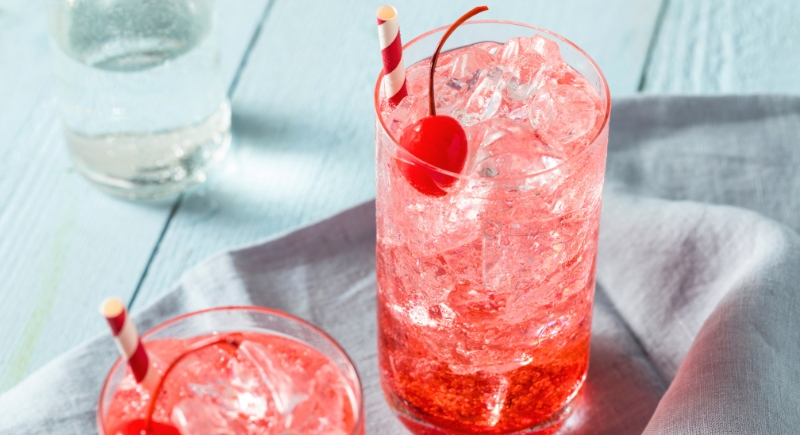
Image via Getty Images/bhofack2
Decades later, after her marriage to Charles Black in 1950, Shirley Temple Black revealed that she actually hated the drink. In an interview with NPR’s Scott Simon, she called it a “saccharine, icky drink” and admitted she had nothing to do with the creation of the drink. For someone whose life revolved around poise and diplomacy, that blunt honesty surprised many fans.
Even after leaving Hollywood and stepping into her diplomatic career, bartenders and admirers around the world continued to serve her the cherry-topped mocktail. She smiled politely and accepted it, but it wasn’t until the 1980s that she publicly admitted her distaste. Ironically, while she wanted nothing to do with the drink’s flavor, she couldn’t escape its fame or her connection to it.
A Legacy And A Legal Battle
Shirley’s dislike of the drink didn’t stop her from protecting her name. In 1988, she filed a lawsuit against a California company attempting to market a bottled version called “The Shirley Temple Soft Drink.” She made her stance clear, telling reporters, “All a celebrity has is their name.” She won that fight, and another earlier case against a carnival that misleadingly used her name for a bull elephant performance.
Image via Getty Images/vladz_2009
The actress-turned-ambassador understood that the mocktail had outgrown her childhood fame, but she refused to let her identity be treated as a commodity. Her resolve to guard her name mirrored her later work as a United States ambassador and delegate to the United Nations, where she built a reputation for grace and firmness in equal measure.
Today, the Shirley Temple remains one of the most recognizable mocktails in the world. It’s still being ordered by kids who want to join in the fun at dinner and adults who crave a hit of nostalgia. The drink even evolved into the “Dirty Shirley,” a vodka-spiked version for those who prefer a grown-up twist. Soda brands and bars continue to reinvent it, proving that a simple mix of grenadine and fizz can carry nearly a century of cultural charm.
Yet behind the sweetness lies a funny bit of irony: the woman whose curls and smile inspired it all would rather have passed on the cherry.