The Sneaky Sensory Tricks Aldi Uses to Control Your Brain While Shopping
Aldi runs more than 2,000 stores in the United States and is known for low prices and efficiency. But the layout is designed to guide your shopping. Its entry doors control pacing, aisles push you through a set path, lighting highlights specific products, and limited-time inventory creates urgency.
These features influence decisions before you reach the checkout. The store feels simple, but the design is deliberate.
The Entrance That Resets Your Brain
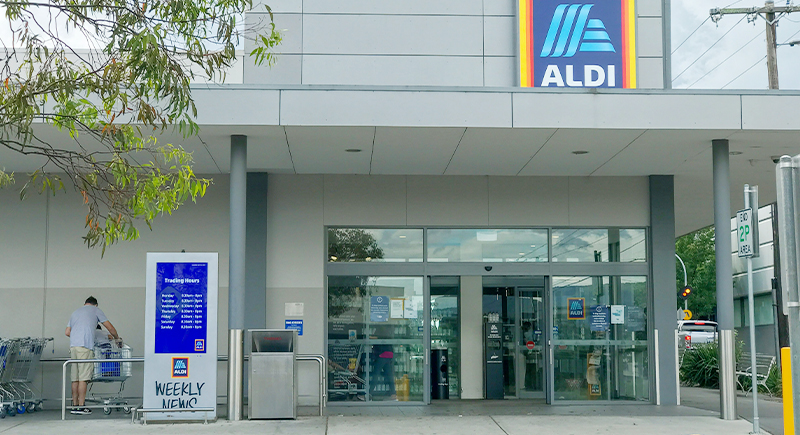
Image via Unsplash/Marques Thomas
Retail experts call the first few feet inside a store the “decompression zone.” Many Aldi locations use automatic sliding doors and a subtle directional turn at the entrance. The brief pause slows shoppers down and gives the brain time to adjust to a new environment.
The effect is important because a slowed pace increases visual awareness. Shoppers begin scanning shelves instead of rushing toward a single item. Other major retailers use the same concept, but Aldi pairs it with strong value messaging at the front of the store. Phil Lempert of Supermarket Guru told The US Sun in October 2022 that Aldi appeals to Gen Z and Millennials through a combination of value and quality. The perception begins right at the entrance.
Why Essentials Hide in the Back
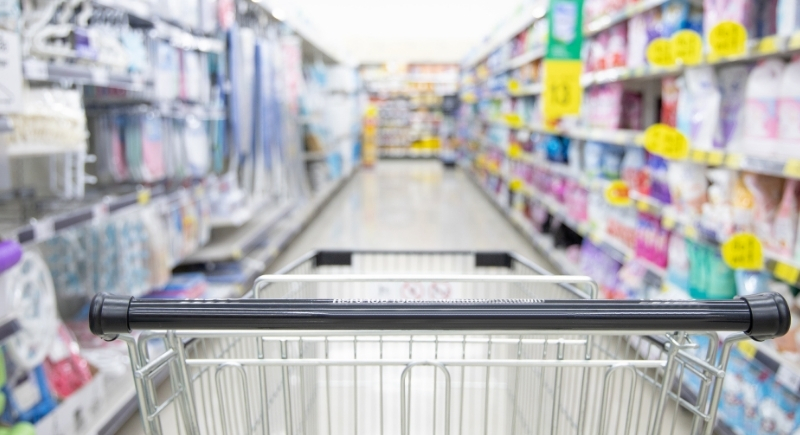
Image via Canva/89Stocker
Aldi follows a classic grocery tactic where staples are placed toward the back. Fresh meat, dairy, and many cleaning supplies are placed in the latter sections. The layout forces shoppers to pass bakery items, alcohol, seasonal goods, and other discretionary categories as they move along.
The psychology is simple: exposure increases the likelihood of purchase. Even if someone walks in planning to grab milk and leave, repeated visual contact with snacks or limited-time deals increases the odds of an impulse purchase.
The Middle Aisle Adrenaline Rush
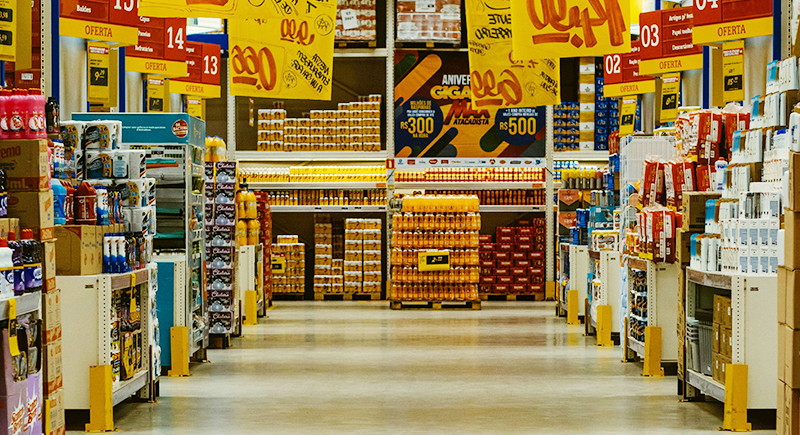
Image via Pexels/Eduardo Soares
Aldi’s “Special Buys” or “Aldi Finds” section is in the middle of the store and rotates twice a week in many United States locations. Products range from kettlebells to desk chairs to earbuds. The stock is usually limited, and sell-outs happen fast.
It’s said that the middle aisle is similar to a jumble sale. The messy, treasure-hunt layout sparks excitement. Finding a perceived bargain triggers a mild adrenaline response. The emotional lift stays as shoppers continue through the store.
Scarcity adds pressure, and limited stock and short display windows create urgency. Even shoppers who never planned to buy a patio heater may suddenly feel that waiting means losing. Lempert advised leaving space on a shopping list for impulse items to stay in control. The suggestion alone reveals how powerful the section can be.
Eye Level, Light, and Less Choice
The sensory influence does not stop at layout. Retail studies consistently show that products placed at eye level sell better. Aldi positions higher-margin or featured items in that prime visual space. LED spotlighting against darker backdrops makes packaging stand out more sharply. The brain locks onto contrast.
Then there is the limited assortment. A Kantar study cited in 2022 reported that roughly 90 percent of Aldi’s inventory consists of private label brands such as Millville. When shoppers face a short list instead of 20 versions of the same cereal, decisions are made faster. Lempert compared this simplified decision model to McDonald’s shift to digital menu boards that highlight only a few items at a time. Less clutter speeds commitment.