The Secret Spots in Aldi Where the Best Home Finds Live
Aldi runs more than 12,000 stores worldwide and releases limited-quantity “Aldi Finds” weekly. Items arrive in stores for a short window and often disappear within days. Some never return. That system has turned an ordinary grocery run into a strategic stop, especially for shoppers who know where to look. Most people head straight for the center aisle. That is where the weekly Finds live. But the real home upgrades are scattered throughout the store, often hiding in plain sight next to produce or tucked on end caps at the edge of regular grocery aisles.
The End Caps Hiding The Good Stuff
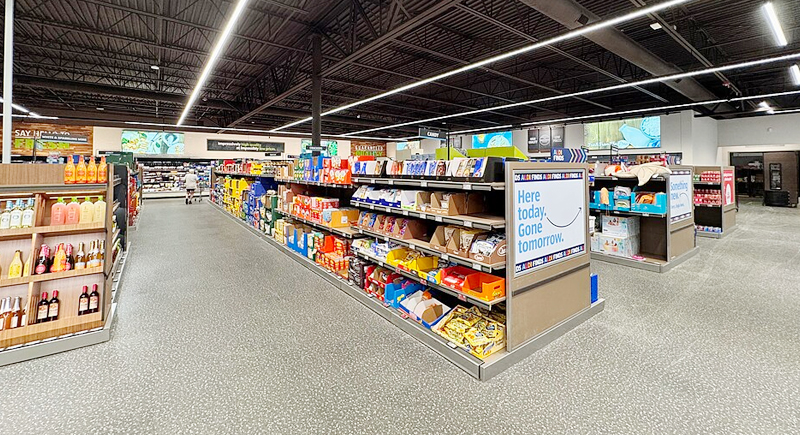
Image via Wikimedia Commons/Harrison Keely
End caps are not random. Retailers use them to spotlight high-margin or seasonal products because shoppers naturally pause at aisle entrances and exits. Aldi rotates these displays frequently, and they often feature markdowns or early-season drops.
In February 2026, one shopper spotted Christmas sugar cookie kits marked down to $0.59 from $5.99 on an end cap. Others have reported early holiday décor appearing there before the official Find’s release. These placements reward people who scan the entire store instead of sticking to a list.
Charcuterie-themed end caps have also popped up, grouping crackers, spreads, and nuts together in one convenient display. The setup feels curated and practical.
Budget Pieces That Look Custom
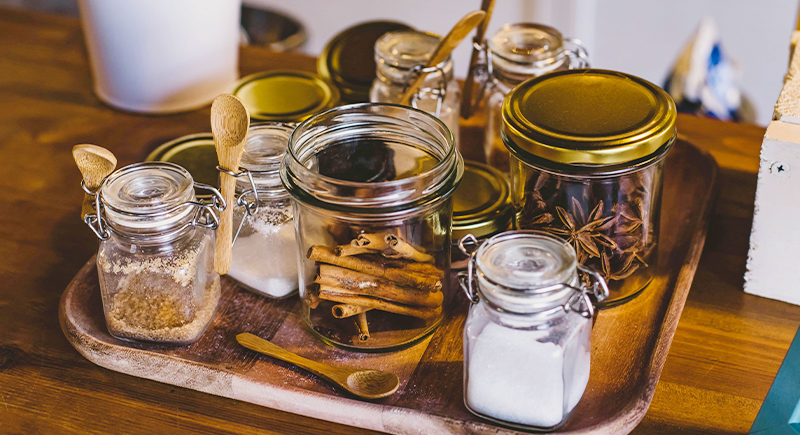
Image via Pexels/Valeria Boltneva
Aldi’s home goods are often placed alongside groceries, and the price gap can be dramatic. In late February 2026, Crofton’s three-pack glass spice cellars with acacia wood lids and spoons retailed for $9.99 and were available February 25 through March 3, while supplies lasted. A similar two-piece ceramic set with beech wood details also sold for $9.99 that week.
These are small upgrades, but they clean up a cluttered counter fast. Glass jars replace mismatched spice bottles, and a wood tray pulls everything together. For under $10, that is a noticeable change in how a kitchen looks and functions.
Shoppers have also found wooden serving bowls under $13 and decorative wood knots for $4.99 that closely resemble versions priced near $60 at higher-end retailers.
Everyday Staples That Upgrade A Home
Aldi’s impact on a home goes beyond décor. Core grocery staples also change how a household runs. Produce pricing often beats traditional supermarkets by $1 or more per item. For example, multi-colored bell peppers are frequently priced close to what a single red pepper costs elsewhere. Bags of red onions have sold for $2.15. Zucchini packs have rung up around $1.45. Asparagus has appeared at $2.89. Mini cucumbers have sold for $1.69 compared to $3 at some competitors.
Longer shelf life is also important. Shoppers regularly note that bananas and packaged lettuce last several days longer than they do at other stores. Fewer spoilage losses mean fewer extra trips and less waste.
Private-label basics also play a role. Blocks of cheese around $1.89, nonfat Greek yogurt with expiration dates stretching more than two months out, and snack items that rival name brands at lower prices all reduce weekly grocery bills. Those savings often free up room in the budget for the fun finds a few aisles over.
The Scarcity Factor
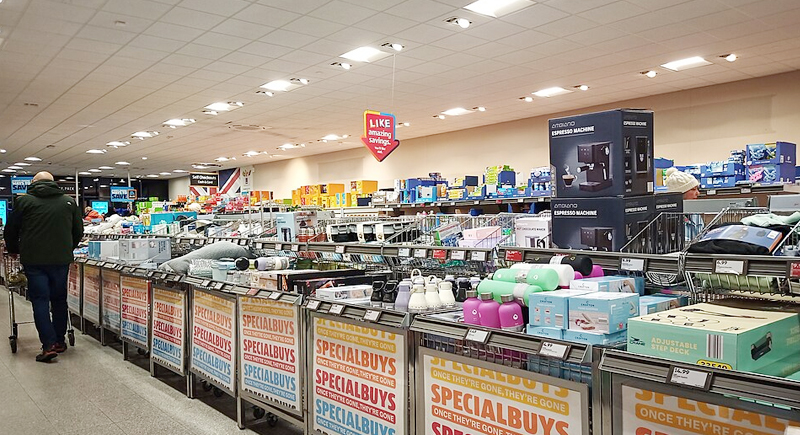
Image via Wikimedia Commons/Mtaylor848
Aldi even posts signs that read, “If you see it, get it.” That is not marketing fluff because limited inventory and rotating stock create urgency. Scarcity prompts people to scan shelves more closely. It turns routine grocery shopping into a low-stakes hunt. Regular shoppers learn to slow down, look left and right, and treat every corner as potential real estate for a small home upgrade.