The Secret Ingredients That Fueled Hershey’s Sweet Rise to Success
Milton Hershey failed so many times that most investors would have stopped returning his calls. One of his candy businesses collapsed in Philadelphia, another crashed in New York, and his family grew tired of backing his ideas. At one point, a bank cashier had to personally co-sign a loan just to keep his caramel business alive.
A few decades later, Hershey’s name was on candy bars in grocery stores across America, wrapped around a town in Pennsylvania, stamped onto amusement parks, schools, and one of the largest chocolate empires in the world. This kind of turnaround came down to a handful of decisions that looked risky at the time and ended up changing the candy business for good.
He Bet Everything on Chocolate Before America Did
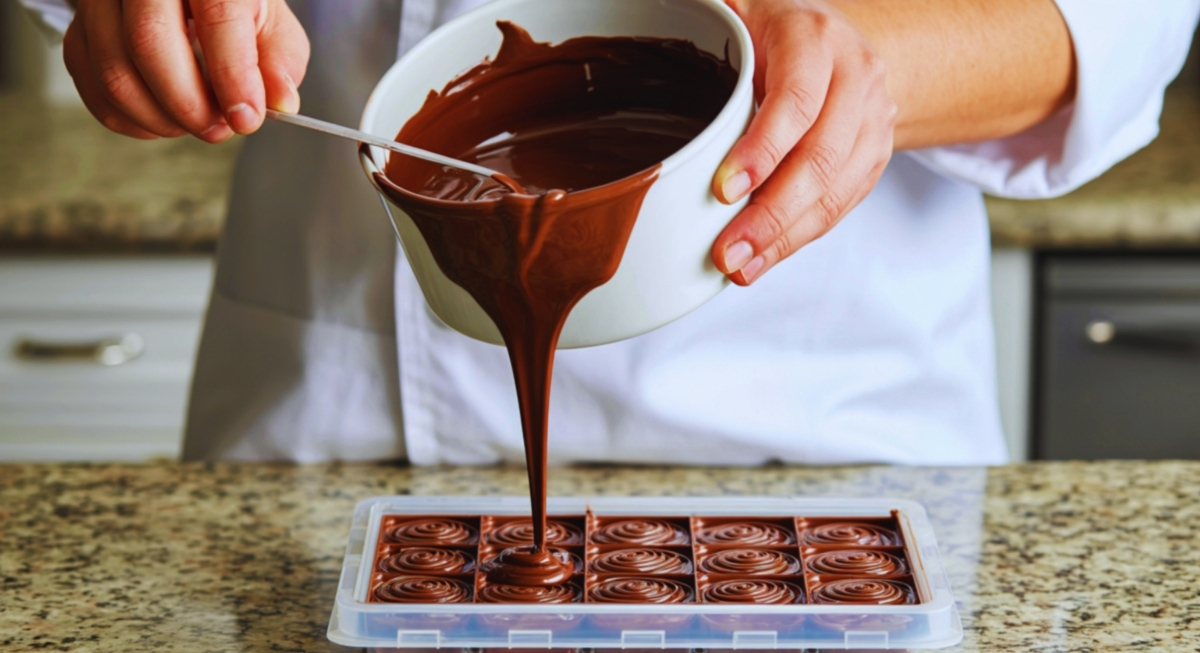
Image via Canva/Lina Darjan’s Images
Chocolate had a reputation as a luxury in the late 1800s. Most Americans treated it as an occasional splurge because it was too expensive for regular families. Milton Hershey saw a bigger opportunity after visiting the 1893 World’s Columbian Exposition in Chicago. A German chocolate-making demonstration grabbed his attention, especially the machinery that could speed up production. He bought the equipment and shipped it back to Pennsylvania.
At first, this only supported his caramel business, but that quickly changed. By 1900, Hershey sold the successful Lancaster Caramel Company for $1 million, which equals roughly $38 million today. Friends and business associates thought he was making a reckless move because caramels had already made money, but chocolate still looked uncertain.
Hershey disagreed. He believed affordable milk chocolate could become an everyday treat instead of a product reserved for wealthy customers. This gamble built the foundation of the modern company.
Fresh Milk Was A Game Changer
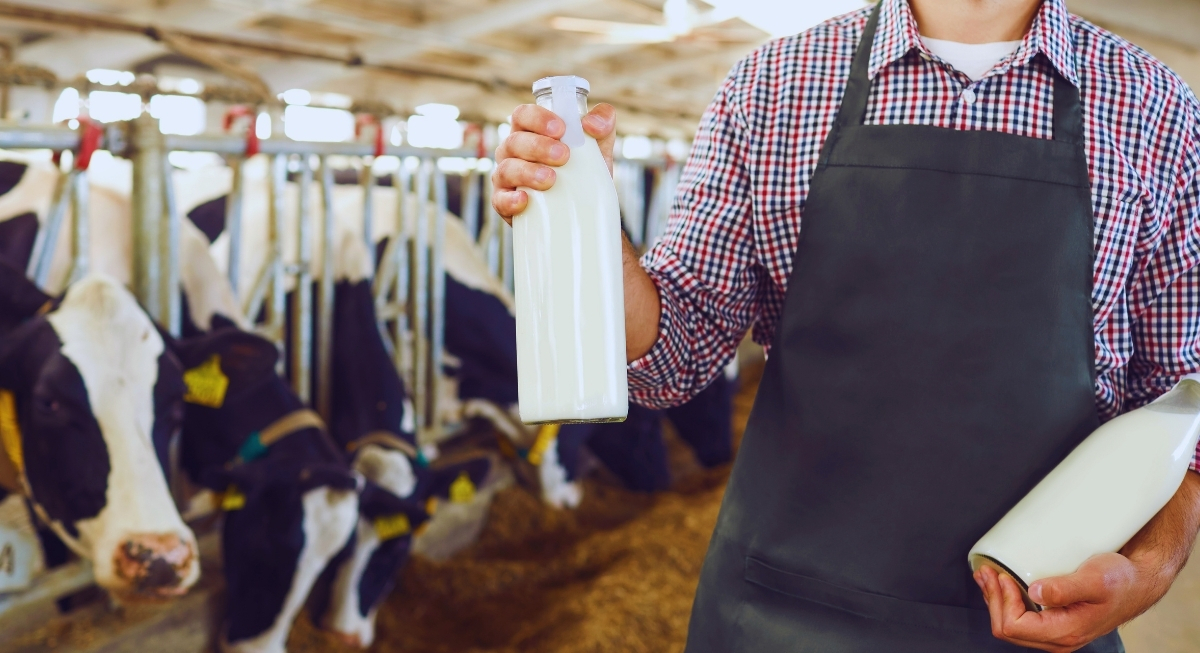
Image via Canva/studioroman
European chocolate makers relied heavily on dried milk, but Hershey took a different route. He bought farmland and dairy properties around central Pennsylvania because he wanted steady access to fresh milk. This decision shaped the flavor profile that eventually made Hershey bars instantly recognizable across the country. It also helped him scale production faster.
By 1905, Hershey had opened a massive chocolate factory in what would become Hershey, Pennsylvania. Ten years later, it ranked as the world’s largest chocolate factory. His milk chocolate bars sold for just five cents, a price that was stable until the 1960s.
Hershey Understood Branding Early
The maroon wrapper with silver lettering made Hershey bars easy to spot. Hershey’s Kisses arrived in 1907 and became even more recognizable once the company automated wrapping in 1921 and added the little paper plume at the top. That tiny strip of paper gave customers a quick way to identify the real product while copycat candies flooded shelves.
Hershey also kept introducing products that matched changing tastes. Mr. Goodbar arrived in 1925. Krackel followed in 1938. Reese’s Peanut Butter Cups joined the company in 1963 after Hershey acquired H.B. Reese Candy Company. The acquisition turned out to be one of the smartest moves in the company’s history. Reese’s eventually became Hershey’s biggest brand.
The Company Sold More Than Candy
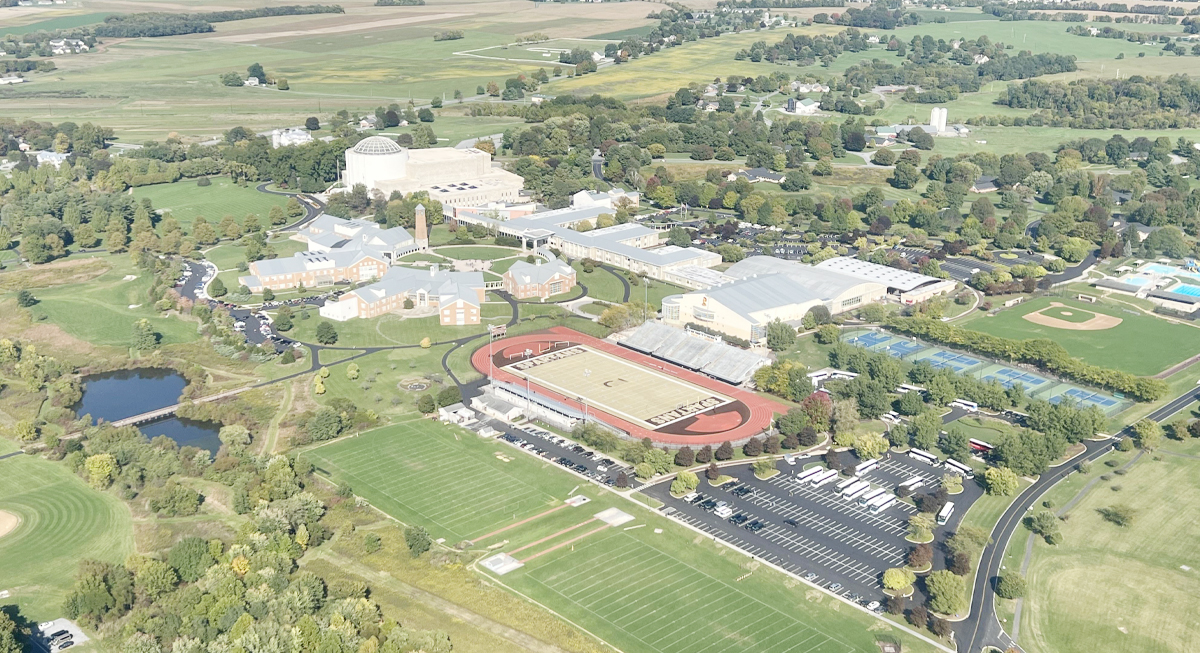
Image via Reddit/Sharp-Run2822
Milton Hershey didn’t stop with factories. He built an entire town around the business, complete with homes, transportation, entertainment venues, a bank, and schools. During the Great Depression, he pushed ahead with large construction projects rather than lay off workers, so they could keep earning paychecks. That community-first image became a major part of the brand itself.
In 1909, Milton and Catherine Hershey founded a school for disadvantaged children that later became the Milton Hershey School. After Catherine died in 1915, Hershey transferred much of his fortune into a trust supporting the school. The Milton Hershey School Trust remains Hershey’s controlling shareholder.
The Next Challenge Looks Very Different
Hershey still dominates the American chocolate aisle. The company generated nearly $11.7 billion in sales in 2025 and remains North America’s largest chocolate maker. Still, the candy business keeps changing.
Younger consumers show weaker attachment to traditional Hershey products than older generations, and rivals like Mars, Ferrero, Nestlé, and Mondelez hold much stronger global footprints. Hershey responded by expanding into salty snacks through acquisitions such as SkinnyPop and Dot’s Pretzels, while experimenting with trend-driven products aimed at Gen Z shoppers. This explains why Hershey looks less like a classic chocolate company today and more like a broad giant.