The Science Secret Behind Why Red Velvet Was Once Naturally Red
Red velvet cakes today use food coloring to achieve their bright red color. But it wasn’t always this way, and history shows there was initially a natural phenomenon behind it.
To understand the color, it helps to start with the name. In the 1800s, cakes weren’t especially soft. Many had a coarse texture, closer to sweet bread, often packed with nuts or dried fruit. But bakers wanted something smoother, so they found a solution in cocoa powder. Adding cocoa helped soften the proteins in flour, which led to a finer crumb. The smoother texture became a defining feature, and cakes with that quality earned the label “velvet.”
The Altering Reaction
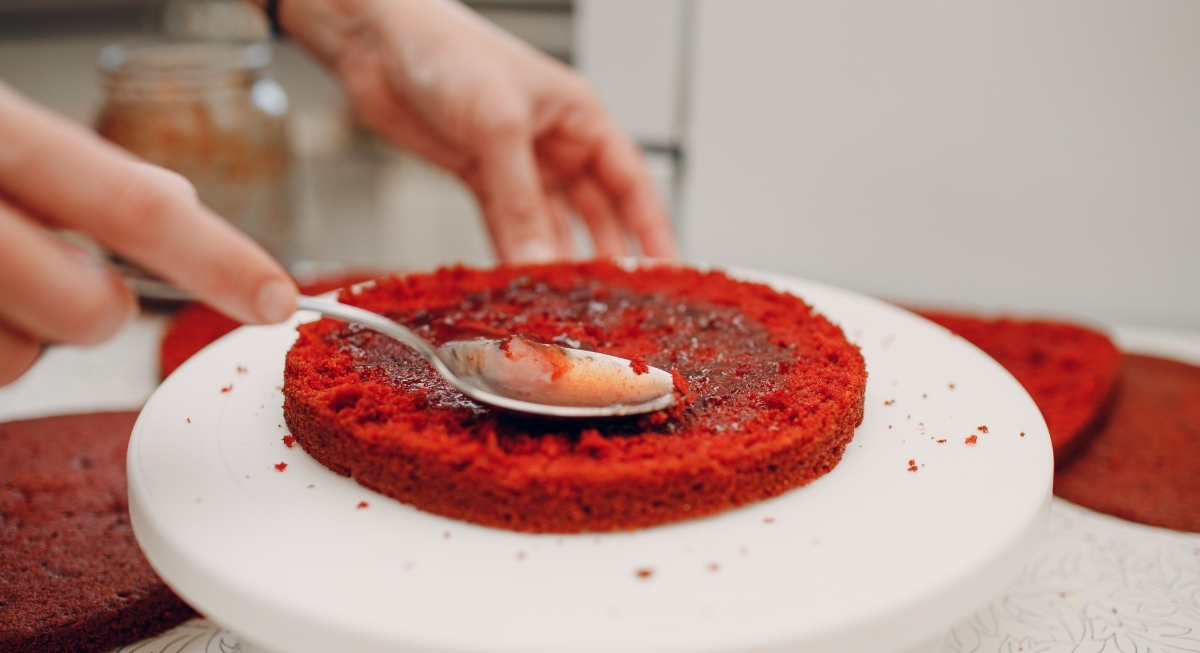
Image via Canva/primipil
The color appeared as a side effect of the chemistry. Natural cocoa powder contains compounds called anthocyanins, which respond to acidity. When mixed with ingredients like buttermilk or vinegar, those compounds change color.
At the same time, baking soda needs acid to create carbon dioxide, which helps the cake rise. That means the same ingredients responsible for a light texture also triggered the color change. This usually resulted in a reddish-brown tone rather than the bright red seen today. It varied depending on the cocoa used and the batter’s acidity level.
This explains why early red velvet cakes didn’t all look the same. The reaction depended on small differences in ingredients, which weren’t as standardized as they are now.
Chocolate Cakes Took a Turn
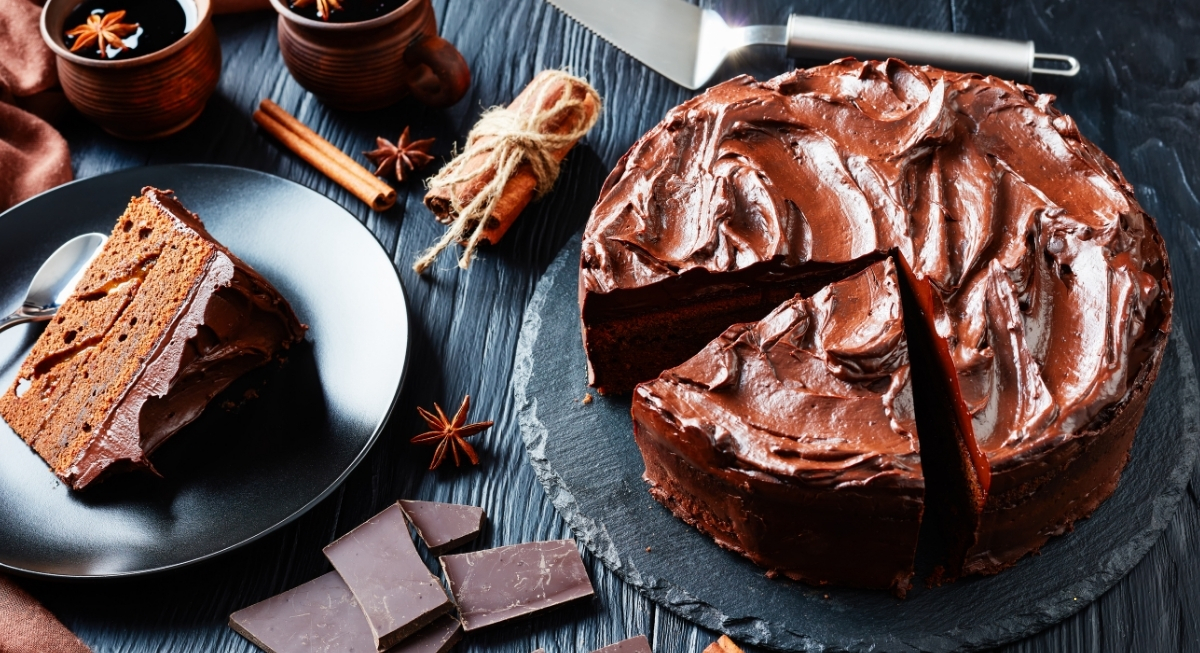
Image via Getty Images/from_my_point_of_view
By the early 1900s, cocoa-based cakes had gained traction across the United States. Recipes for “cocoa velvet cake” and “red devil’s food” began circulating and blended ideas from earlier velvet cakes and richer chocolate desserts.
Some bakers started noticing that certain cocoa cakes developed a reddish tint. The observation turned into curiosity, and eventually into a naming trend. The word “red” started appearing in recipe titles, even though the color itself remained subtle.
A 1911 recipe for “Velvet Cocoa Cake” and later newspaper recipes in the 1910s and 1920s helped spread the idea. By 1943, a version appeared in The Joy of Cooking by Irma S. Rombauer, thus marking one of its first major national mentions.
Why Modern Cocoa Changed the Outcome
The original effect relied on natural cocoa powder, which is acidic. Over time, manufacturers introduced Dutch-processed cocoa, which undergoes an alkalizing treatment. The process reduces acidity and creates a darker color and a smoother flavor.
The change came with a trade-off. Without acidity, the chemical reaction that produced the reddish tone no longer occurred. So the same recipe, when made with Dutch-processed cocoa, lost the color change entirely.
Wartime Workarounds Added Another Aspect

Image via Getty Images/svetikd
During World War II, rationing forced bakers to adjust recipes. Ingredients like sugar and butter were limited, so some turned to beet juice. Beets added moisture and a red hue, which made cakes look richer during a time of scarcity. The color came from an ingredient doing more than one job. That approach kept the spirit of the original cake intact, even as ingredients changed.
How the Bright Red Took Over
The most dramatic change happened when food coloring was introduced. The Adams Extract Company in Texas played a major role in pushing the modern version. They sold red food coloring along with red velvet cake recipes printed on promotional cards. Those recipes encouraged generous use of dye to create a more vivid and consistent color.
Places like the Waldorf Astoria Hotel tried to claim credit for popularizing the cake, though historians generally agree the recipe was already circulating before those claims. As the bright red version gained attention, the original chemical reaction became less important.