The Regina Food Bank Replaces Hampers With a Grocery Store Style Setup
Food bank use in the Canadian city of Regina increased after the pandemic, with demand rising about 25 percent and children making up nearly half of those needing help. In 2023 alone, more than 65,000 households relied on food support in the city, a year-over-year increase of 17 percent.
Traditional food hampers struggled to keep up, often delivering items families could not use while demand continued to grow. The pressure forced a rethink inside the Regina Food Bank. Instead of expanding the same system, the organization made a structural change aimed at reducing waste, improving fit, and handling scale more effectively, starting with how people would receive food easily.
A Space That Works Like Real Life
The downtown Community Food Hub opened in August 2024 in a purpose-built space separate from the warehouse. Instead of a counter and a box, clients receive a shopping cart and a list showing what is available and how much they can take.
Appointments manage flow and keep shelves stocked. Inside, the setup is similar to that of a grocery store. Aisles hold dry goods, refrigerated cases carry dairy and meat, produce fills bins, and people choose food they recognize and plan meals they actually intend to cook. The hub expects to serve more than 7,000 people each month, almost half of them children.
Clients typically leave with a few days’ worth of food, enough to stabilize short-term needs without overwhelming supply. This model also changes how the food bank manages inventory. Tracking what moves off shelves helps staff focus purchasing on items people select, rather than guessing what belongs in a box.
Choice Turns Dignity Into Efficiency
Leaders estimate that the grocery-style setup allows them to feed about 25 percent more people with the same supply because less food goes to waste. The data support the shift because households vary. A bachelor might grab pasta and sauce, while a family with kids loads produce and protein. Dietary needs, cultural preferences, and cooking ability finally factor into the equation. Clients register once, answer basic questions about household size and income source, then return every two weeks by appointment.
Kids Are At The Center Of The Plan
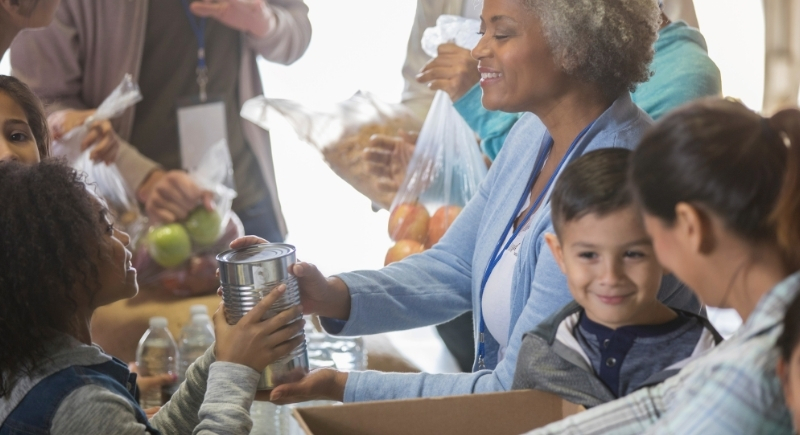
Image via Getty Images/SDI Productions
Children drive much of the urgency behind the new model. Nearly half of those served at the hub are kids, and leadership sees food access as an early intervention with long-term impact. The space also includes nutrition education, financial literacy programs, and indigenous programming. Outside, a playground and basketball court signal that families belong there, not just their needs. Schools are also vital, as thousands of students already receive snacks and meals through partnerships with the food bank, and more educational visits are planned.
A Model Others Are Watching Closely
Across Canada, food banks report record usage tied to higher grocery prices, rent increases, and stagnant wages. Some organizations have experimented with choice models in churches or community centers for limited hours. Regina took it further. This is Canada’s first full-scale, five-day-a-week free grocery store run by a food bank. It operates like a regular retailer while staying free and appointment-based.
However, funding remains a challenge. The organization raised about $3.7 million toward a $5 million goal to renovate and operate the space. Operational costs still rely heavily on community support. Still, the change signals a break with the past.