The Real Reason Why McDonald’s Coke Tastes Better Than Anywhere Else
Ask almost anyone who drinks soda regularly, and you’ll hear the same claim repeated with confidence: Coca-Cola tastes better at McDonald’s than it does anywhere else.
The belief has been around for decades, and while perception and expectation always play some role in taste, McDonald’s also makes a series of deliberate choices that shape how its Coke is prepared and served. The difference comes from how the drink is mixed, chilled, carbonated, stored, and delivered from the fountain to you.
It Starts With a Different Syrup Ratio
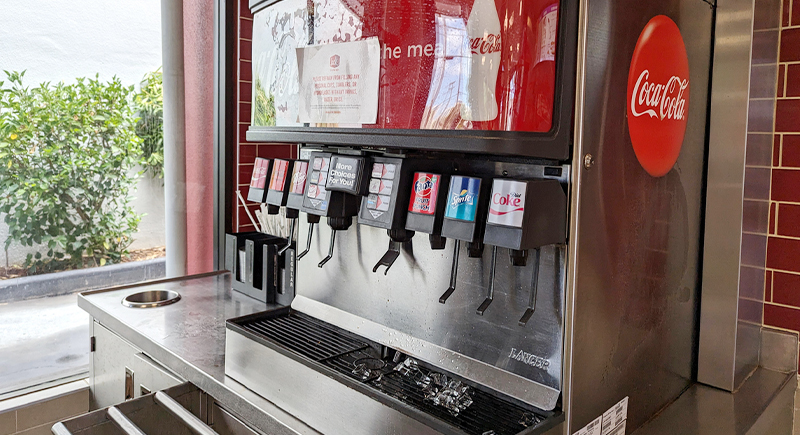
Image via iStockphoto/Eric Broder Van Dyke
Most fountain sodas are mixed on site by combining carbonated water with syrup, then poured over ice.
As the ice melts, the drink gradually dilutes. McDonald’s accounts for that process in advance by calibrating its fountain machines with a slightly higher syrup-to-water ratio than many standard setups.
The adjustment is designed to help the drink maintain its intended flavor balance as ice melts, so the Coke tastes fuller from the first sip through the last. When you order light ice or no ice, that calibrated mix is diluted less, which can make the flavor seem noticeably stronger.
Water Quality Is Treated as a Flavor Ingredient
Soda is mostly water, which means water quality has a direct impact on taste. Mineral content, treatment chemicals, and local infrastructure can all influence how a fountain drink comes across.
McDonald’s filters the water used in its soda fountains before it ever mixes with syrup. The goal is to remove off-flavors and reduce variability caused by local water differences. While filtration can’t eliminate every possible variable, it helps create a more consistent baseline for the drink across different locations.
Everything Is Kept Colder Than Usual
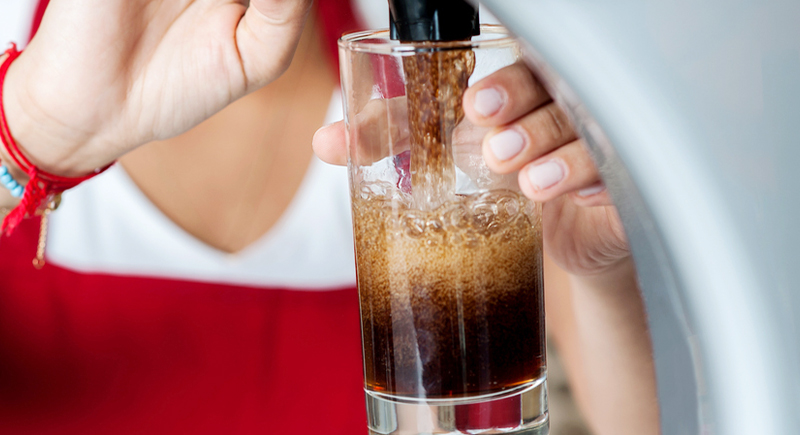
Image via iStockphoto/stockyimages
Temperature plays a key role in how soda tastes and feels. Colder liquids hold carbonation more effectively, which prevents bubbles from going flat quickly.
McDonald’s pre-chills both the water and the syrup before they ever reach the fountain dispenser. By cooling these ingredients early in the process, the soda can hold a higher level of carbonation and stay fizzy longer. This ensures that every sip remains ice-cold and maintains that sharp, refreshing “sting” from the first drop to the last.
Stainless Steel Syrup Tanks Preserve Freshness
Most restaurants receive Coca-Cola syrup in plastic bags stored inside cardboard boxes. McDonald’s uses stainless steel tanks instead.
Those tanks protect the syrup from light, temperature swings, and air exposure during transport and storage. While bag-in-box systems are safe and widely used, the steel tanks offer an added layer of protection that helps keep the syrup tasting fresh when it reaches the fountain.
The Straw Shapes the Drinking Experience
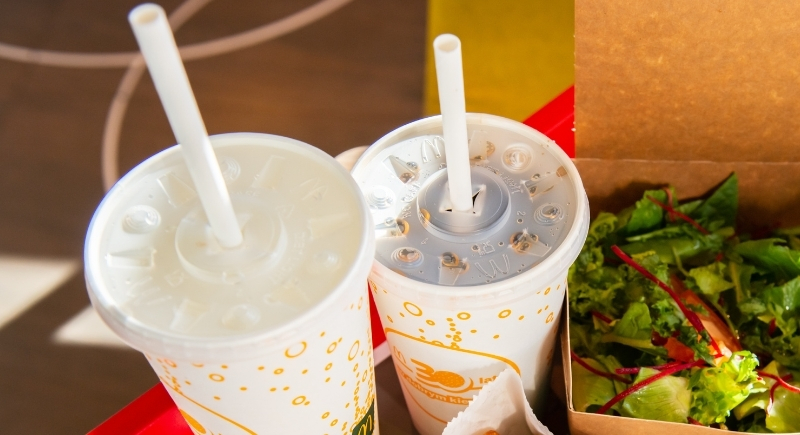
Image via Canva/Africa images
McDonald’s straws are slightly wider than many standard fast-food straws. The design affects how the drink hits your palate.
A wider straw delivers more liquid per sip, increasing how much of the soda reaches your taste receptors at once. That can make flavors more pronounced.