The Real Reason Costco Sells Those Giant Pumpkin Pies for So Cheap
Every fall, as soon as Costco’s bakery cases fill with towering pumpkin pies, the same question comes up: How is this thing only $5.99? The pie is massive. It measures about 12 inches across, weighs more than 3.5 pounds, and easily feeds a crowd. Comparable pumpkin pies at other grocery stores often cost the same or more for a much smaller size. The low price is part of a temporary discount. It is the result of how Costco has designed this product from the ground up.
A Recipe Built for Consistency
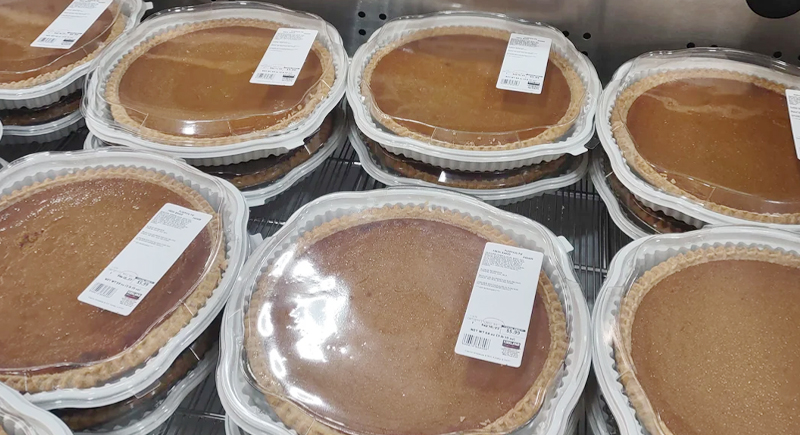
Image via Reddit/SellTheSizzle–007
One of the primary reasons the price remains steady is that the pumpkin pie is not viewed as a short-term seasonal experiment. Costco has used essentially the same recipe since 1987. It was developed by Sue McConnaha, the company’s former vice president of bakery operations, with consistency as the priority. A recipe that remains unchanged is easier to scale, train staff on, and cost out accurately year after year.
Then scale does most of the work, as Costco sells millions of pumpkin pies every fall, with a large share purchased in the weeks leading up to Thanksgiving. When production reaches that level, labor, equipment, and overhead costs are spread across an enormous number of identical pies.
The higher the volume, the lower the cost per unit. This level of scale is difficult for most grocery stores to replicate, especially those that bake in smaller batches or rely on outside suppliers.
Efficient Ingredient Sourcing and Baking
The same buying power that keeps prices low across Costco’s warehouses applies to its bakery. Core ingredients like flour, sugar, eggs, and spices are purchased in massive quantities, which allows Costco to secure lower prices from suppliers.
The pumpkin filling relies on Dickinson squash, a variety commonly used for canned pumpkin. These squash are grown primarily in Illinois and processed centrally, which keeps quality uniform and reduces waste. Using processed pumpkin instead of fresh whole pumpkins also reduces labor and variability.
How the pies are made matters just as much as what goes into them. Dough is prepared in-house, portioned, and pressed into tins using specialized equipment. The pumpkin filling is mixed in large batches and dispensed mechanically so each pie contains the same amount.
This setup limits manual handling, speeds up production, and reduces ingredient loss. Fewer labor hours per pie make a meaningful difference when production runs into the millions.
Intentional Pricing, Not a Promotion
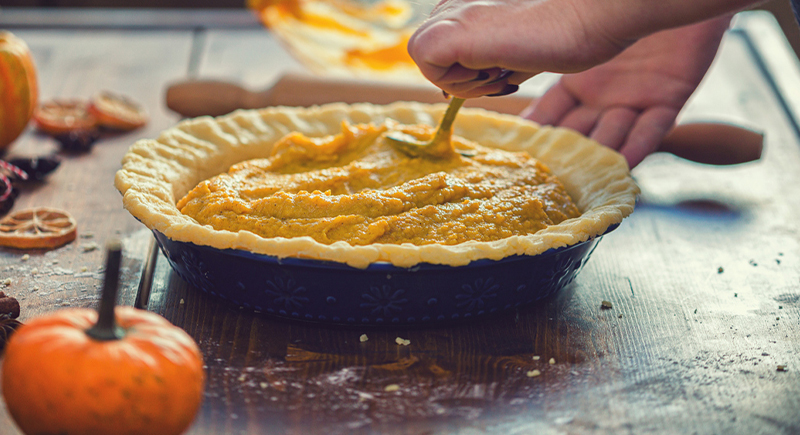
Image via iStockphoto/kajakiki
To begin with, the pumpkin pie is not designed to be a major profit driver. It follows the same pricing philosophy as Costco’s $1.50 hot dog combo and $4.99 rotisserie chicken. These items are priced very close to cost to reinforce the value of a Costco membership and encourage regular visits.
Once shoppers are in the warehouse, they typically purchase other products that carry higher margins, which balances out the low price of signature items, such as the pie.
Holding the price of the pumpkin pie at $5.99 for decades is a deliberate choice that reinforces Costco’s reputation for consistency.