The One Ingredient the Queen Never Allowed in Buckingham Palace
The late Queen Elizabeth II had her share of royal rules, and one of the most surprising was a total ban on a common kitchen staple that the rest of the world can’t seem to cook without. It wasn’t about taste or allergies. This rule came down to good manners, diplomacy, and the kind of tradition that only a royal household could keep alive. The Queen’s chefs, no matter how skilled, all followed the same instructions for decades.
A Royal Ban with a Practical Twist
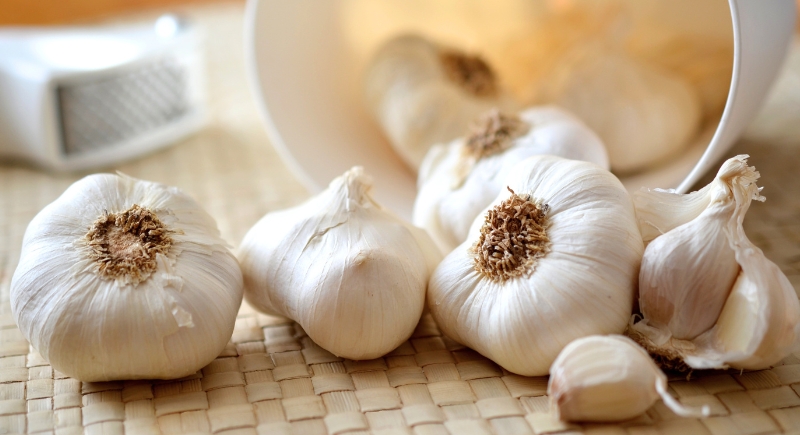
Image via Pixabay/congerdesign
For most people, the smell of dinner sizzling in butter and garlic is enough to make their stomach growl. But inside Buckingham Palace, that smell never existed. Garlic might be a hero in most recipes, but it had no place in the Queen’s royal menus. Former palace chefs confirmed that it was forbidden in all dishes served to the monarch. The reason was simple and very British; it was all about conversation.
The Queen often hosted state dinners, receptions, and long lunches filled with small talk and polite smiles. Garlic’s lingering scent didn’t exactly pair well with royal decorum. Camilla, then Duchess of Cornwall, once admitted on MasterChef Australia that garlic was a “no-no” because of how much mingling took place at royal banquets. It was a matter of etiquette more than preference.
Nobody wanted to risk a diplomatic dinner overshadowed by the smell of garlic bread. One former royal chef, John Higgins, joked that the rule kept anyone from having “the royal burp,” a comment that’s both funny and surprisingly logical when you consider the number of handshakes involved at those events.
More Foods on the No-Go List
Garlic wasn’t the only thing restricted in the royal kitchen. Onions had to be used sparingly, and dishes like spaghetti or other long pastas were considered too messy for a proper royal meal. Even pizza without a bun—yes, that includes the handheld kind—was frowned upon. Shellfish was another item rarely served to the Queen, particularly during overseas visits. Food poisoning on a royal tour would have been a public relations nightmare.
The royal menus leaned toward simple, well-balanced meals: grilled meats, vegetables, and a favorite chocolate dessert. The Queen preferred food that was clean, classic, and predictable. There was no experimenting with spicy sauces or bold seasonings. Every bite reflected precision, consistency, and, above all, politeness.
Tradition Lives On
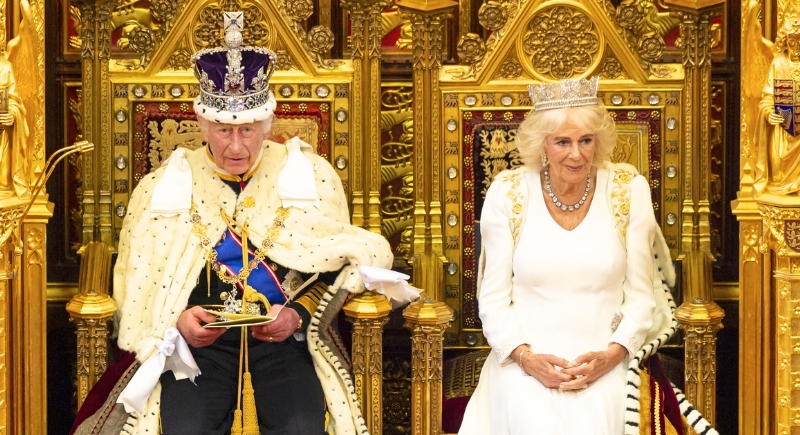
Image via Wikimedia Commons/Roger Harris
When King Charles III took over the throne, the royal kitchens shifted slightly but kept much of their traditional discipline. The King has made sustainability and locally sourced ingredients a priority.
He’s known for eating what’s in season and cutting down on waste, but the royal restraint in flavor remains. The tone of dining in the palace is still elegance over indulgence.