The Normal Pantry Staples That Turn Toxic if You Prepare Them Incorrectly
Certain pantry staples are highly trusted. Bags, cans, jars, and bins, for example, seem harmless and ready to save dinner on a busy night. This trust is mostly earned, but a few everyday ingredients come with fine print. If you handle them the wrong way, the problem moves past bad flavor into stomach trouble, natural toxins, or bacteria that heat alone may not always fix.
Flour
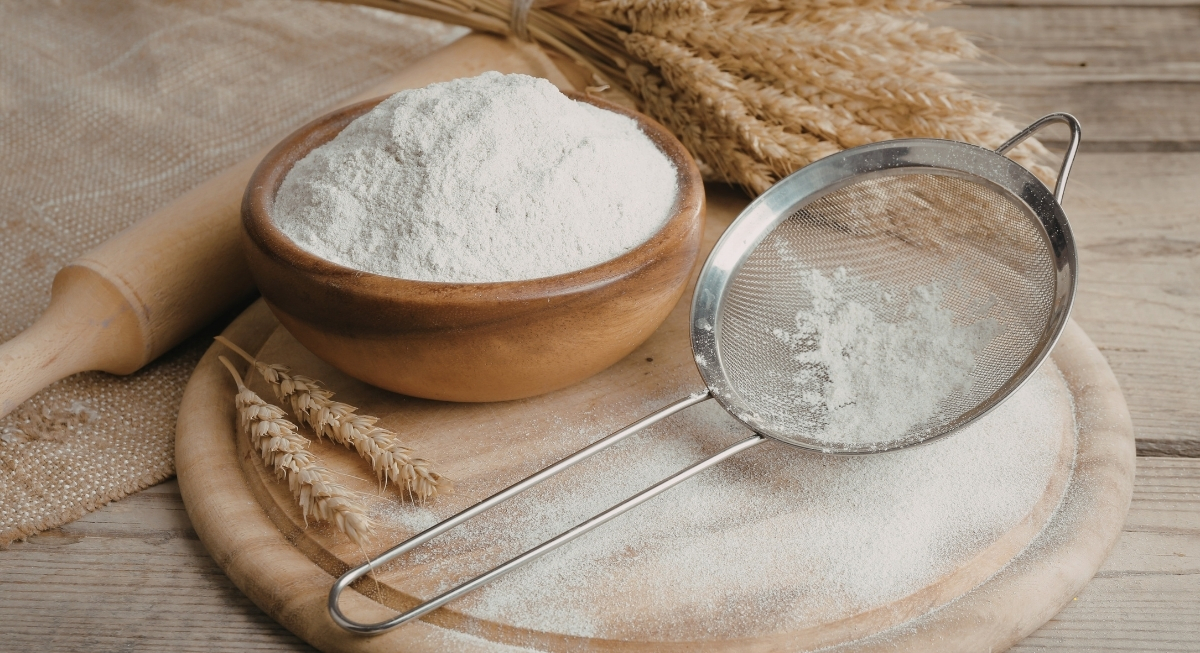
Image via Canva/Ionut Dabija’s Images
Flour skips a major safety step during production. It gets milled and packaged without heat treatment, which means bacteria picked up in the field can survive all the way to your mixing bowl. That’s why raw cookie dough has caused real outbreaks. In 2023, Salmonella cases were linked to raw dough and flour products, with some people hospitalized. Baking or cooking fully is what makes flour safe, not just mixing it into something sweet.
Chicken
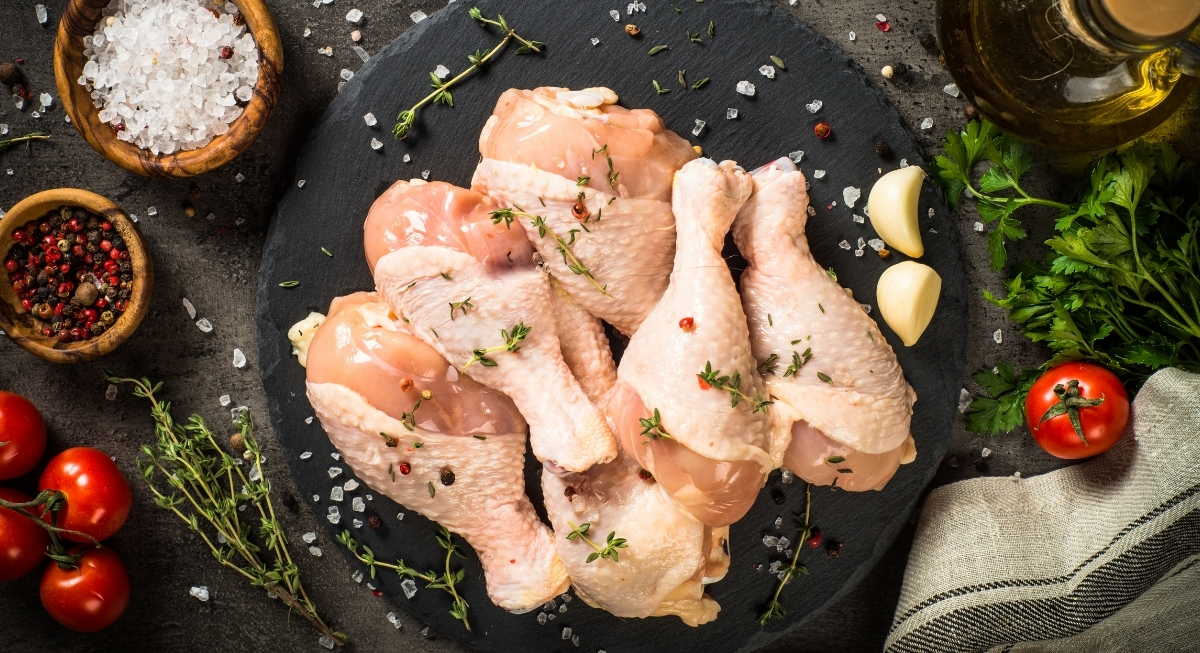
Image via Canva/nadianb
Chicken often carries bacteria like Salmonella, E. coli, and Campylobacter. The CDC estimates that about one in 25 packages may contain Salmonella, which explains why undercooked chicken can cause rapid symptoms like fever, vomiting, and diarrhea. Color alone won’t confirm safety, and the only reliable marker is temperature. Chicken should hit 165 degrees Fahrenheit internally. Washing it before cooking sounds helpful, but it just spreads bacteria around the sink area, which raises the risk for everything nearby.
Potatoes
Potatoes develop solanine when exposed to light or stored too long. That’s what causes the green tint or sprouting. The compound is a natural defense mechanism for the plant, but it can trigger nausea, stomach pain, and vomiting in people. An incident in London in 1979 showed how serious it can get. 78 schoolboys fell ill after eating potatoes stored for months, so removing green areas and sprouts is important.
Kidney Beans
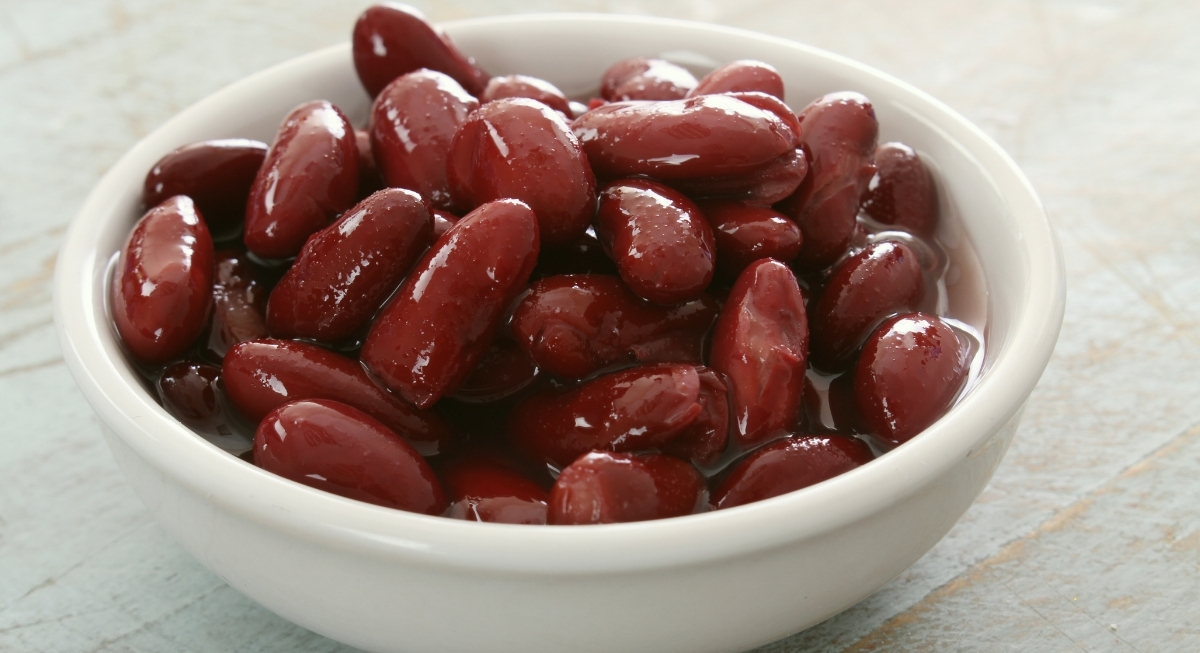
Image via Canva/Langan
Raw kidney beans contain phytohaemagglutinin, a toxin that can quickly disrupt digestion. Even a small amount can lead to intense stomach cramps, nausea, and vomiting. The beans need to be soaked first, then boiled hard for at least 10 to 15 minutes. That initial boil is what makes them safe, as skipping it can leave the toxin active, even after hours of cooking.
Lima Beans
Lima beans contain linamarin, a compound that can release hydrogen cyanide when the beans are crushed or chewed raw. Commercial beans in the United States are regulated to have set levels, but the toxin still persists. Cooking for 15 minutes or more significantly reduces cyanide levels, while longer boiling further improves safety. Raw or lightly cooked lima beans can lead to nausea and abdominal discomfort.
Rice
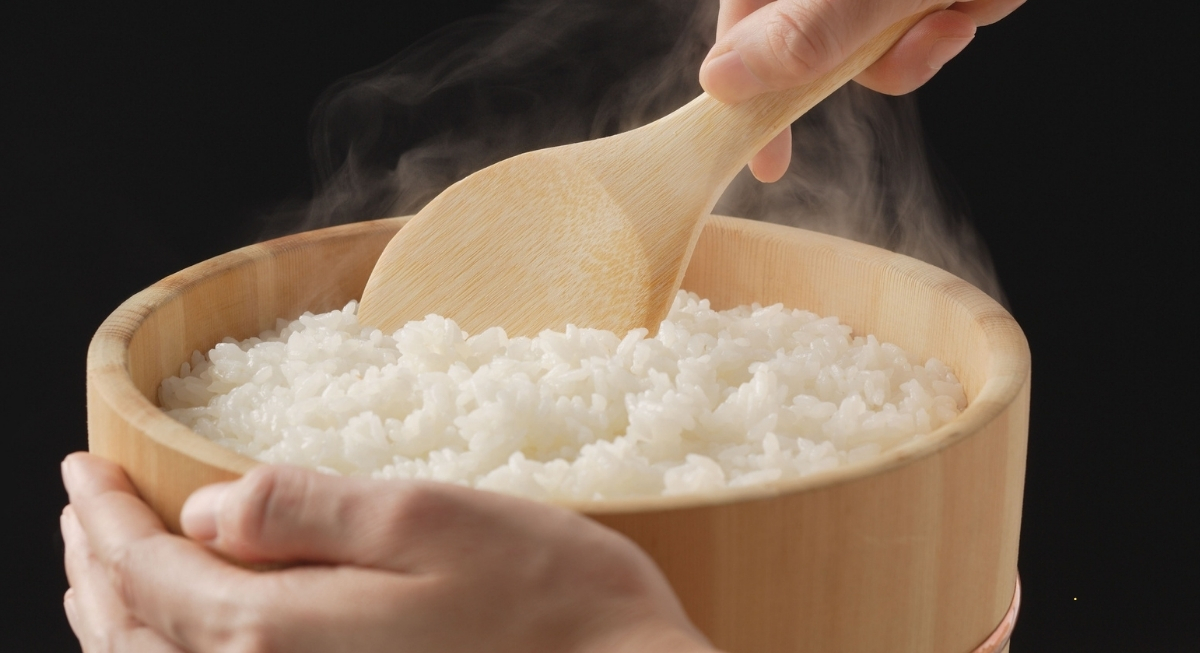
Image via Canva/Aflo Images
Rice comes with a different kind of risk. Bacillus cereus can grow when cooked rice is at room temperature. The bacteria can produce toxins that reheating may not destroy. Timing is more important than heat alone. Rice should be cooled quickly and refrigerated within two hours. There’s another aspect to this as well. Cooking rice at very high heat for too long can form acrylamide, a compound studied for possible links to cancer. Keeping cooking time controlled helps avoid both issues.
Cassava
Cassava looks like a standard root vegetable, but raw versions contain cyanogenic glycosides. These compounds can release hydrogen cyanide during digestion. Peeling, soaking, and thoroughly cooking help remove the toxins. Some cultures also ferment or dry cassava before use. Eating it raw or undercooked can lead to serious poisoning.
Bamboo Shoots
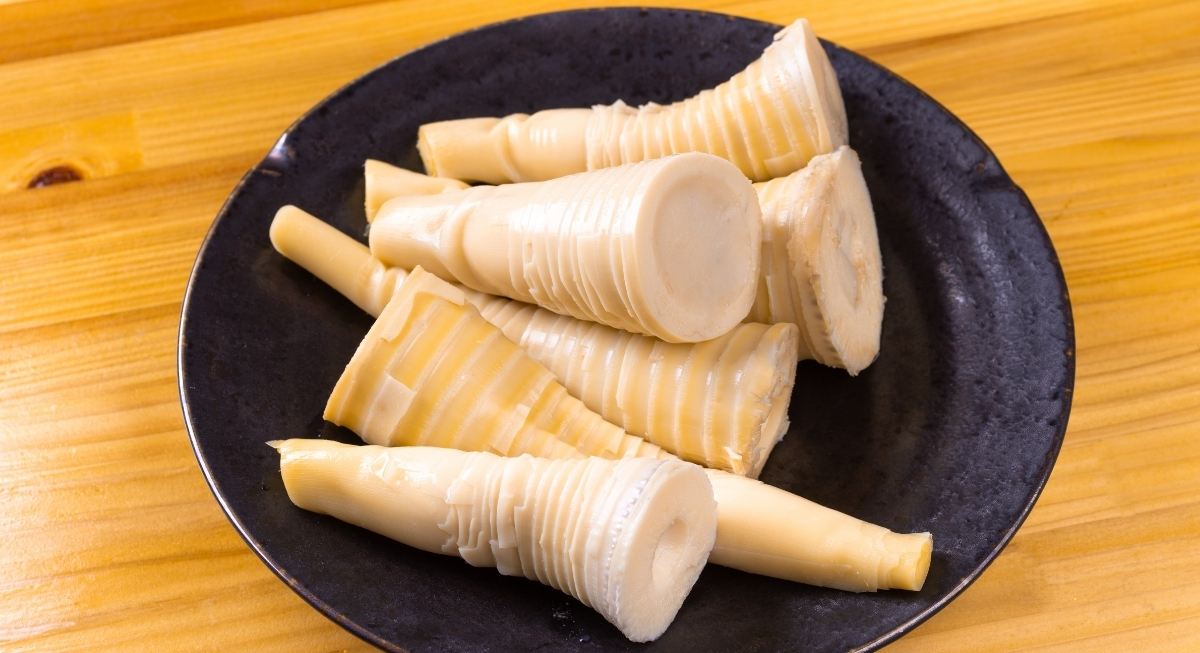
Image via Getty Images/Promo_Link
Fresh bamboo shoots contain the same class of compounds found in cassava. Cyanogenic glycosides can release hydrogen cyanide when eaten raw. Preparation takes time. The outer layers need to be removed, and the shoots must be boiled until soft, which can take 20 minutes to 2 hours. Canned bamboo shoots skip this step because they’ve already been processed, so they’re safe to use right away.
Spinach
Spinach holds nitrates and oxalates, both naturally occurring compounds. On their own, they’re manageable. Problems start with how spinach is cooked and reheated. Studies have shown that cooking can increase nitrate levels, and high heat can convert those into nitrosamines, which are considered carcinogenic. Reheating spinach multiple times or cooking it at very high temperatures raises that risk.
Rhubarb
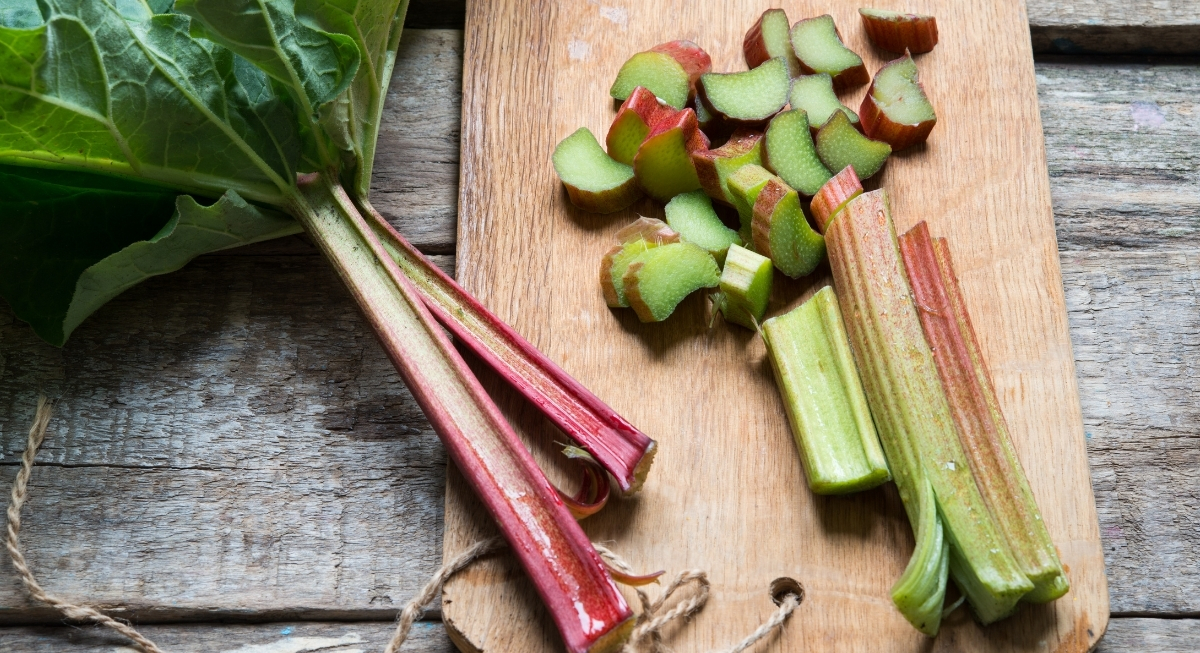
Image via Getty Images/NataliaBulatova
Rhubarb stalks are widely used in desserts, but the leaves contain high levels of oxalic acid. The compound interferes with calcium absorption and can affect kidney function at high doses. It doesn’t take large amounts to cause problems, as about 25 grams of rhubarb leaves can be dangerous. The rule here is to use the stalks, discard the leaves completely, and keep them out of anything meant for the table.