The Inventor of the Chocolate Chip Cookie Sold Her Recipe to Nestlé for a Lifetime Supply of Chocolate
In the late 1930s, a Massachusetts innkeeper created what would become the most popular cookie in the United States. That same baker later struck one of the most famous food deals in American history: she allowed Nestlé to use her recipe in exchange for ongoing chocolate supply and the right to print her instructions on its packaging. The baker was Ruth Wakefield, and the cookie was the original chocolate chip cookie.
A Cookie Born at the Toll House Inn
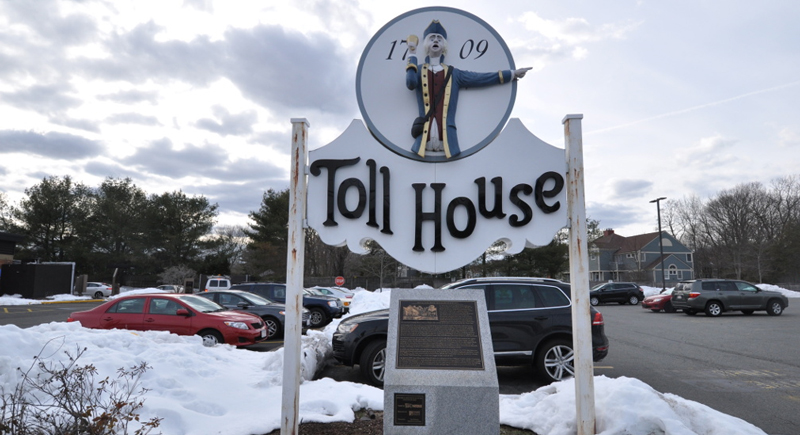
Image via Wikimedia Commons/Magicpiano
Ruth Wakefield ran the Toll House Inn in Whitman, Massachusetts, with her husband, Kenneth. The restaurant was already well-known for its desserts when Ruth began experimenting with a new cookie based on a butterscotch-style dough.
Instead of using melted chocolate, she chopped a bar of Nestlé semisweet chocolate and folded the pieces into the batter. When baked, the chocolate did not dissolve. The pieces softened but kept their shape.
This resulted in the Toll House Chocolate Crunch Cookie, named after the inn itself. Guests loved it immediately, and word spread quickly beyond the restaurant.
From Local Favorite to National Obsession
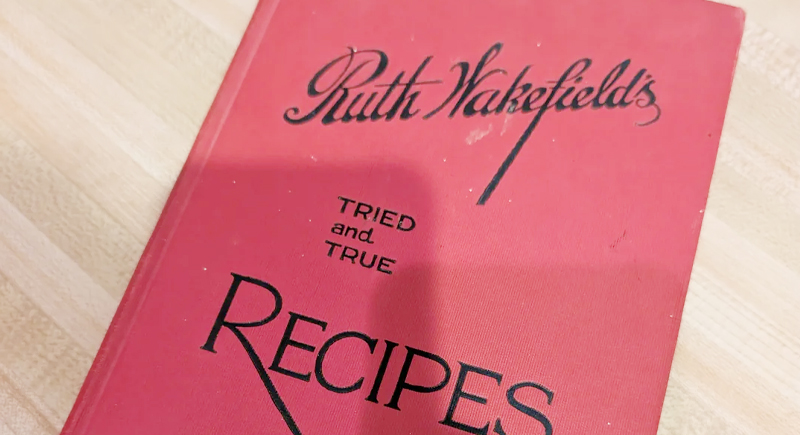
Image via Reddit/Syrup_And_Honey
Wakefield published the recipe in later editions of her cookbook, Ruth Wakefield’s Tried and True Recipes, during the late 1930s. Newspapers soon reprinted it, and radio programs highlighted it as a standout dessert from a famous New England restaurant.
During World War II, the cookie’s popularity accelerated. Soldiers from Massachusetts received Toll House cookies in care packages and shared them with others stationed across the country and overseas. Requests for the recipe multiplied, and so did demand for the specific chocolate used to make it.
The Deal With Nestlé
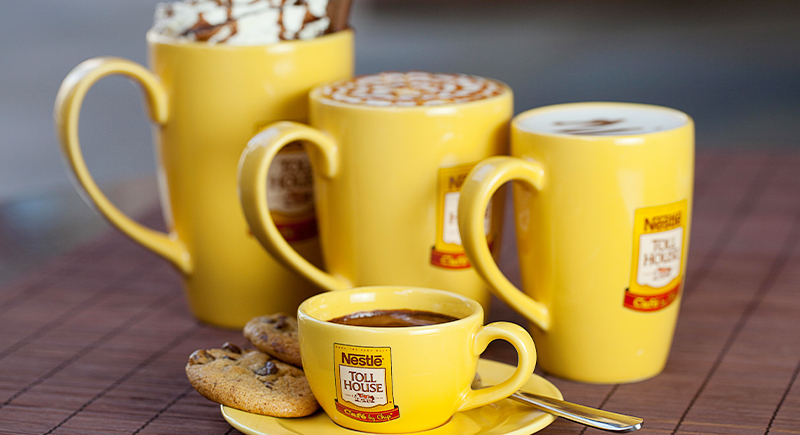
Image via Pexels/Mahmoud Salem
As sales of semisweet chocolate bars surged, Nestlé approached Wakefield about formally linking the cookie to its products. In 1939, she permitted Nestlé to print her recipe on its chocolate packaging and to associate the Toll House name with its chocolate.
Popular retellings often summarize the agreement as a trade for one dollar and a lifetime supply of chocolate. What is firmly documented is that Wakefield received ongoing shipments of chocolate and worked as a consultant, while Nestlé gained a powerful marketing tool.
Soon after, the company introduced pre-scored baking bars and later developed Nestlé Toll House chocolate morsels, now known universally as chocolate chips.
The recipe printed on those bags traces directly back to Wakefield’s original instructions, with only minor updates to reflect modern ingredients.
Lasting Impact on American Baking
The partnership transformed home baking. Chocolate chips became a pantry staple, and the Toll House cookie turned into a national standard.
Over time, the term “Toll House cookie” became so common that it lost trademark protection. Ruth Wakefield sold the Toll House Inn in the 1960s and died in 1977. The inn itself was destroyed by fire in 1984, leaving only a historical marker behind. The cookie, however, never faded.
Nearly a century later, the chocolate chip cookie remains a fixture of American kitchens, and every bag of Nestlé Toll House chips still carries the legacy of a baker who changed dessert history with a single experiment.