The Hottest Thing Someone Can Do Is Fire Up the Grill
Grilling holds a firm place in American culture. It’s treated like a weekend ritual, a badge of competence, and for many women, a moment that draws googly eyes toward the person holding the tongs. This didn’t happen randomly. A long trail of pop-culture habits, advertising trends, and decades of backyard tradition shaped the idea that handling the grill is attractive, especially for women. Even though more people now grill across genders, the cultural weight behind it still sticks.
How Outdoor Cooking Became a “Guy Thing”
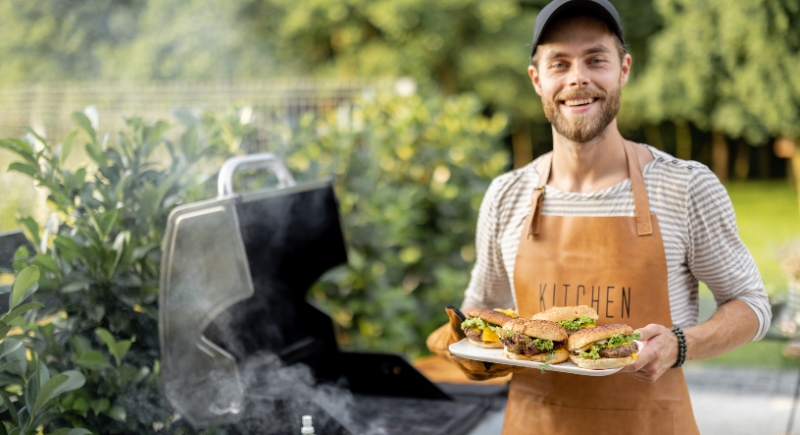
Image via Canva/Ross Helen
Earlier cookbooks from the 1800s often included outdoor cooking instructions written for women, which shows that grilling wasn’t always framed as a male responsibility. The expectation shifted during the early and mid-1900s when social roles tightened around domestic tasks.
By the 1950s, suburban growth and the rise of the nuclear family gave way for the grill to become one of the few household tools coded as belonging to the male domain. Women were pushed toward indoor food work, which covered nutrition, sides, salads, and desserts. This division grew out of social expectations and targeted marketing.
Advertisements helped lock the pattern in. Brands showed images of cowboys, soldiers, and rugged outdoorsmen. The grill was sold as the equipment for men who wanted to appear capable and hands-on. As backyard spaces grew, so did the idea that owning a grill required financial stability and homeownership, which tied the activity to status and the provider role.
Why the Grill Feels Like a Spotlight
Those old ideas still influence reactions today. Lighthearted commentary and personal stories in local papers often show that grilling functions similarly to a social performance. The person standing at the grill becomes the one directing attention, answering questions, and controlling the pace of the meal.
There’s responsibility involved, as you have to pay attention to timing and temperature management to keep the food from turning into charcoal. This role also comes with camaraderie. Groups gather around, offer advice, sip drinks, and turn it into a shared moment.
Even humor pieces that poke fun at these habits confirm how deeply the expectation sits in American culture.
How Grilling Became Connected To Gender Expectations
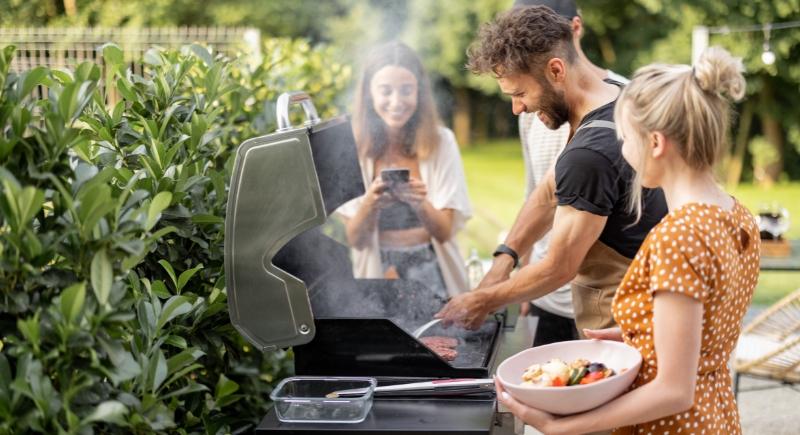
Image via Canva/Ross Helen
Media scholars who study cooking and gender found that grilling was framed as the opposite of “feminized” daily cooking. Indoor work centered on nutrition and day-to-day meals, whereas outdoor cooking was positioned as a showcase. The separation helped grilling gain a reputation as an occasional performance rather than a duty, which made it easier to assign to men while women handled the continuous household load.
Diet culture also shaped the conversation. Meat has often been marketed as a symbol of strength and energy. This framing funneled steak, ribs, and burgers into the category of “male foods.” Ads, cookbooks, and entertainment reinforced the idea that men should crave heavy cuts, while women should focus on lighter plates or salads.
The Grip Of Marketing And Consumer Culture
Grilling carries a strong consumer element. You need equipment, space, and often more money than indoor cooking requires. These factors built a story around masculinity and purchasing power. Gift guides helped keep it going. Every year, Father’s Day lists overflow with grill sets, thermometers, and accessories, while similar lists for mothers rarely include the same gear.
This cycle repeats itself because companies benefit when an activity stays symbolically tied to a specific group. The imagery of grills, fire, and backyard gatherings remains an easy way to sell products, even as American households change.
Women Grilling More Publicly Changes The Picture
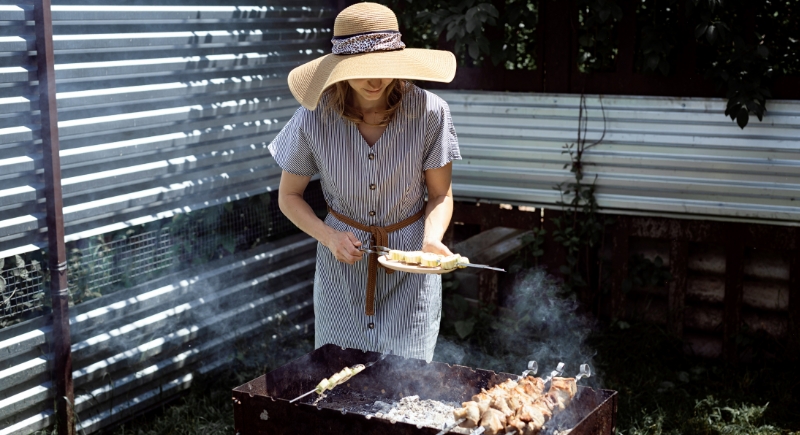
Image via Getty Images/Ilona Shorokhova
Despite the traditional framing, more women now cook over open heat at home and in professional barbecue settings. Pitmasters and food creators have opened the door wider by posting techniques, recipes, and full cookout guides online. Accounts run by women have grown sharply in recent years, and many share that they started grilling because the old stereotypes felt limiting or outdated. Even with that change, gendered comments still appear around women who grill.