The History of the Church Basement Spiral Bound Cookbook
A small spiral-bound cookbook might cost under $15 at a thrift store or estate sale, and there are often more than 1,000 listed online at any time. Many started as simple church fundraisers. They seem pretty basic, but the pages hold recipes alongside names, family traditions, and local ingredients tied to specific communities. It preserves a detailed record of everyday American life stretching back more than a century.
How Church Cookbooks Became Community Projects
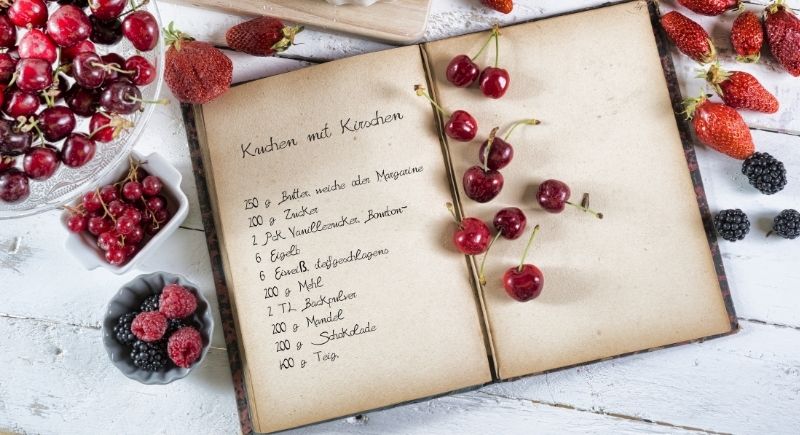
Image via Getty Images/philipimage
Community cookbooks began to take off during the late 1800s, when churches and local organizations sought creative ways to raise money. One of the earliest examples appeared in 1864 with A Poetical Cookbook, published to support Union soldiers injured during the Civil War. The idea proved successful, and more than 3,000 community cookbooks were printed between 1864 and 1922.
Church groups quickly recognized the value of the concept. Congregations gathered favorite recipes from members and organized them into small printed books. Women often led these projects. Many editions included full meals, desserts, candies, and beverages.
Local businesses sometimes purchased advertisements inside the books to offset printing costs. The remaining proceeds were directed to church repairs, building funds, or ministry programs.
The Rise of the Spiral-Bound Kitchen Classic
By the early 1900s, church cookbooks started to resemble the spiral-bound volumes many families still recognize. Earlier generations relied on kitchen journals or loose recipe cards. As printing became easier, congregations produced compact books that could survive years of use beside the stove.
Recipes usually appeared alongside the contributor’s name. Some even listed addresses or short biographies. It turned each cookbook into a social map of the congregation.
The dishes reflected everyday cooking. Contributors focused on practical meals that worked for busy households and modest budgets. Home cooks trusted the recipes because someone in the congregation had already tested them.
Cookbooks That Tell Church History
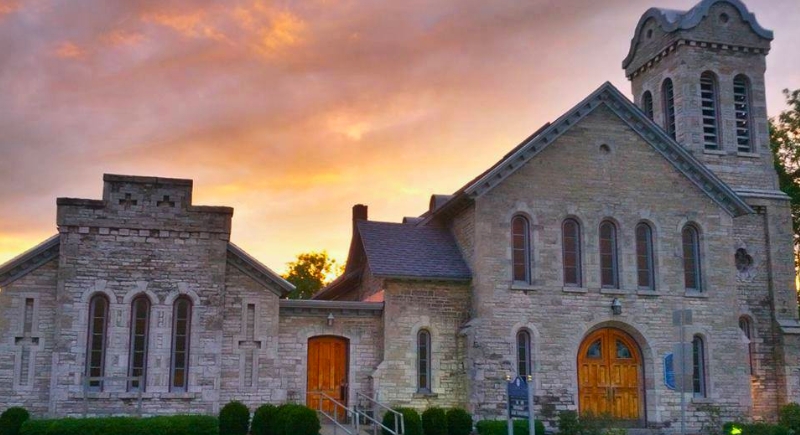
Image via Facebook/St. John’s and St. Mark’s Lutheran Canajoharie
Certain church cookbooks carry historical weight. The Mohawk Valley Cook Book, published in 1889 by the Ladies’ Society of St. Mark Lutheran Church in Canajoharie, New York, contains 108 pages and even holds a Library of Congress copyright. Copies remain accessible through the Internet Archive.
Modern congregations still create cookbooks for milestone events. Zion Lutheran Church in Anoka, Minnesota, released Reverent Recipes during its 150th anniversary celebration. Pre-sale copies sold for $10, and demand grew quickly enough to consider another print run.
The cookbooks often include photographs, church histories, and lists of past pastors. Some families submit recipes passed down for generations, adding short notes about the relatives who first made them.
Presently, recipe websites on the internet have changed the way many people cook. Fundraising trends also shifted during the 1970s, when organizations began selling catalog products such as candy or gift wrap. The change has slowed the production of community cookbooks.
Still, the tradition appears in many congregations. A recent example came during the pandemic, when Emmanuel Lutheran Church in Venice, Florida, organized a 125-page cookbook as a fellowship project. The book helped members stay connected through shared recipes and familiar meals.