The Gross Truth About What Natural Flavors Actually Are
Flip over almost any packaged snack, drink, or candy bar, and you will probably see two words that sound comforting: natural flavors. The phrase feels safe and clean, right? It sounds like something squeezed from fruit or steeped from herbs. However, the reality is more complicated and sometimes far weirder than most people expect.
Natural flavors are not fake. They are not automatically dangerous either. But they are absolutely not what most people picture when they hear the word natural. If you understand how they are made, you might never look at a label the same way again.
What “Natural Flavors” Actually Means Legally
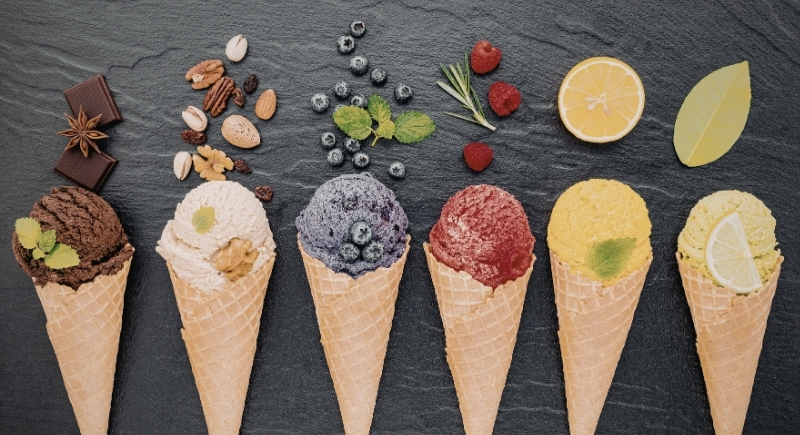
Image via Canva/Georgescu Adrian’s Images
In the United States, regulators define natural flavor based on source, not processing method or health value. If a flavor compound originally comes from plant or animal material, it can qualify as natural, even if it is heavily processed afterward.
That means natural flavors can be extracted, distilled, fermented, enzymatically altered, or chemically separated from their original source. The final result might not resemble the original ingredient at all. What matters legally is where it started, not how many lab steps happened afterward.
This is why natural flavor can show up in everything from sparkling water to protein bars to candy. It is a flexible umbrella term that encompasses essential oils, plant extracts, fermentation products, and flavor compounds derived from animal sources.
Why Companies Use Natural Flavors So Much
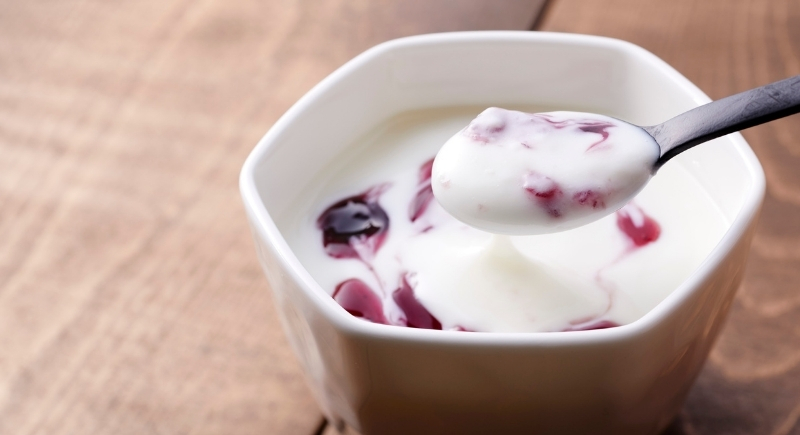
Image via Canva/Aflo Images
Big food brands care about one thing above all: consistency. If your strawberry yogurt tastes slightly different this week than it did last week, people notice. “Natural flavors” help manufacturers lock in the same taste, batch after batch, no matter where the ingredients come from or how seasons change.
But the label can be misleading. A single “natural strawberry flavor” is often a carefully crafted mix of many individual compounds blended together to recreate the taste people expect. Those compounds may come from natural sources, yet the final result is still designed in a lab to hit the same flavor notes every time.
There is also the marketing factor. “Natural” feels cleaner and more reassuring than “artificial.” Even when a product is highly processed, that word on the ingredient list can make it seem healthier than it really is.
The Strange Places Some Food Ingredients Come From
Nature is not always pretty. And the food industry has learned to use parts of nature most people never think about.
Some red food dyes historically came from crushed insects. Certain flavor compounds can be derived from fermentation or animal-derived sources. A substance called castoreum, which historically came from beaver scent glands, has been used as a flavoring in extremely rare cases. Today it is almost never used because it is expensive and impractical, but it remains technically classified as natural.
Other ingredients sound less shocking but still surprise people. Carrageenan comes from seaweed and helps stabilize dairy products. Rennet used in cheese can come from animal stomach enzymes. L-cysteine used in bread softening can be synthesized or sourced from natural protein materials.
None of this automatically makes food unsafe. It just reveals how industrial food production really works.
The Labeling Mystery Nobody Talks About
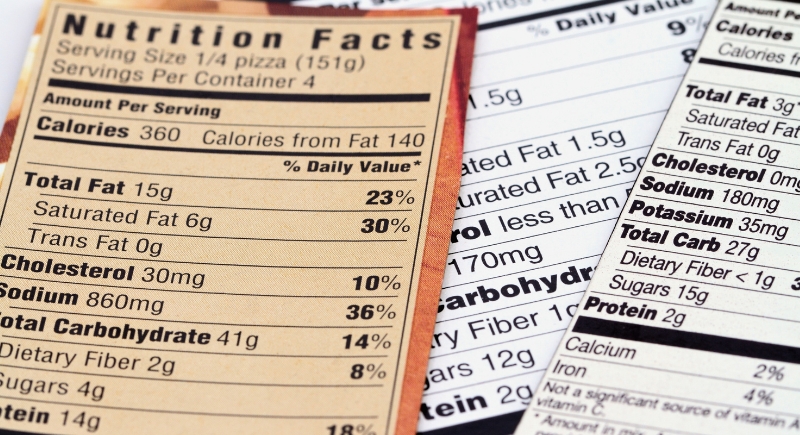
Image via Getty Images/NoDerog
One of the biggest surprises is how little detail companies have to reveal. If a product lists natural flavors, it does not have to specify the exact recipe. That can include flavor carriers, stabilizers, or processing helpers that are still considered safe but not individually listed.
Flavor formulas are treated as proprietary trade secrets. That means two identical labels might contain completely different flavor blends. For people with strict dietary rules, allergies, or ethical food concerns, this can create real uncertainty.
Natural flavor has nothing to do with nutritional quality. A soda can contain natural flavors and still be loaded with sugar. A candy bar can use natural flavors and still be candy.
The Reality of Modern Food Production
Large-scale agriculture and manufacturing are never perfectly clean. Food regulators even set allowable limits for microscopic contaminants, such as insect fragments or organic debris, because absolute purity is impossible at an industrial scale. Sounds gross, but it is also part of how the global food supply stays affordable and stable.
So, should you avoid natural flavors completely? Not necessarily. Most natural flavor compounds are considered safe in the amounts used in food. The bigger takeaway is awareness. If someone wants maximum transparency, whole foods with minimal processing offer the clearest ingredient picture.