The First Pizza Delivery Happened in 1889 for a Queen
In the late 19th century, pizza in Naples was seen as food for common people. It was inexpensive and prepared quickly. Italian nobility generally preferred elaborate meals that reflected status and wealth.
In 1889, King Umberto I and Queen Margherita of Savoy visited Naples. During the trip, legend says the queen grew tired of the heavy, formal dishes served at court. Accounts say she requested food that ordinary Neapolitans enjoyed. In Naples, that meant pizza. The request challenged social norms because a queen choosing street food was unusual.
Raffaele Esposito Gets The Call
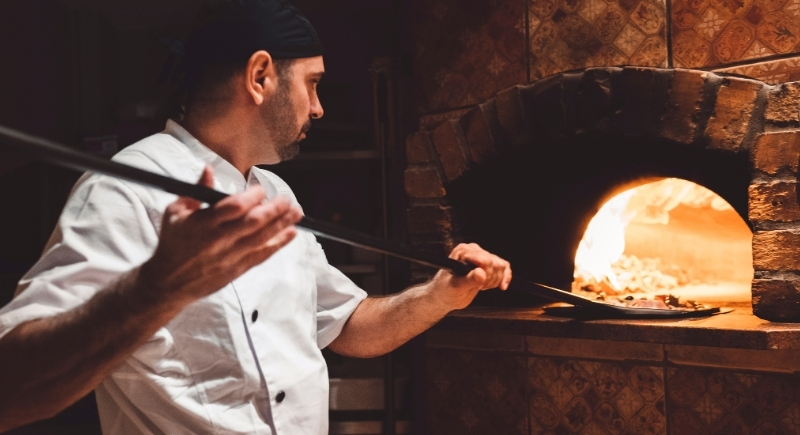
Image via Getty Images/Ziga Plahutar
The royal household summoned Raffaele Esposito, a respected pizza maker in Naples. Esposito prepared three different pizzas for the king and queen. One featured mozzarella, basil, and tomatoes arranged to reflect the colors of the Italian flag: white, green, and red.
Royal protocol prevented the king and queen from visiting a local pizzeria. So Esposito brought the pizzas directly to the palace himself. As far as history is concerned, that act in 1889 is the first recorded pizza delivery.
The queen reportedly favored the mozzarella, basil, and tomato version. Esposito later named it Pizza Margherita in her honor. A few days after the delivery, the head of table service for the royal household sent Esposito a thank-you letter confirming that the pizzas had pleased Her Majesty.
A Dish Moves Up In Status

Image via Wikimedia Commons/Giorgio Pallavicini
Queen Margherita’s endorsement helped elevate pizza’s image in Italy. A food associated with commoners now had a royal connection. The Margherita pizza became a symbol of national pride, especially in a newly unified Italy.
The delivery itself also planted an idea: food could travel to the customer. For decades, that concept was limited because large-scale delivery required transportation systems and urban density that developed later.
America Picks It Up After World War II
Pizza spread widely in the United States after World War II. American soldiers who had been stationed in Italy returned home with a taste for it. Demand increased in cities such as New York, where pizzerias began offering pies prepared for customers to take home.
Los Angeles later experimented with free delivery, further pushing the idea. By the 1960s, as car ownership became common across American households, restaurants expanded delivery services. Pizza chains leaned into speed and convenience, even advertising “30 minutes or less” guarantees. The policy faded in 1993, but it showed how competitive delivery had become.
In the mid-1990s, the Internet introduced another switch. From 1994 to 1997, an experimental service called PizzaNet allowed customers to place orders online. Early users treated it with skepticism. Today, digital ordering dominates the industry.
In 2016, some pizza companies tested drone deliveries. By 2017, discussions around driverless car delivery gained traction. The concept of food arriving without a traditional driver no longer seemed far-fetched.