The Economic Reality Making Lobster Rolls So Incredibly Expensive
A lobster roll used to be a splurge, but these days, it feels like a major financial decision. Prices pushing past $30 have become common in many coastal towns, while some tourist hotspots charge even more. But how can a sandwich cost so much? Well, hidden behind that pile of meat is a chain of costs that stretches from the ocean floor to the restaurant counter.
Lobsters Don’t Come From Farms
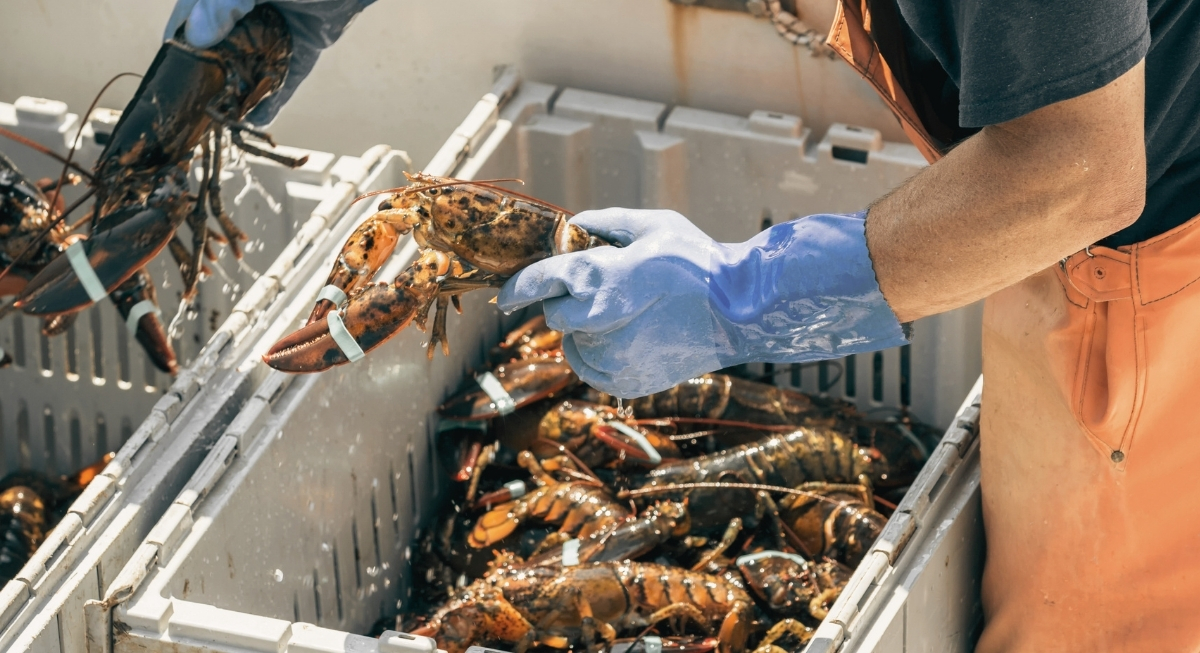
Image via Canva/David Wood
Many popular foods became more affordable thanks to large-scale farming. Chickens, cattle, and salmon can all be raised in controlled environments that produce a steady supply. Lobsters are a different story.
American lobsters grow slowly, consume large amounts of food, and face disease challenges that make commercial farming difficult. As a result, restaurants and seafood suppliers still depend largely on wild-caught lobster. This creates an immediate limit on supply. When demand rises, there isn’t a network of farms ready to flood the market with more product.
Keeping Lobsters Alive Is Expensive
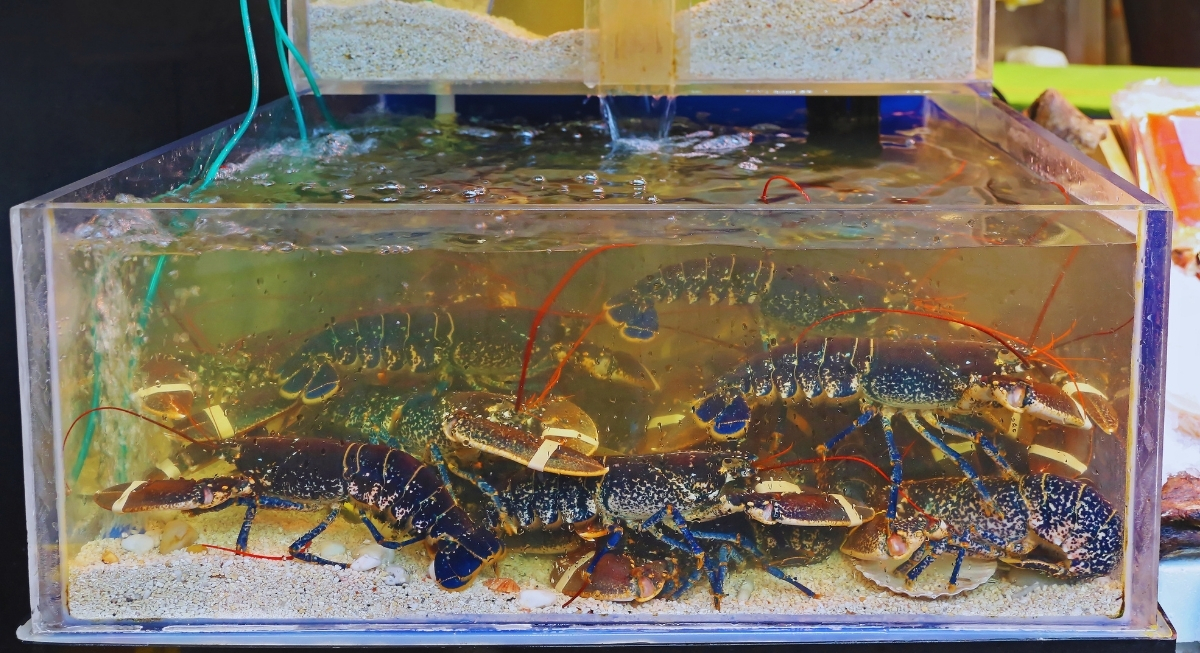
Image via Getty Images/Baloncici
The journey after a lobster leaves the water adds more cost. Lobsters are usually transported alive because quality drops quickly after death. They must remain cool, moist, and well-oxygenated during shipping. Moving live seafood across long distances requires specialized handling that isn’t cheap.
For restaurants outside major lobster-producing regions, transportation costs can become a significant part of the final price. Every shipment also carries risk. Some lobsters die before reaching their destination, and those losses get absorbed into overall operating costs.
Even businesses in New England have reported sourcing challenges in recent years. Some lobster shacks that once relied heavily on local catches now supplement supplies with lobster brought in from other regions.
The Labor Behind Every Roll
Many customers look at a lobster roll and focus on the lobster itself, but the labor behind that meat often goes unnoticed. Before a roll can be served, workers must cook the lobsters, crack the shells, remove the meat, clean it, sort it, and portion it. The process takes time and skilled labor.
Premium lobster rolls raise the cost even further. Some restaurants use tail meat along with claw and knuckle meat. Tail meat commands a higher value because it can also be sold separately to restaurants for other dishes.
A quarter-pound lobster roll may require roughly one 1¼-pound hard-shell lobster to produce enough meat. The math becomes even tougher during periods when lobsters contain more water and less usable meat.
Every Stop Adds Another Cost
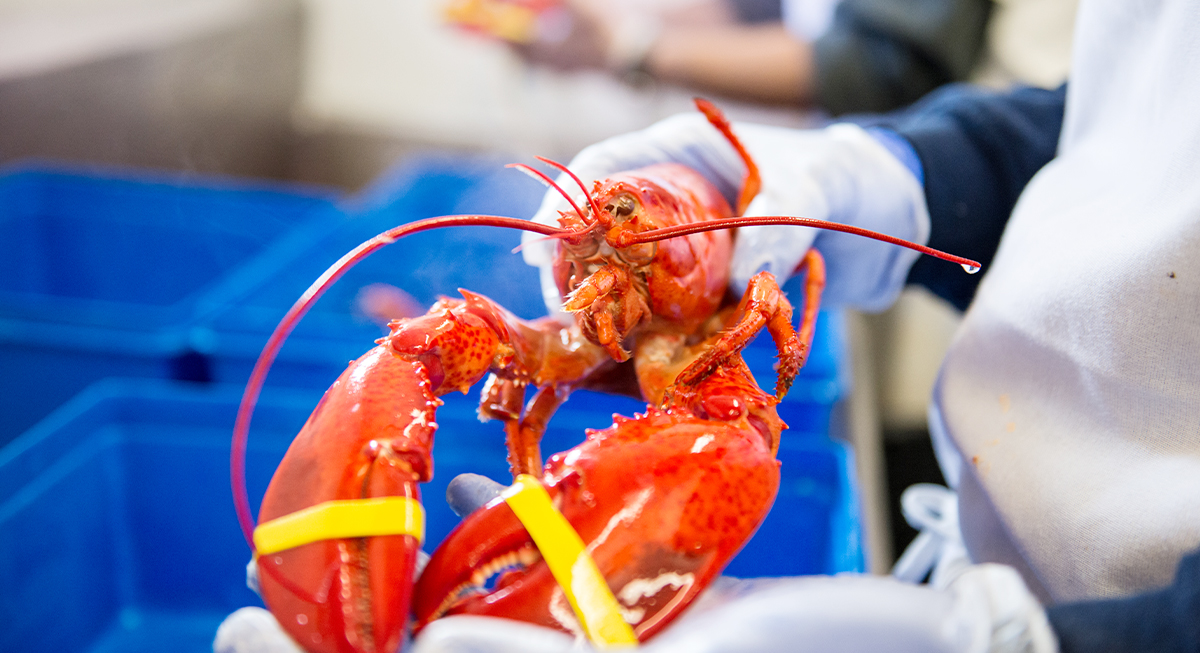
Image via iStockphoto/bernardbodo
A typical lobster may pass through dealers, distributors, processors, transportation networks, wholesalers, and retailers before reaching a customer. Every business involved has expenses to cover and margins to maintain.
The lobster itself isn’t the only item getting more expensive, either. Restaurant owners have pointed to higher labor costs, fuel prices, packaging expenses, bait costs, side dishes, and ingredients as contributors to rising menu prices.
A Regional Favorite Became a National Obsession
Supply pressures became even more pronounced as lobster rolls expanded beyond their New England roots and reached major cities across the country. Demand grew beyond the communities where lobster fishing takes place.
Today, the same limited lobster supply serves seafood shacks, upscale restaurants, grocery stores, food trucks, and customers nationwide.