The Dark Truth Behind Your Bag of “Baby” Carrots
Grocery stores sell more than 1 billion pounds of baby carrots each year in the United States, and the label suggests something that’s healthy. Sales surged after the 1980s when pre-cut produce started dominating snack aisles, and the uniform look helped turn carrots into a grab-and-go staple. Having said that, the neat shape, bright color, and long shelf life have raised questions that the package hardly addresses.
They’re Not Actually “Baby” Carrots
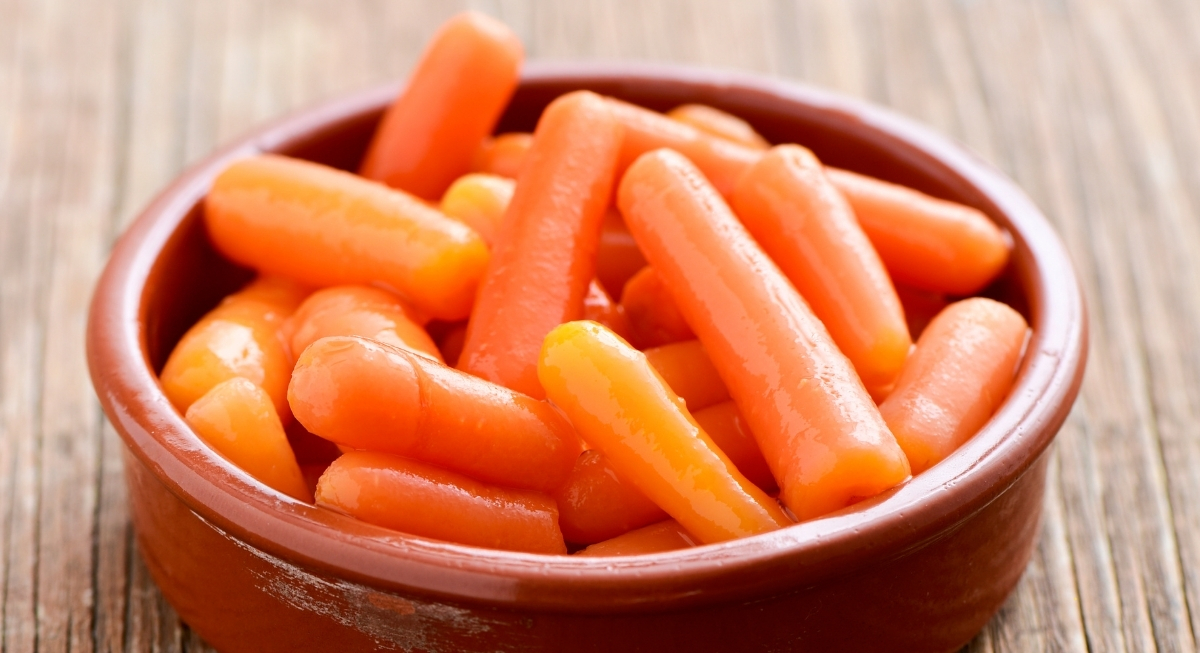
Image via Getty Images/nito100
The name is the first misconception. Most baby carrots are not immature vegetables pulled early from the ground. Producers grow specific carrot varieties that are naturally slimmer, then harvest them at full maturity. These carrots can reach 8 to 10 inches in length before processing.
After harvest, machines cut them into smaller pieces, usually around two inches long. The goal is consistency, which explains why every piece in the bag looks almost identical. The term “baby” refers to size after processing.
How They Get That Perfect Shape
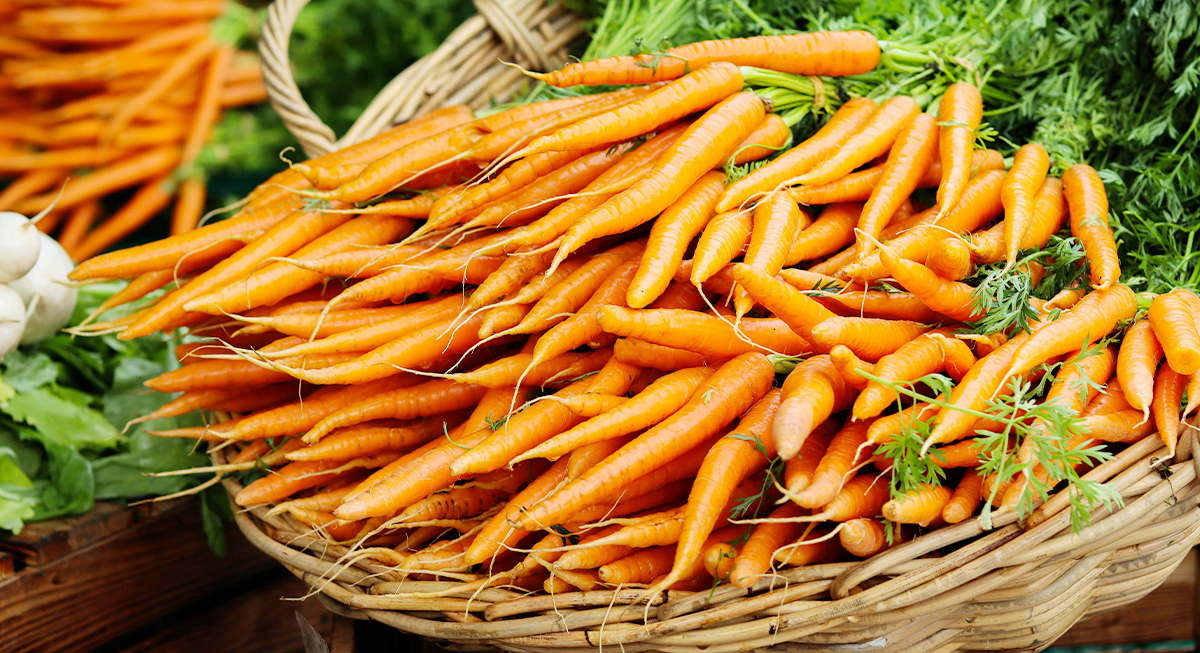
Image via Pexels/Hana Mara
Once cut, the carrot pieces go through abrasive peelers that remove the outer layer. Then they tumble together in large drums, similar to a rock polisher, which rounds the edges and creates that signature shape.
This step explains why baby carrots feel smoother than regular peeled carrots. It also explains why they can look slightly different inside. The core is still there, but it appears thinner because of the carrot variety used.
Nothing really goes to waste during this process. The leftover pieces are often turned into shredded carrots for salads, while the peels and trimmings are commonly used as animal feed.
The Chlorine Discussion
Image via Getty Images/designer491
There has been a lot of confusion about whether baby carrots are rinsed in water containing a small amount of chlorine.
Producers report using about four parts per million of chlorine in the wash water. That level falls within limits set for public drinking water in the United States. The purpose is to help reduce the risk of bacteria such as E. coli and to keep both the equipment and the carrots sanitary during processing.
Why That White Film Shows Up
Opening a bag and seeing a pale, chalky layer on the surface can feel like a red flag. That effect, often called carrot blush, has a simple explanation. Once carrots are peeled, their surfaces lose moisture more quickly. The white film forms due to dehydration, not chemicals or spoilage.
The carrot is still safe to eat, though the texture may feel a bit drier. A quick soak in cold water can restore some of the color and firmness.
The convenience is clear. There is no peeling, cutting, or cleanup. At the same time, the extra handling changes the texture slightly and shortens how long they stay crisp once opened.