The Country With Over 3000 Types of Bread and a World Record
The German Institute for Bread maintains a national bread register listing more than 3,200 officially recognized bread types. The number helped secure international recognition when German bread culture was added to the UNESCO Intangible Cultural Heritage list in 2015. Some tourism boards and industry sources cite 3,000-plus baked goods sold daily nationwide.
This level of variety connects directly to history. Before unification in the 19th century, modern Germany existed as hundreds of smaller states, duchies, and trade cities. Each region developed local baking traditions tied to available grains, local farming patterns, and regional taste preferences. Those traditions never merged into a single national style; they were stacked together.
Climate also played an important role. Northern and central regions support rye and spelt farming more easily than wheat. Rye contains less gluten than wheat, which requires longer fermentation and produces a stronger sour flavor. That flavor profile became part of national taste preferences over centuries.
Bread As Daily Life, Not Just Food
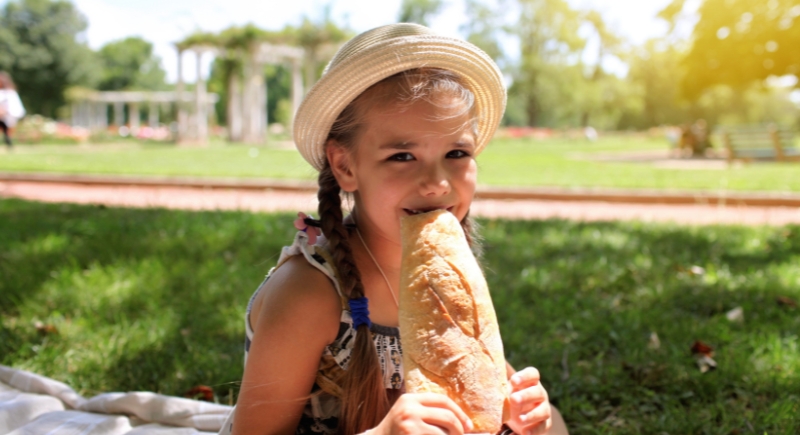
Image via Canva/mariasymchychphotos
Bread appears throughout German culture and daily life. The word ‘Broterwerb’ means earning a living; ‘Pausenbrot’ describes a work- or school-snack; and ‘Abendbrot’ literally means evening bread, a common dinner style built around bread, cheese, meats, and spreads.
Bread even entered pop culture. The children’s TV character Bernd das Brot has aired on German television since 2000. Bread also dominates meal structure. Bakeries are central to daily shopping, and many supermarkets still include in-store bakeries. While other countries leaned toward fast lunch chains, Germany built quick meals around filled bread rolls called ‘belegte Brötchen.’
The Science Behind The Dense Texture
German bread differs strongly from lighter white breads common across Europe and North America. Whole grains, seeds, and mixed-grain flours are common, and rye, spelt, and wheat blends dominate production.
The dense structure is intentional, as whole-grain breads have higher fiber and nutrient density than refined white bread. Traditional sourdough fermentation also improves shelf life and flavor depth. Many recipes pass through generations with small local adjustments rather than industrial standardization. Some breads even carry legal definitions; ‘Vollkornbrot’ must contain at least 90 percent whole grain flour under German food regulations.
A Craft Industry With Formal Training
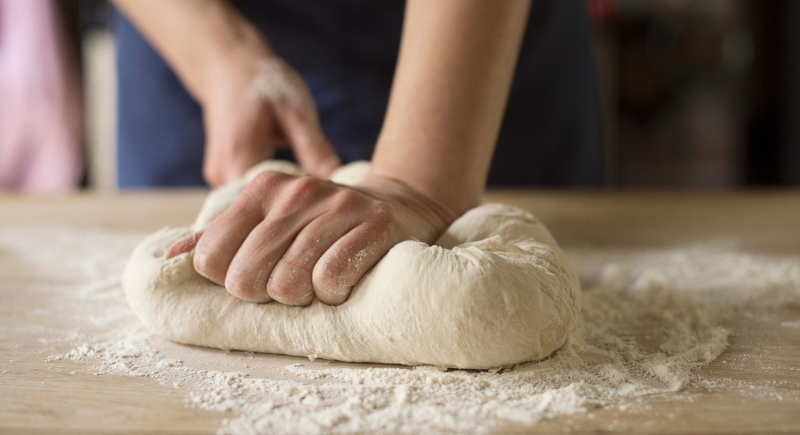
Image via Canva/Science Photo Library
Baking is a respected skilled trade in Germany. Formal training programs require years of technical and creative education. National quality standards regulate size, structure, and ingredient balance across bread categories. The German Institute for Bread also selects a “Bread of the Year.” In 2025, that title went to ‘Nussbrot,’ a nut-based bread.
Despite its strong tradition, the industry faces modern pressure. Some large bakeries struggle to recruit younger workers willing to train in the physically demanding trade. At the same time, smaller artisan bakeries continue developing new recipes built on local ingredients, especially in cities such as Berlin, Hamburg, and Munich.
Regional Bread As Edible Geography
Regional bread styles reflect local identity across Germany’s federal states. Northern regions produce darker rye breads and pumpernickel, while southern areas produce softer wheat breads and pretzels. Cities contribute signature baked goods, such as Dresden’s stollen cake and Hamburg’s franzbrötchen.