The Best and Worst Cooking Oils to Use in Your Air Fryer, According to a Chef
Air fryers cook food at higher, more concentrated heat than stovetops or ovens, which makes your oil choice more important than many people realize. Oils that perform well in pans can smoke, break down, or turn bitter inside an air fryer within minutes. Chefs note that these failures often stem from oil chemistry under circulating heat. Knowing which oils are stable and which are prone to breaking down explains why some air fryer meals turn crisp while others disappoint.
Peanut Oil
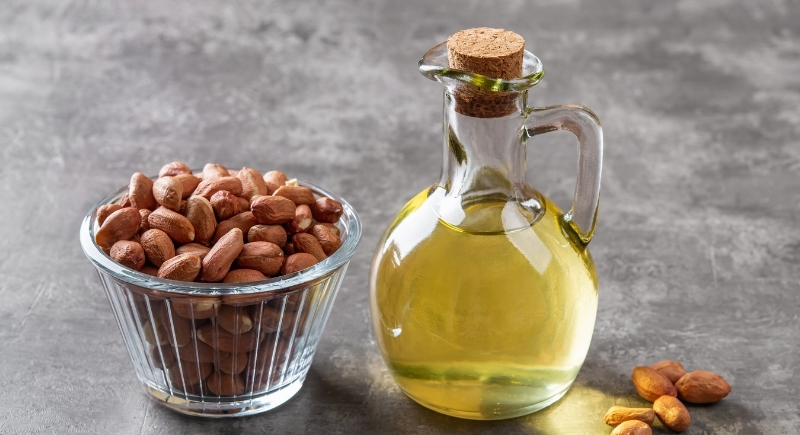
Image via Canva/mabaff
Peanut oil handles high temperatures well, with a smoke point around 450°F (230 °C). This is important inside an air fryer, where heat is concentrated and cook times are short. Peanut oil also brings subtle flavor depth that works well with proteins and vegetables. It delivers crisp results without breaking down, and costs less than many trend-forward options.
Avocado Oil
With a smoke point between 375°F and 400°F, or roughly 190°C to 270°C, avocado oil is stable during most air-frying sessions. Its neutral taste helps keep seasoning in check, and it contains a high amount of monounsaturated fats. The only drawback involves price. It performs well, but frequent air fryer users may notice the cost adds up faster than other options.
Grapeseed Oil
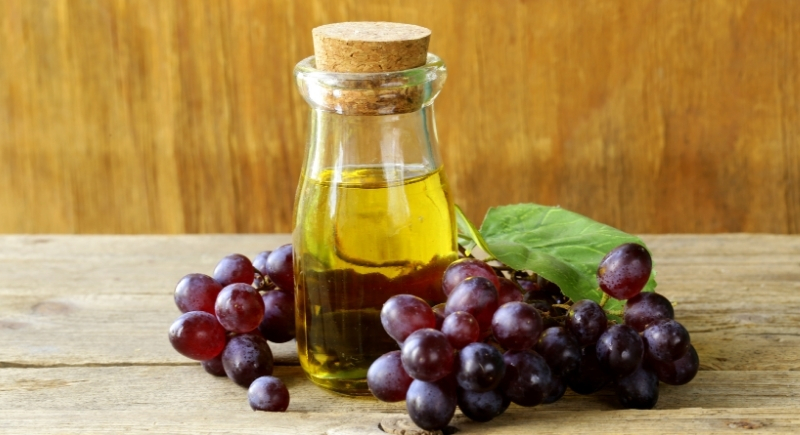
Image via Canva/Olga Kriger
Grapeseed oil works well for cooks who want a light, clean finish. Its smoke point is around 390°F (195°C), which covers most air fryer settings. It spreads easily in thin layers and avoids overpowering delicate foods. Grapeseed oil also contains vitamin E, though its biggest strength remains its consistency rather than its nutritional claims.
Light Olive Oil
Refined or light olive oil often surprises people. It handles higher heat better than extra virgin versions, reaching smoke points of 240°F to 245°C (about 115°C to 118 °C). It retains some of olive oil’s health benefits while staying stable during air frying. This option suits cooks who enjoy olive oil flavor but need better heat tolerance.
Ghee
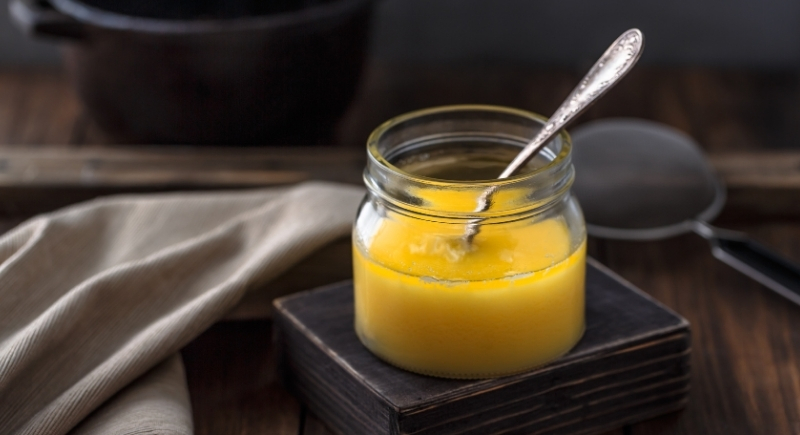
Image via Getty Images/fazeful
Clarified butter has richness without the fragility of standard butter. Ghee reaches its smoke point around 250°C (482°F), which makes it suitable for high-heat cooking. It adds a buttery note that pairs well with vegetables, potatoes, and meats. The flavor is also noticeable, so it works best when richness is intended.
Extra Virgin Olive Oil
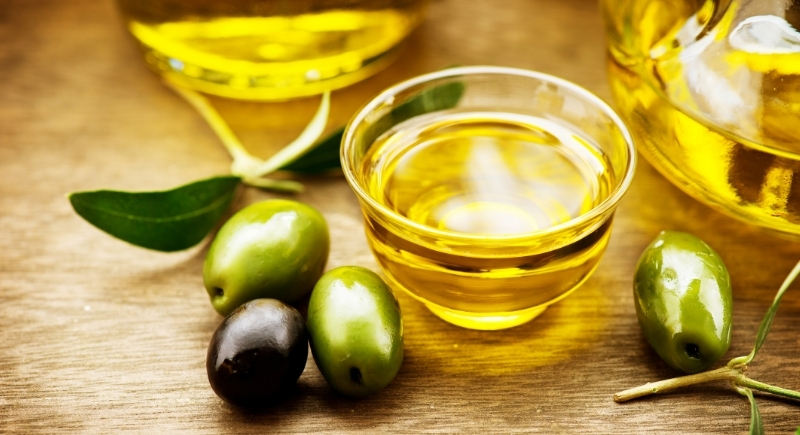
Image via Canva/Anna Subbotina
Extra virgin olive oil struggles in air fryers. Its lower smoke point means it breaks down quickly under circulating heat. That breakdown affects flavor and can create smoke even during short cooks. This oil shines in dressings and finishing touches, but air fryers push it beyond its comfort zone.
Unrefined Coconut Oil
Virgin coconut oil brings aroma and sweetness, yet its smoke point hovers too low for reliable air frying. It tends to burn before the food finishes cooking, especially in compact baskets where ingredients are close to the heating element. Refined coconut oil performs better, but unrefined versions usually disappoint.
Butter
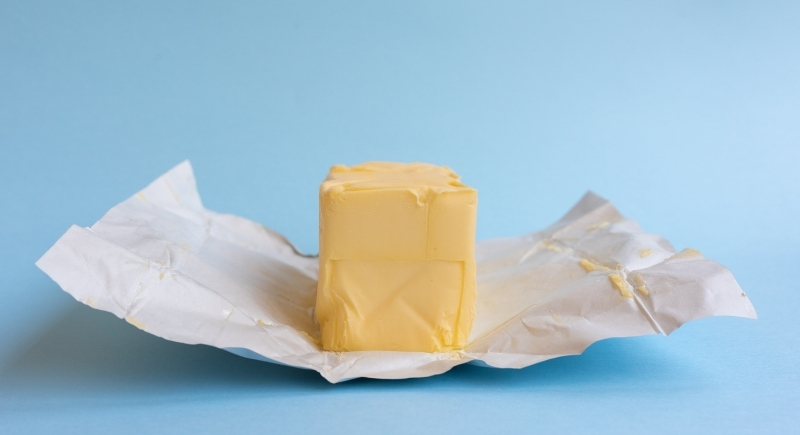
Image via Getty Images/natalie_board
Butter hardly belongs in an air fryer because its milk solids scorch easily, leading to uneven browning and burnt flavors. Melted butter also spreads unevenly, increasing the chance of smoking and sticking. Ghee exists for a reason, and this is one of them.
Aerosol Cooking Sprays
Pressurized sprays cause more trouble than most people realize. Many contain additives that damage nonstick coatings over time. They also apply oil unevenly, which affects browning and texture. Refillable pump sprayers paired with stable oils give better control and protect the basket.
Toasted Sesame Oil
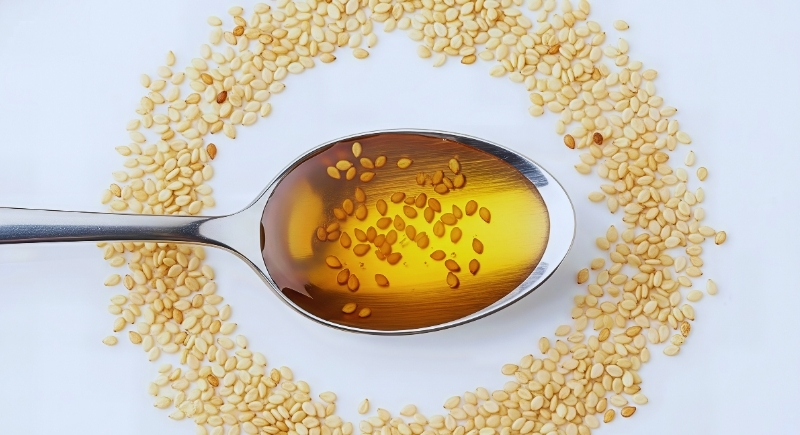
Image via Canva/DigitalShop62
Sesame oil works best as a finisher. High heat strips its signature flavor quickly, which leaves food flat rather than fragrant. Inside an air fryer, it loses purpose fast and offers little return for the cost.