The $162 Billion Food Waste Problem—and 9 Ways Restaurants Can Fix It
Rising ingredient costs, shifting dining habits, and a persistent operational blind spot are driving significant losses for restaurants. Food waste accounts for up to $162 billion in lost profits each year, with about 17% of meals going uneaten. Nearly 70% of that waste comes from food left on diners’ plates.
At the same time, new technology and changing consumer behavior are forcing operators to adapt. Leading restaurants are no longer treating waste as a secondary issue—they are addressing it as a core business strategy.
Rethink Portion Sizes Before They’re On The Table
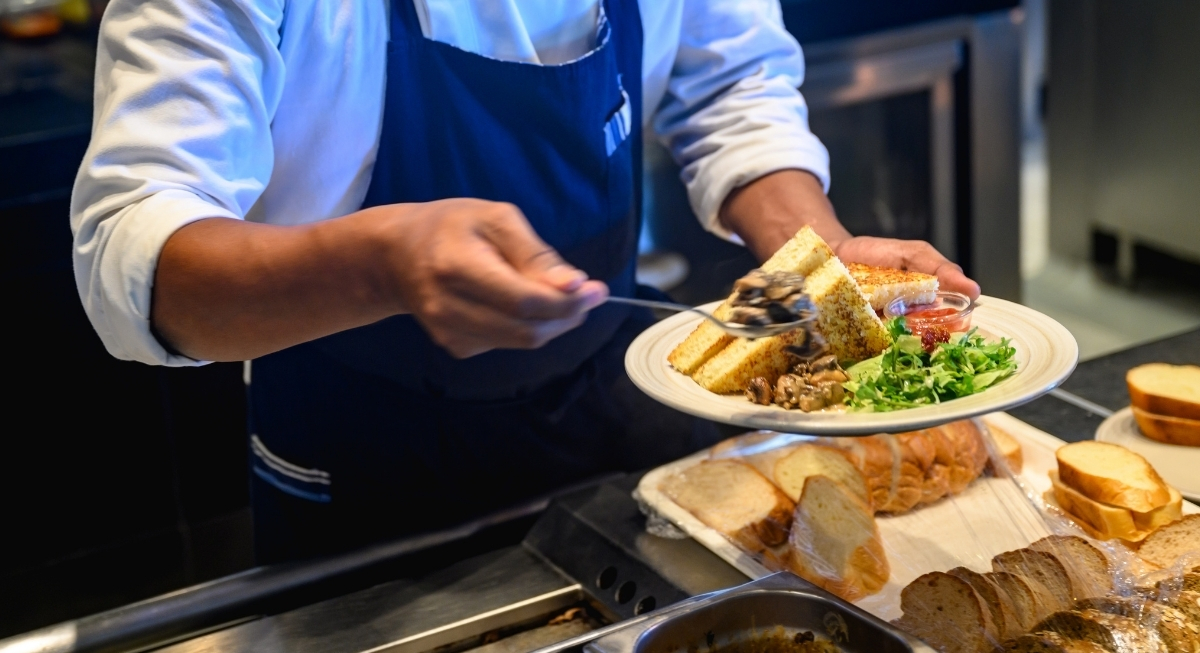
Image via Getty Images/webphotographeer
Oversized servings look generous but often end up in the trash. Aligning portions with what people actually finish can quickly cut waste. With only about 20 percent of restaurants tracking plate waste, this remains one of the easiest wins hiding in plain sight.
Turn Default Sides Into Optional Choices
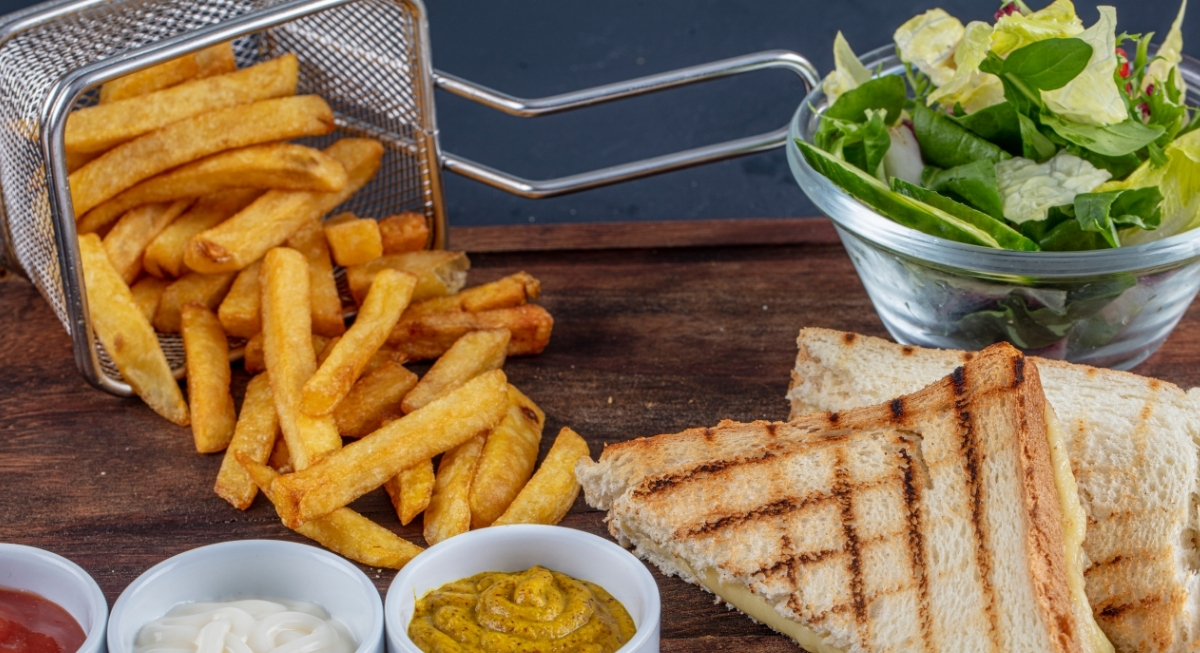
Image via Getty Images/asikkk
Fries, bread, and side salads are often handed out without being requested. These extras account for a large share of waste. A simple shift to opt-in sides gives customers control and stops kitchens from preparing food that never gets eaten.
Let Data Call The Shots In The Kitchen
AI tools are stepping in to help reduce waste. Systems like Winnow track what gets thrown away and feed that data back to chefs. One resort in Costa Rica cut food waste by 50 percent within eight months after installing it, simply by adjusting output.
Design Menus Around Flexibility

Image via Getty Images/JackF
Fixed plates can lock diners into portions they don’t want. Build-your-own formats change that. Chains like Chipotle and Cava have already shown that when customers choose each component, waste drops and satisfaction rises.
Adjust For Changing Appetites
Medications like Wegovy and Zepbound are reshaping how people eat. Usage could climb from six to eight percent today to as high as 15 percent in the next few years. Diners are ordering less and leaving more behind, which makes right-sized portions more important than ever.
Repurpose What Used To Be Scraps

Image via Pexels/Szymon Shields
Kitchens are finding value in leftovers that once went straight to the bin. Croissants can turn into bread pudding, vegetable trimmings into stock or chutney, and beef trim into new dishes. This approach lowers costs while adding fresh items to the menu.
Use Pricing To Guide Behavior
Customers react better to clear options. Offering tiered portion sizes with visible price differences avoids backlash and helps diners feel in control. When the value is obvious, smaller portions don’t feel like a downgrade.
Track Waste Where It Actually Happens
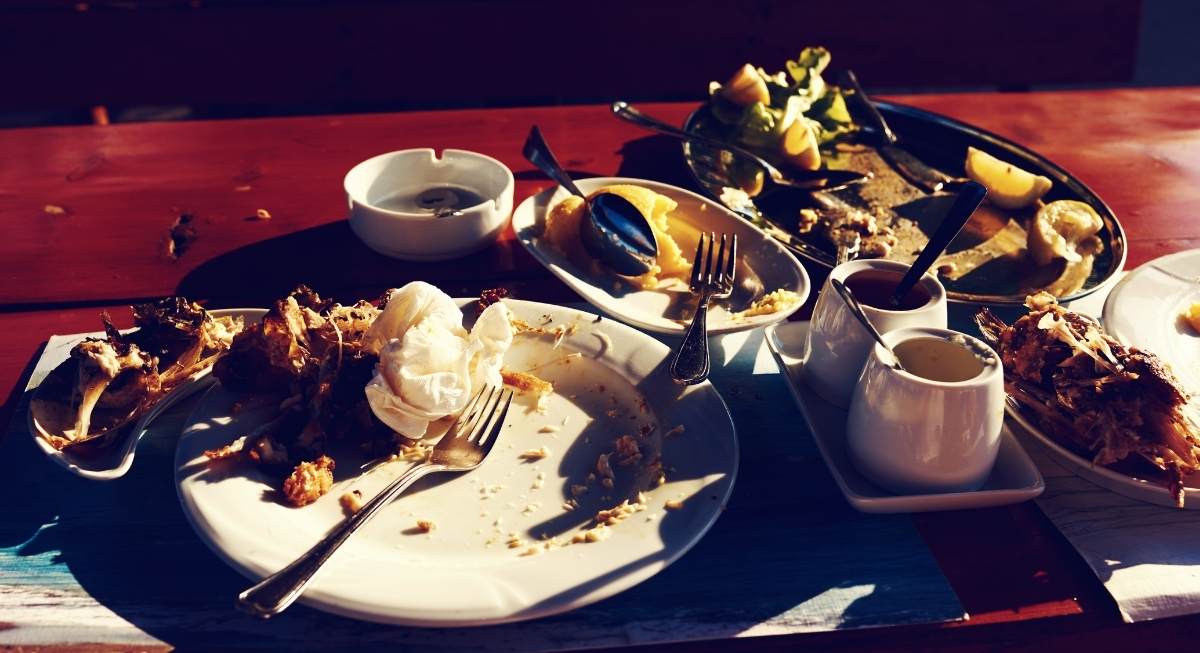
Image via Getty Images/stock_colors
Back-of-house waste gets attention, but front-of-house waste often slips through the cracks. Plate leftovers are the biggest gap. Measuring what comes back uneaten helps restaurants identify patterns and fix them faster.
Turn Waste Reduction Into A Selling Point
Cutting waste is starting to shape brand identity. Diners care about value, but they also care about sustainability. Restaurants that communicate portion flexibility and smarter sourcing can stand out in a crowded market while improving margins.