The 10 Oldest American Chain Restaurants You Can Still Dine At Today
The American restaurant chain model took shape in the late 19th and early 20th centuries, as urban growth, rail travel, and industrial kitchens enabled the standardization of food across locations. Early operators focused on fixed menus, centralized supply, and repeatable service, which allowed them to expand beyond a single city. Several of these early chains survived economic downturns, changing tastes, and industry shifts, and are still operating more than a century later.
Nathan’s
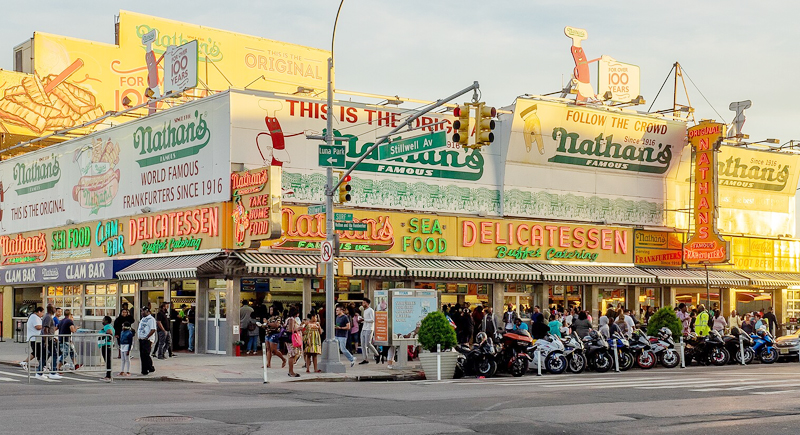
Image via Wikimedia Commons/Ajay Suresh
Nathan Handwerker opened a hot dog stand in 1916 on Coney Island in Brooklyn, selling each hot dog for five cents. His low prices drew attention, but the real win came from steady quality and word of mouth. Over time, the stand grew into a national brand, helped by its annual Fourth of July hot dog eating contest, which still takes place at the original location.
A&W
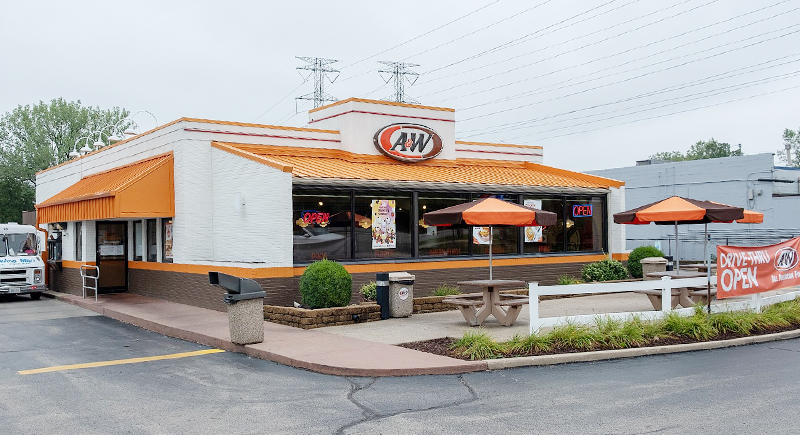
Image via Wikimedia Commons/Joseph Gage
In 1919, Roy W. Allen launched a root beer stand in Lodi, California, and later partnered with Frank Wright. By 1926, A&W had started franchising and became one of the earliest restaurant chains to scale that way. Its drive-in service, where carhops delivered food to parked cars, became a defining feature of early roadside dining.
White Castle
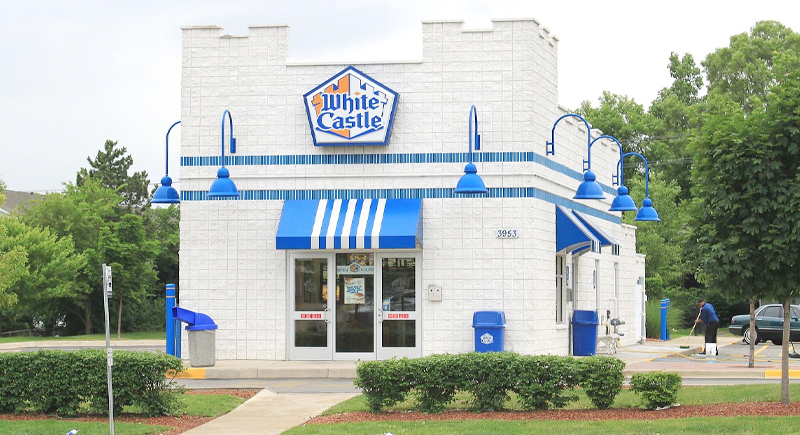
Image via Wikimedia Commons/Dwight Burdette
White Castle opened in 1921 in Wichita, Kansas, during a time when many people distrusted ground beef. Founders Billy Ingram and Walt Anderson leaned into cleanliness, with open kitchens and standardized cooking methods. They also introduced assembly-line production and popularized bulk-sold sliders.
Krystal
Krystal opened in 1932 in Chattanooga, Tennessee, during the Great Depression. Inspired by White Castle, it focused on small, affordable burgers and clean interiors that reassured customers. The approach helped it survive economic hardship, and the chain still operates across the Southeast with hundreds of locations.
KFC
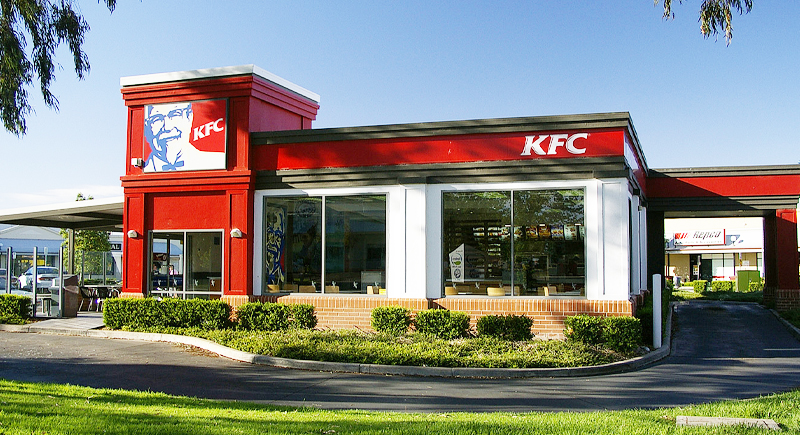
Image via Wikimedia Commons/Bidgee
Harland Sanders began serving fried chicken in 1930 at a roadside stop in Kentucky. By the early 1950s, he started franchising his recipe, often pitching it in person to restaurant owners. The first official franchise opened in Salt Lake City, and its 11 herbs and spices became the backbone of a global brand that still relies on that original formula.
Dairy Queen
Dairy Queen started in 1940 after John Fremont McCullough and his son developed a soft-serve formula that sold more than 1,600 servings on its first test day. The chain expanded quickly and kept building on that foundation, adding items like shakes in 1949 and Blizzards in 1985 while keeping its original soft serve at the center.
McDonald’s
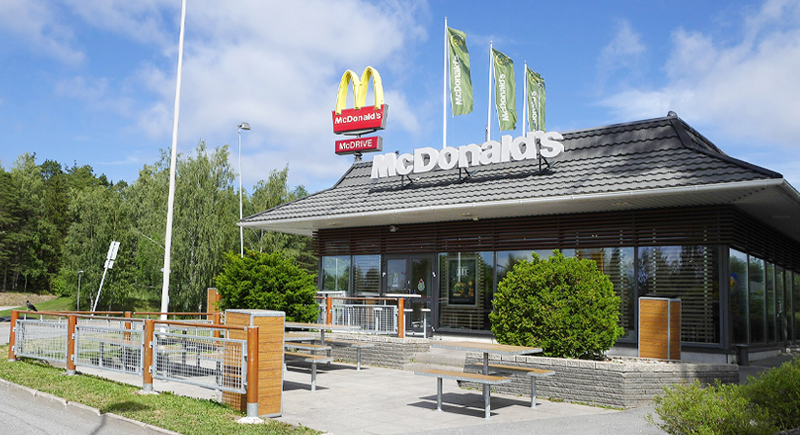
Image via Wikimedia Commons/Santeri Viinamäki
Richard and Mac McDonald opened their restaurant in 1940 in San Bernardino, California, but the real change came in 1948 with the Speedee Service System. It streamlined cooking into a repeatable process focused on burgers and fries. Ray Kroc later expanded the concept when he acquired the company in 1961.
In-N-Out
Harry and Esther Snyder opened In-N-Out Burger in 1948 in California, introducing one of the first drive-thru setups. The chain later added a two-way intercom system to speed up ordering. Instead of franchising, the company grew slowly while keeping tight control over quality and sticking to a simple menu that still defines the brand.
Burger King
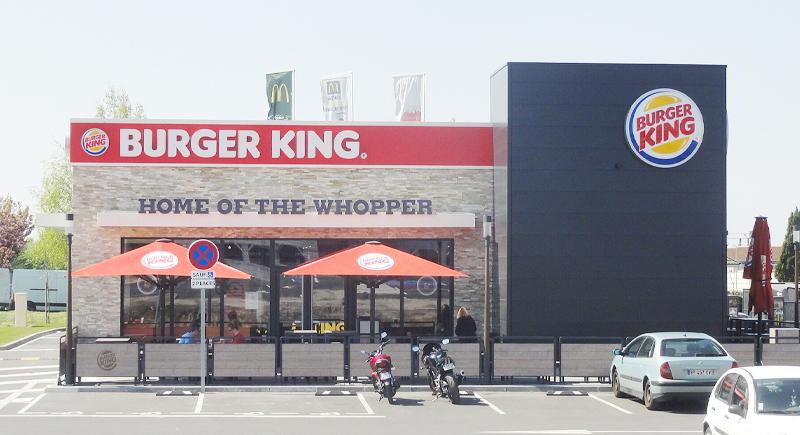
Image via Wikimedia Commons/Jérémy-Günther-Heinz Jähnick
Burger King launched in 1954 in Miami under the name Insta-Burger King. Founders James McLamore and David Edgerton introduced flame-broiling in 1957 to give their burgers a distinct taste. That single change helped the chain stand out in a crowded market and fueled its expansion into more than 100 countries.
Denny’s
Denny’s began in 1953 as Danny’s Donuts in California before expanding into a full diner. The shift to a broader menu and round-the-clock service made it a reliable stop for any hour of the day. By 1981, the chain had grown to more than 1,000 locations, and its focus on accessible, affordable meals continues to drive its appeal today.