The 10 Elegant Department Store Tea Room Lunches We All Miss
In the late 1800s, a woman could spend hours shopping downtown, but stepping into a restaurant alone still scandalized people, and that tension created an unusual workaround. By 1890, Chicago’s Marshall Field’s introduced a tea room after a clerk shared her chicken pot pie with a tired shopper. Within a few decades, stores across the country had turned lunch into part of the retail experience. The menus grew more ambitious, the rooms more elaborate, and the midday break became something people planned their day around.
Marshall Field’s (Chicago, 1890)
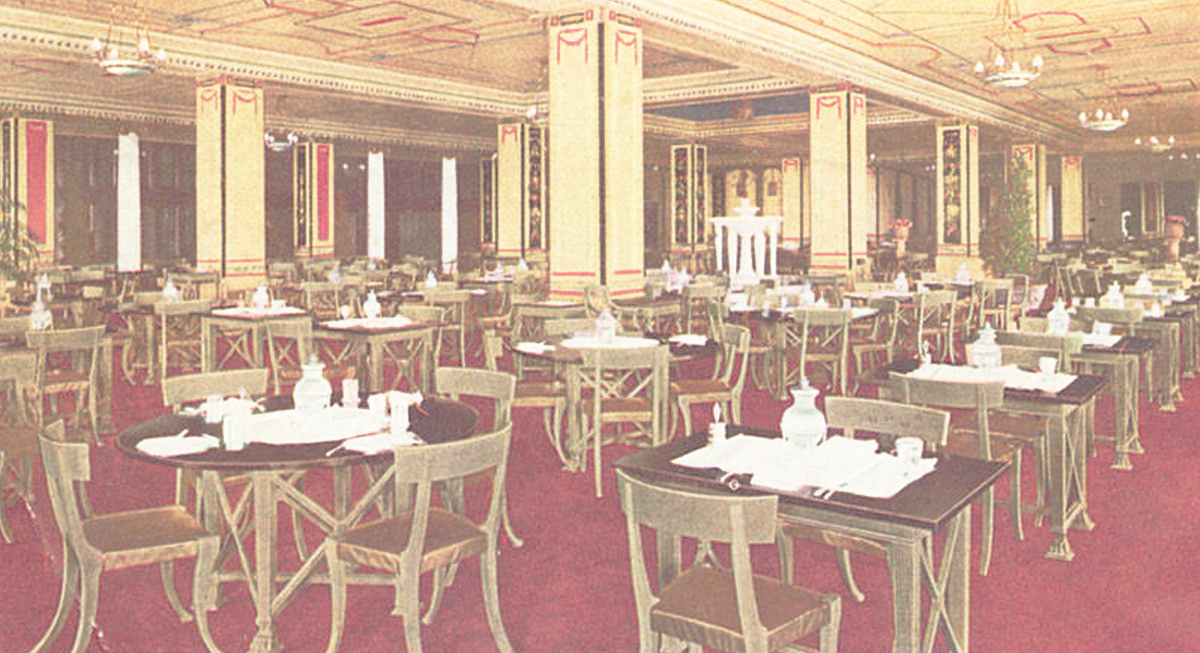
Image via Wikimedia Commons/Fæ
The dish that started it all never disappeared from the menu. Served on the store’s upper floors, the chicken pot pie became a defining favorite. It was hearty, familiar, and satisfying enough to make people linger, which was exactly the goal.
Wanamaker’s Crystal Tea Room (Philadelphia, 1911)
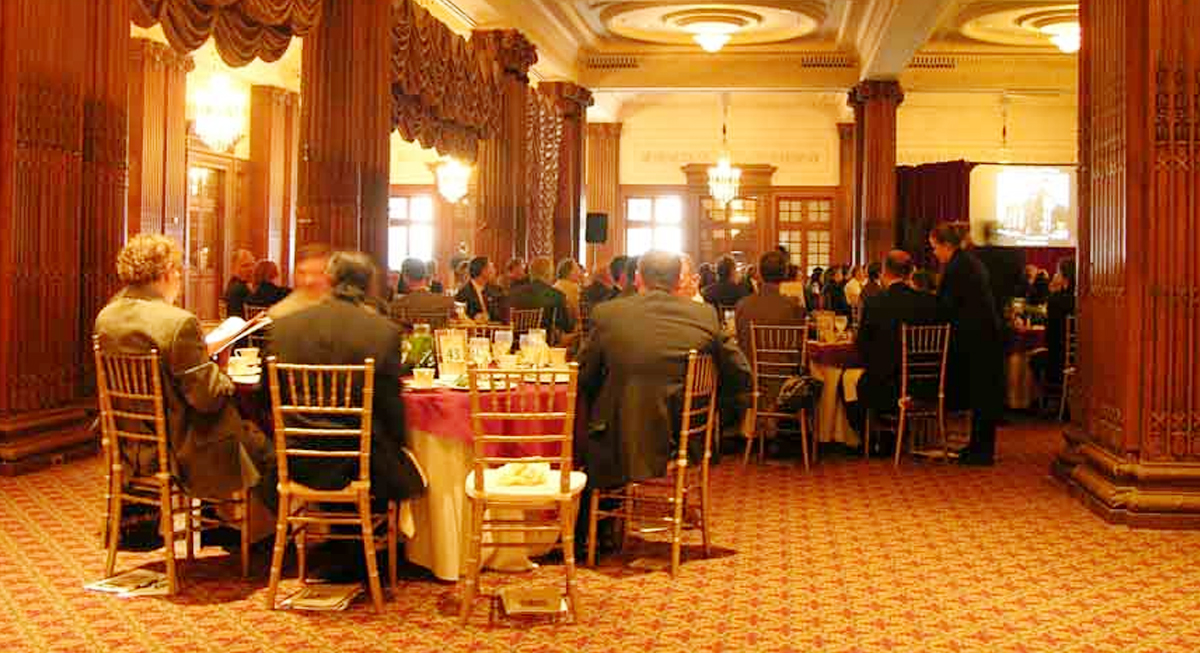
Image via Wikimedia Commons/Rbiswanger
Wanamaker’s described its tea room as a place for “rendezvous, recreation, and refreshment.” That meant trays of delicate sandwiches, sweet pies, and polished service. It gave women a place to sit, chat, and continue their day without leaving the store.
Scruggs Vandervoort Barney (St. Louis, 1907)
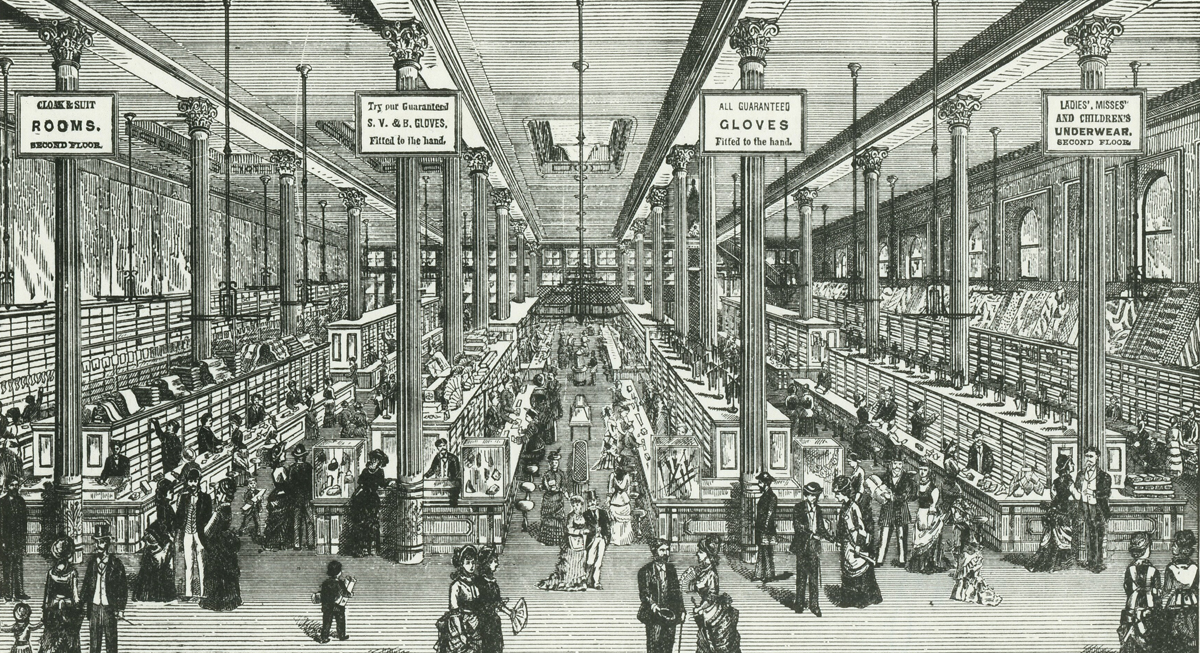
Image via Wikimedia Commons/Missouri Historical Society
The seventh-floor tea room at Scruggs Vandervoort Barney went all-in on presentation. Tomatoes filled with chicken salad and chilled fruit dishes reflected the era’s love for composed plates. Fashion shows during lunch in the 1930s made the meal part of the entertainment.
Stix, Baer & Fuller’s Garden Room (St. Louis, 1950s)
The salad at Stix, Baer & Fuller’s combined iceberg lettuce, turkey, Swiss cheese, bacon, and honey mustard dressing into a lunch that felt both substantial and easy to eat. It covered the basics people expected, while still tasting a bit more put-together than a standard department-store meal. It was paired with the “alligator roll,” a house specialty that added a touch of novelty.
Rich’s Magnolia Room (Atlanta, mid-20th century)
Chicken Amandine paired with frozen fruit salad stood out on the Magnolia Room menu. But the space became known for more than its food. In 1960, student-led sit-ins, supported by Martin Luther King Jr., challenged segregation in Atlanta’s department store restaurants. The Magnolia Room was part of that movement.
Lord & Taylor’s Bird Cage (New York, early 1900s)
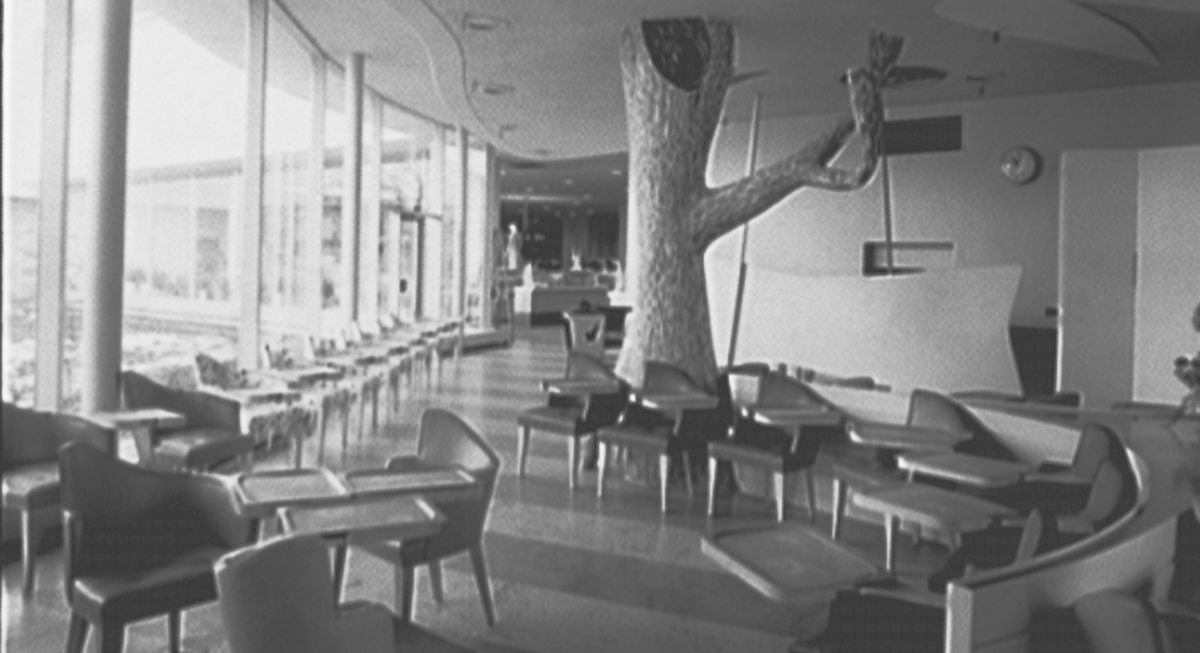
Image via Wikimedia Commons/Gottscho-Schleisner Collection
Afternoon tea ran between 3 and 6 p.m., complete with china service and small plates. The space at Lord & Taylor’s doubled as a meeting point where shoppers compared purchases and caught up on news.
Famous-Barr (St. Louis, on menus by 1942)
Listed as “Onion au Gratin,” the French Onion soup later became a signature dish associated with chefs like Erich Dahl and Manfred Zettl. Served bubbling with Gruyère over baguette slices, it showed how department stores built loyalty through specific dishes.
Marshall Field’s Walnut Room (Chicago, 1907 onward)
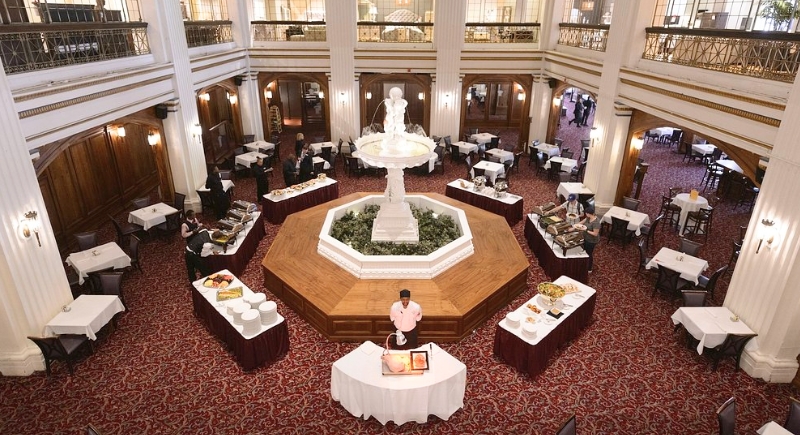
Image via Tripadvisor/TRIPADVISOR
The Walnut Room paired full meals, like chicken pot pie, with sweets made in-house. Frango Mints, described in a 1947 ad as a chocolate treat with a peppermint filling, became a lasting symbol of the store long after ownership changed.
Neiman Marcus Zodiac Room (Dallas, 1953)
Located inside Neiman Marcus, the Zodiac Room regularly hosted fashion presentations during lunch, during which models walked between tables to showcase new collections. This setup turned a simple meal into part of the shopping experience. The mandarin orange soufflé became its signature dessert.
Bullock’s Tea Room (Los Angeles, 1929 building, peak mid-20th century)
The coconut cream pie at this tea room earned a reputation that lasted decades after it closed in 1993. The filling took hours to prepare, and that effort showed. It gave diners a reason to return even when shopping was not the priority.