That Time Taiwanese People Changed Their Name to ‘Salmon’ for Free Sushi
In March 2021, a sushi promotion in Taiwan turned into one of the strangest viral moments in recent memory. Japanese chain Taiwan Sushiro announced that anyone whose name legally included the characters for “salmon” could eat unlimited sushi for free, and they could bring five guests along.
The rule inspired hundreds of people to rush to government offices and rename themselves after the fish.
How The Promotion Sparked a Rush
Taiwan Sushiro expected modest participation when it launched the offer. Instead, young people across the country paid the small $3 administrative fee to add “salmon” to their names. Lines formed at registration offices as clerks processed stacks of applications. Once the first name change receipts appeared on social media, momentum grew rapidly, and the rush gained national attention.
Creative Names Flooded Registration Offices
Participants didn’t settle for simple additions. Some registered extravagant names like “Salmon King,” and “Explosive Good Looking Salmon.” A student in Kaohsiung legally became “Ma Jeng Shiuan Bao Zheng Gui Yu,” which translates to “dancing salmon.”
Each variation captured more online attention, and the frenzy began to resemble a contest over who could create the boldest salmon-inspired identity.
Students Turned Sushi into a Business
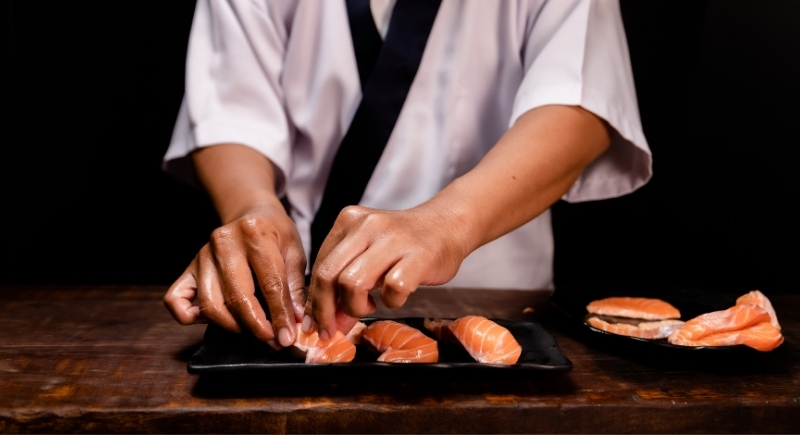
Image via Canva/anontae
Some participants turned the unusual promotion into a clever money-making scheme. A university student from China Medical University in Taichung changed his name to “Salmon Dream” and coordinated meals at Sushiro with strangers. He brought in around 30 people, each paying between US$9.50 and US$14.20 to dine under his salmon name. That allowed him to profit from something officially free.
Another student from Kaohsiung said he visited Sushiro about fifteen times during the promotion, then charged strangers about 30 percent of a standard meal price—he estimated earning up to US$2,000 overall.
The Legal Limit Became a Trap
Once all the fun and games were done and the promotion ended, most participants expected to switch back to their original names. Taiwanese law, however, only permits three lifetime name changes. Several people had already used that allowance before joining the event.
The attempt to enjoy two days of free food left dozens facing a lasting legal identity they hadn’t anticipated.
Lawmakers Debated the Aftermath

Image via Canva/freedomz
By 2022, the consequences of the promotion had reached Taiwan’s parliament. Legislators argued over whether the Names Ordinance should be amended. Some, like Chiu Hsien-chih of the New Power Party, suggested reforms that might prevent citizens from being trapped. On the other hand, there were people who opposed relaxing restrictions and said that the law encouraged personal responsibility.
Meanwhile, reactions among ordinary citizens showed little sympathy. On Taiwanese social media, commenters dismissed the parliament debate as a waste of time and criticized those who joined the craze. “Be responsible for your own life, Salmons,” one wrote.